Precision-engineered profiles built to withstand corrosive saline environments and high stress applications across the Caribbean.
A technical brief on navigating structural degradation, high-salinity marine environments, and geothermal stresses using premium stainless steel bar profiles.
Dominica, often called the "Nature Isle of the Caribbean," presents unique challenges to structural engineering and material selection. With its rugged volcanic topography, heavy annual rainfall, and extensive marine coastlines in cities like Roseau and Portsmouth, industrial applications demand materials that do not merely survive, but perform under long-term stress. The combination of high ambient humidity, salt spray, and localized volcanic geothermal activity means that standard structural steel is highly prone to rapid oxidation and catastrophic failure.
To counteract this, structural designers, marine builders, and utility operators across Dominica are turning to premium-grade stainless steel bars. Stainless steel’s inherent corrosion resistance is driven by its chromium content, which reacts with oxygen to form a self-healing passive chromium-rich oxide layer at the molecular level. When selecting bars for concrete reinforcement (rebar), coastal walkways, marine docks, and agro-processing equipment, finding a supplier that understands the chemistry of corrosion and structural longevity is key to reducing lifetime asset maintenance costs.
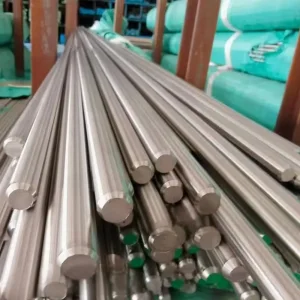
Marine structures in coastal Dominica require materials with a high Pitting Resistance Equivalent Number (PREN). Our Grade 316 and Duplex bars prevent localized structural pitting in maritime splash zones.
For Dominica’s emerging geothermal power installations, Grade 321 bars alloyed with titanium resist intergranular corrosion at temperatures up to 800°C.
Using austenitic stainless steel bars reduces structural lifecycle replacement cycles in public works from 15 years to over 60 years, lowering long-term capital expenditure.
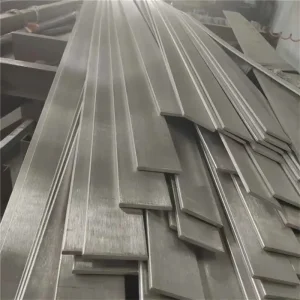
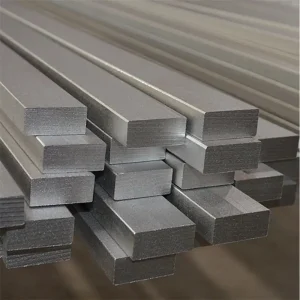
Technical Insight: Pitting and crevice corrosion are accelerated in warm tropical climates. In Dominica, where chloride concentration is compounded by constant high humidity, using standard carbon steel or poorly treated stainless imports leads to sub-surface rust expansion. This expansion causes concrete spalling in bridges and coastal retainment walls. Specifying ASTM A276 Grade 316 flat and round bars ensures mechanical stability by preserving the structural cross-sectional area over decades.
A global steel enterprise combining advanced Chinese metallurgical manufacturing with international compliance standards.
Established in 2014, OES Metal is a leading steel company specialized in producing high-performance stainless steel products. Our primary factory is located in Wuxi, Jiangsu, China—a global hub for advanced metallurgy and manufacturing. Spanning over 5,000 square meters, our facility houses state-of-the-art platform processing equipment, running daily operations for manufacturing, precision cutting, custom packaging, and surface finishing.
With more than 100 dedicated employees, including senior metallurgical engineers and strict quality control inspectors, we ensure every batch of stainless steel bars, sheets, coils, and pipes leaving our facility meets the most demanding criteria. OES Metal has successfully exported thousands of tons of high-grade steel to North America, South America, the Gulf countries, Africa, the CIS region, and Southeast Asia, establishing a solid footprint in over 59 countries and regions worldwide.
Our operation is characterized by strict compliance with over 12 international manufacturing standards, including ASTM, ASME, EN, JIS, and DIN. From initial material sourcing to final maritime dispatch, we prioritize transparency, traceability, and structural reliability.
How integrated raw material supply chains, advanced processing machines, and Wuxi’s industrial base optimize pricing and lead times for Caribbean importers.
Purchasing stainless steel bars directly from Wuxi, Jiangsu Province, offers structural cost benefits that cannot be replicated locally or through mid-tier brokers. The Wuxi region acts as the epicentre of high-grade alloy processing in China, integrating raw nickel and chromium sourcing with high-efficiency rolling mills. This density of supply chain elements eliminates transport delays for raw billets, allowing OES Metal to pass cost efficiencies directly to the buyer. Whether you require a single container of grade 304 round bars or multiple metric tons of grade 316 flat bars, our proximity to raw inputs keeps lead times predictable.
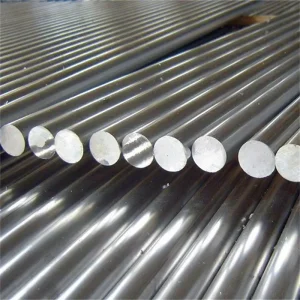
Standard merchant bars often suffer from uneven surface conditions, out-of-round tolerances, or internal structural micro-cracking caused by rapid cooling processes. At OES Metal, we employ modern cold-drawing, centerless grinding, and polishing platforms. This level of finish control is vital for Dominica's structural contractors who rely on exact dimensional tolerances for mechanical machining, thread cutting, or high-strength welding. Standard bright-drawn bars can be finished to h9, h11, or custom tolerances, ensuring seamless integration into machined components or concrete structural anchors.
Global architectural standards require detailed compliance reporting on material origin and carbon footprints. As energy transitions impact heavy industries, our production methodologies have evolved to include energy-efficient electric arc furnace (EAF) processing. We provide full chemical composition readouts for every batch, detailing exact percentages of Chromium, Nickel, Molybdenum, and Carbon. This level of documentation is critical for international bidding processes, engineering approvals, and quality control Audits on public works projects in Dominica.
How specialized stainless steel grades are used across Dominica's critical infrastructure, energy, and marine industries.
The harbors of Roseau and Portsmouth are continuously exposed to marine spray and high waves. Selecting ASTM A276 Grade 316 stainless steel flat bars for marine fittings, mooring anchors, and deck tie-downs prevents structural degradation from chloride ions. The inclusion of 2-3% molybdenum in 316 alloys prevents catastrophic failures associated with stress corrosion cracking (SCC) under continuous wave loads.
With Dominica actively developing its geothermal energy resources (such as the Wotten Waven geothermal project), equipment must endure high temperatures, acidic volcanic gases, and steam. Grade 321 stainless steel bars, stabilized with titanium, are resistant to carbide precipitation at temperatures up to 800°C. They are ideal for steam turbine components, heat exchangers, and structural supports exposed to volcanic emissions.
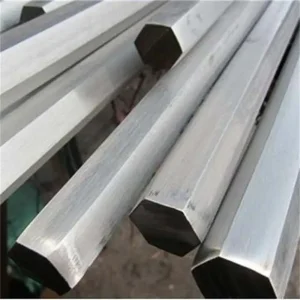
Dominica’s local agricultural processing, essential oil distillation, and rum manufacturing require hygienic, non-reactive surfaces. Grade 304 and 316 round bars are machined into agitation shafts, pump components, and valves. The inert nature of these alloys ensures that processing equipment does not leach metal ions into organic products, maintaining product purity and compliance with food safety regulations.
Dominica's signature eco-resorts built on steep hillsides rely on deep foundation piling and structural framing. Using high-strength, corrosion-resistant stainless steel structural rods ensures that these eco-lodges can withstand seismic events and tropical hurricanes without compromising their natural surroundings through chemical leaching from treated timber or rusted carbon steel.
Addressing technical, logistical, and metallurgical queries from procurement managers and structural engineers.
Grade 316 contains approximately 2% to 3% molybdenum, which dramatically increases its resistance to chloride pitting and crevice corrosion compared to Grade 304. In Dominica, coastal infrastructure is subject to constant wind-blown sea salts. Grade 304 can suffer from surface tea-staining and micro-pitting in these environments, whereas Grade 316 maintains its structural integrity and aesthetic appearance with minimal maintenance.
Every shipment of stainless steel bars is accompanied by a Mill Test Certificate (MTC) conforming to EN 10204 3.1. This certificate details the chemical composition (percentages of C, Mn, Si, P, S, Cr, Ni, Mo), mechanical properties (yield strength, tensile strength, elongation, hardness), and the specific heat number of the melt. Upon request, we also provide third-party testing reports (SGS, BV) and ultrasonic test (UT) certificates for internal flaw detection.
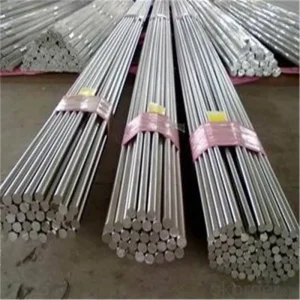
Transit across oceans exposes cargo to high-humidity salt air, which can cause surface oxidation even on stainless steel if not properly protected. We wrap our bars in waterproof woven plastic sheets, secure them with steel bands, and pack them in reinforced wooden crates or steel frames. Anti-humidity desiccant bags are placed inside the wrapping to absorb residual moisture, ensuring the bars arrive in pristine condition at ports like Roseau.
Yes, we offer custom processing. Our Wuxi factory is equipped with advanced band saws, centerless grinders, and cold-drawing machinery. We can cut bars to specific lengths (e.g., fixed 5.8m lengths for easy container loading, or exact project-specified lengths) and process them to tight tolerance ranges down to h9 or h11. We also offer surface polishing to mirror, hairline, or satin finishes based on architectural requirements.
Production time at our factory typically ranges from 15 to 25 days depending on the size and complexity of the order. Transit time from Wuxi (via Shanghai Port) to Caribbean ports like Roseau generally takes between 35 to 45 days. We coordinate closely with global shipping lines to optimize routes, minimize transit times, and provide tracking updates to our clients throughout the shipment process.
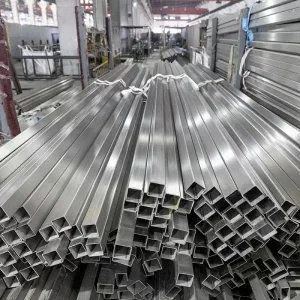
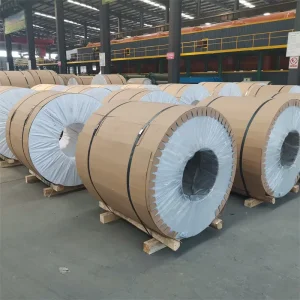
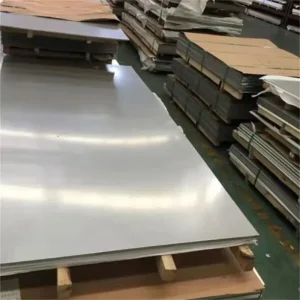
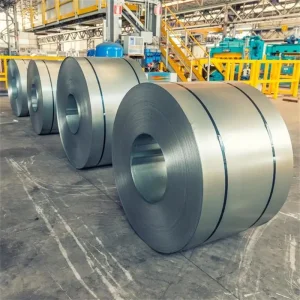
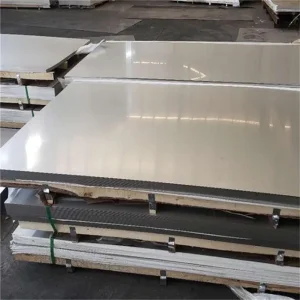
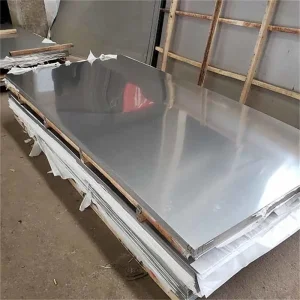
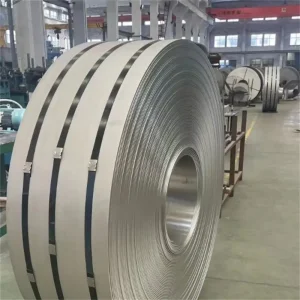
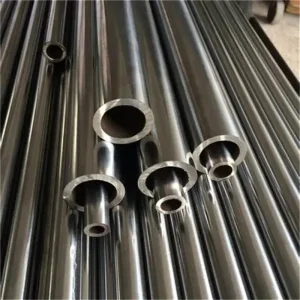
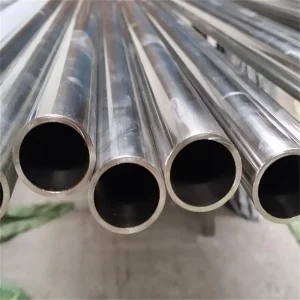
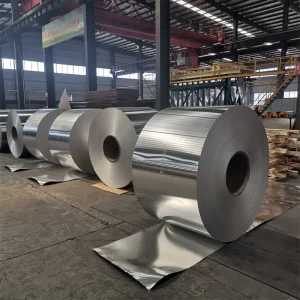
A comprehensive selection of profiles, sheets, coils, and tubing engineered to international standards for diversifed applications.
Complementary items from our catalog designed for high precision applications.
Optimize your project timelines, reduce raw material costs, and ensure absolute compliance with ASTM/ASME standards. Contact our engineering team today to receive a tailored quotation for Dominica and regional Caribbean deliveries.
Send Inquiry Now Oes Steel