An industrial buyer’s guide to 304, 316, 321, duplex and cut-to-length stainless steel bar supply for Novosibirsk — combining local application insight, global material traceability, compliance assurance and practical procurement logic.
The first product row preserves the original OES Metal catalogue links while localizing the selection logic for Novosibirsk distributors, fabricators, OEMs and maintenance teams. The focus is on bar forms that translate directly into shafts, fasteners, machined parts, structural fittings, process equipment and repair components.
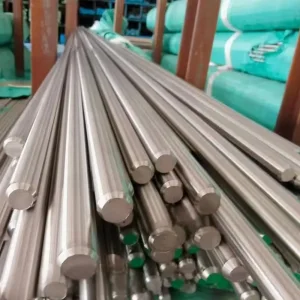
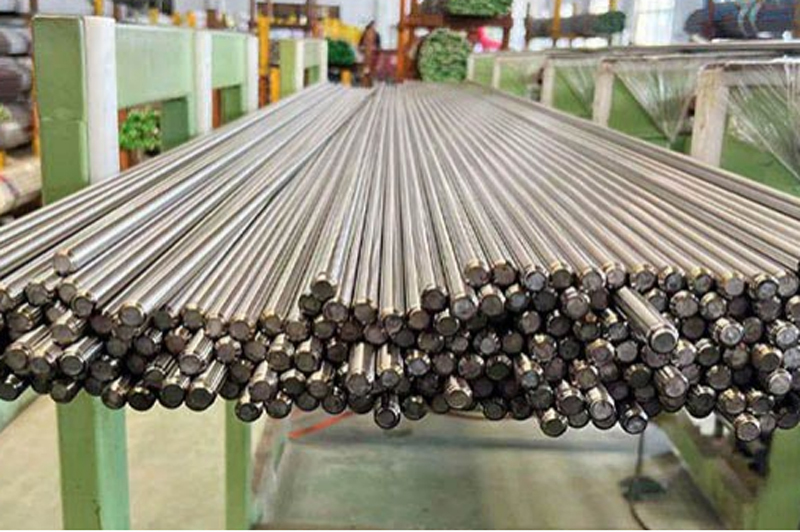
For shafts, bolts, pins, food-processing machinery, hydraulic repair parts and general corrosion-resistant turning work in Novosibirsk’s machine-building and maintenance sectors.
View Round Bars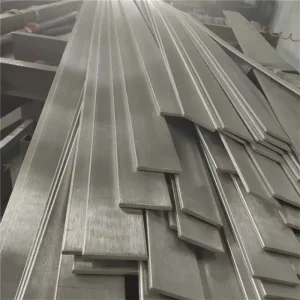
For frames, brackets, support structures, process skids and fabricated components exposed to moisture, chlorides and mixed industrial atmospheres.
View Flat Bars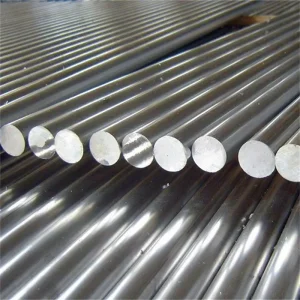
For high-temperature fixtures, exhaust-adjacent parts, thermal processing equipment and precision components where dimensional stability matters.
View 321 Bars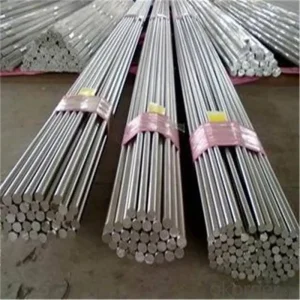
A broad commercial grade for Novosibirsk workshops that need repeatable machining, welding and corrosion performance with clear documentation.
View Grade 304For procurement teams entering Novosibirsk, the search for a stainless steel bar manufacturer and factory in Novosibirsk is usually a proxy for a larger requirement: a reliable route from certified bar stock to fabrication, maintenance and project delivery in one of Siberia’s most important industrial economies. Novosibirsk is not simply a destination city; it is a research, engineering, rail, power and manufacturing hub. Its buyers compare material certificates, dimensional consistency, surface quality, packaging resilience and delivery windows with the same discipline they apply to machine tools and process equipment.
OES Metal approaches Novosibirsk as an export-market partner. Our production base is located in Wuxi, Jiangsu, with more than 100 employees and a 5000 square meter factory, capable of running platform processing equipment every day for manufacturing, cutting, packaging and other work. From this base we serve distributors, fabricators, OEMs and maintenance teams that require stainless steel bars in 304, 316, 321 and related grades, with documentation and packing designed for long-distance rail and road transport.
The information gain in this guide is practical rather than promotional. We separate Novosibirsk-specific demand drivers, global supply chain realities, compliance expectations, application fit and technical selection criteria. We also explain how to avoid common failure modes — such as specifying 304 in a chloride-rich roadside or food-plant washdown environment, or accepting mill certificates without heat-number traceability. The goal is to help technical buyers make defensible decisions, not merely compare a price per kilogram.
For a Novosibirsk buyer, the commercial question is often framed as “Who can supply stainless steel bars near me?” The operational question is better framed as “Who can supply the right grade, with the right certificate, cut and packed for Siberian handling, and support the next repeat order?” That shift from local proximity to supply-chain reliability is where total cost, schedule confidence and project risk are actually determined.
OES Metal, established in 2014, is a famous professional steel company specialized in producing. Our factory is located in Wuxi, Jiangsu, with more than 100 employees and a 5000 square meter factory, capable of running platform processing equipment every day for manufacturing, cutting, packaging, and other work.
You will be impressed by our superior quality control services in technology, packaging, and delivery. Oes Steel has exported thousands of tons of high-quality STEEL to North America, South America, Gulf countries, Africa, CIS, and Southeast Asia. The products have been exported to more than 50 countries and regions.
For Novosibirsk projects, that export experience matters in tangible ways. It influences how we review drawings, how we match standards, how we protect bar surfaces during packing, and how we prepare documents that allow the buyer’s inspection team to verify heat numbers, dimensions and surface condition on arrival. Our role is to reduce the uncertainty between a purchase order and a fabrication team’s production schedule.
Original capability figures are preserved below. For Novosibirsk buyers, these figures are most useful when read as indicators of production rhythm, export familiarity and documentation maturity.
Novosibirsk combines a large urban market with a wider Siberian industrial catchment. Stainless steel bars are not a generic commodity here; they become part of equipment uptime, process safety, food hygiene, energy maintenance and transport infrastructure.
Novosibirsk is one of Russia’s largest scientific, educational, transport and industrial centres. Its economy includes machine building, power engineering, chemical and food processing, construction, logistics, instrument making and research-linked manufacturing. The city’s position on the Trans-Siberian Railway and the Ob River strengthens its role as a gateway for materials moving into and across Siberia. For stainless steel bar suppliers, that geography creates both opportunity and responsibility: materials must survive long transport routes, seasonal temperature swings, condensation risk and handling conditions that can challenge packaging if it is not designed for the journey.
Local industrial buyers often require more than a grade name. They need dimensional consistency for automated machining, surface condition suitable for sealing or finishing, certificate traceability for quality systems, and a supplier who understands why a bar ordered for a Novosibirsk maintenance window cannot be replaced easily once fabrication has begun. In winter conditions, postponed deliveries are not simply inconvenient; they can interrupt planned shutdowns, repair schedules and production commitments.
Novosibirsk’s engineering base uses stainless round bars for shafts, pins, fasteners, valve parts and hydraulic repair components. Machinability, straightness and surface quality directly influence cycle time and rework.
District energy, electrical equipment and industrial utilities require heat-resistant and corrosion-resistant materials for brackets, fixtures, supports and repair parts. Grade 321 is often considered where thermal exposure is part of the duty cycle.
Hygienic fabrication and chemical exposure put a premium on 304/304L and 316/316L selection, weldability and clean surface condition. Documentation supports audits and internal quality systems.
Road salts, snow-melt chlorides and repeated freeze-thaw cycles make 316-grade flat, square and round bar attractive for exposed metalwork, barriers, fittings and repair anchors.
Scientific instrument making and laboratory infrastructure often call for clean, dimensionally stable stainless bars for frames, vacuum-adjacent components, fixtures and precision assemblies.
Siberian service companies demand dependable material identification, packing and delivery coordination for parts used in harsh, remote or maintenance-critical environments.
Globally, stainless steel bar demand is shaped by alloy surcharges, nickel and molybdenum price cycles, energy costs, freight availability, inventory policy and the pace of industrial investment. Buyers in Novosibirsk feel these forces through quotation validity, lead times and the availability of exact grades. A supplier who can explain the difference between 304 and 316L, or between bright drawn and peeled bar, adds more value than a supplier who simply lists stock sizes.
Another global trend is the tightening of traceability expectations. Even where a purchase order does not explicitly demand full material genealogy, quality-conscious buyers increasingly expect heat-number correlation, mill certificates, inspection records and packaging that protects identification marks. This is especially important when a single shipment contains multiple bar diameters, grades or surface conditions. Without clear labeling, the receiving team must spend time re-identifying material before it reaches production.
The most cost-effective global sourcing strategies do not treat price as an isolated variable. They compare material compliance, processing yield, packing quality and schedule reliability. A lower bar price can be erased by excess machining allowance, surface defects, replacement shipments or production downtime. For Novosibirsk buyers, the strongest procurement approach is usually to lock the specification and documentation requirements before negotiating the commercial price, then compare suppliers on total landed value.
For a factory or distributor in Novosibirsk, a resilient supply chain includes an approved alternates matrix. For example, 304L may be acceptable where 304 is specified for welded fabrication; 316L may be preferred over 316 for welded process equipment; and 321 may be considered where stabilization against intergranular corrosion at elevated temperature is important. These decisions should be documented, not improvised at the last minute.
OES Metal supports this discipline by aligning product links, certificate review and order processing around the actual application. The objective is to make the global supply chain feel predictable to the Novosibirsk buyer who must commit to a fabrication schedule.
Stainless steel bars create value when they are matched to the environment, fabrication method and maintenance strategy. The following solution areas translate catalogue products into industrial outcomes.
316/316L round, flat and square bars support frames, agitators, brackets, valve components and process skids exposed to moisture, cleaning chemicals or mildly chloride-bearing environments. Documentation and weldability are usually as important as the grade itself.
Siberian service conditions make it essential to discuss impact toughness, stress concentrations and condensation. For non-cryogenic but cold-climate applications, correct grade selection, clean surfaces and appropriate packing reduce the risk of premature surface damage.
Food processing, cold-chain logistics and laboratory facilities benefit from 304 and 316 bars with consistent dimensions and clean surfaces. Smooth radius corners, controlled surface finish and easy-clean geometry matter in fabricated assemblies.
321 stainless bars are often considered for high-temperature fixtures, supports and exhaust-adjacent parts. Procurement should specify the operating temperature range and whether welding, forming or post-weld cleaning will be used.
Novosibirsk’s road salts, snow-melt chlorides and freeze-thaw cycles can attack less resistant grades in exposed metalwork. 316 flat and square bars are often more appropriate for architectural fittings, barriers and repair anchors near de-icing exposure.
Bright drawn and peeled bars help machine shops control straightness, diameter tolerance and surface finish. For maintenance teams, the ability to receive cut-to-length material can shorten downtime and reduce waste.
This matrix is a practical starting point for inquiry review. Final grade selection should consider design code, welding procedure, surface finish, operating temperature, chloride exposure, cleaning regime and required certificate package.
| Grade | Corrosion and temperature profile | Machinability and weldability | Typical Novosibirsk application | Procurement note |
|---|---|---|---|---|
| 304 / 304L | Good general corrosion resistance in many indoor and mildly exposed conditions; not ideal for chloride-rich environments. | Excellent formability and weldability; widely machined. | General fabrication, food equipment, frames, covers, repair parts and non-marine fixtures. | Specify whether 304 or 304L is required for welded assemblies; confirm surface finish. |
| 316 / 316L | Improved resistance to chlorides and chemical exposure compared with 304; common for process and outdoor infrastructure. | Good weldability and machinability; low-carbon 316L preferred for many welded joints. | Process skids, food and chemical equipment, road-salt-adjacent fittings and coastal-equivalent exposure. | Consider 316L where welding and corrosion resistance are both critical. |
| 321 | Stabilized grade for elevated-temperature service; useful where thermal cycling can affect unstabilized grades. | Weldable; machining behavior depends on condition and finish. | High-temperature supports, exhaust-adjacent components, heat-treatment fixtures and utility repairs. | State operating temperature and welding details during inquiry review. |
| 2205 Duplex | High strength and improved chloride resistance; suitable for demanding industrial environments. | Requires controlled welding and fabrication discipline. | Demanding process equipment, structural components and higher-strength applications. | Confirm welding procedure and whether matching consumables are needed. |
| 2507 Super Duplex | Very high strength and corrosion resistance for severe service. | Specialized fabrication and welding controls required. | Severe chemical, high-chloride or high-load components where standard austenitic grades are marginal. | Use only with a clearly defined service environment and fabrication plan. |
Compliance is not a single certificate; it is a chain of evidence. For Novosibirsk buyers, the most useful supplier is one that can connect the purchase order, material grade, mill documentation, processing record and packing list into a package that the receiving team can audit efficiently.
Mill test certificates, dimensional reports, packing lists and commercial documents can be coordinated against the order’s stated standards, including common ASTM and EN references where applicable.
Heat-number marking, label control and optional third-party inspection can be discussed during order review. The objective is to reduce ambiguity at goods receipt.
For mixed orders, cutting and packaging can be planned around the fabrication sequence. This helps Novosibirsk workshops reduce handling, storage space and offcut waste.
Bars require edge protection, moisture awareness and stable bundling. Packing can be discussed according to size, surface finish and transport mode.
Inquiry review can address grade alternatives, tolerances, surface condition, welding considerations and documentation expectations before quotation finalization.
Shipping marks, weights, dimensions and document consistency are reviewed to support rail, road or multimodal transport planning to the Novosibirsk region.
The following scenarios are written for semantic clarity and procurement relevance. They are not project claims; they illustrate how stainless bar selection can be localized to Novosibirsk’s industrial and urban environment.
304 and 316 round bars for pins, shafts, bushings and custom fasteners where corrosion resistance and machinability are balanced.
Clean 316/316L bars for frames, fixtures and precision assemblies linked to Novosibirsk’s research and instrument-making ecosystem.
321 and 316 bars for brackets, supports and repair components exposed to heat, condensation and seasonal thermal cycling.
304/304L and 316/316L bars for hygienic frames, conveyors, washdown-adjacent parts and food-processing equipment repairs.
316 square, flat and round bars for exposed fittings where snow-melt chlorides and freeze-thaw cycles increase corrosion risk.
316L and duplex options for process frames, supports and components requiring improved chemical resistance and documentation.
Stainless bars for repair fixtures, loading equipment, brackets and maintenance parts where durability and traceability matter.
Higher-strength and corrosion-resistant bars for service equipment, structural supports and replacement parts in demanding conditions.
Quality • Packing • Delivery
A clear route from inquiry to dispatch reduces the hidden costs of re-identification, rework and delay. This process is designed for export orders and can be adapted to Novosibirsk project schedules.
Clarify grade, form, size, tolerance, surface finish, quantity, cutting requirement and destination.
Match the application to ASTM, EN or customer-specified requirements, including certificate expectations.
Review mill documentation, heat numbers, dimensional requirements and any requested inspection points.
Plan cutting, edge condition, bundling and packing around the fabrication sequence and transport method.
Check labels, dimensions, surface protection and export packing before shipment release.
Prepare packing lists, certificates and shipping marks for coordinated movement toward Novosibirsk.
The future of stainless steel bar supply for Novosibirsk will be shaped less by catalogue size and more by traceability, application engineering and logistics predictability. The roadmap below presents principles, not unverified promises.
Digital correlation of heat numbers, certificates, packing lists and shipment records can shorten incoming inspection and reduce material mix-ups. For multi-grade orders, clear label architecture is a competitive advantage.
As Siberian buyers focus on service life, suppliers will need to support better conversation around impact toughness, condensation management, surface protection and chloride exposure rather than only grade names.
Automated sawing, controlled edge preparation and optimized nesting can improve yield for cut-to-length bar programs. This is especially valuable where fabrication schedules are tight and storage space is limited.
Semantic matching of application requirements to grade, standard, finish and documentation can reduce quotation cycles. Human review remains essential for welding, pressure and safety-critical applications.
Better visibility of stock dimensions, processing capacity and lead-time drivers helps Novosibirsk distributors plan replenishment without overstocking slow-moving sizes.
Packing reuse, load optimization and route planning will increasingly influence total cost. Durable export packing is not waste when it prevents damage and rework.
OES Metal ensures that you receive the highest quality products and services from start to finish, not only in production, but also in material, weight, size, and surface.
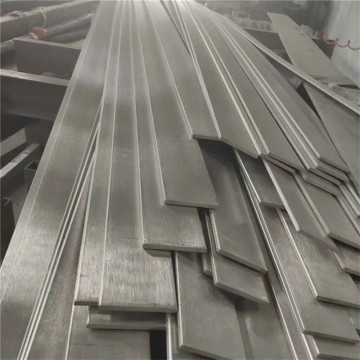
Original best-seller product retained for Novosibirsk fabrication and corrosion-resistant structural use.
View Product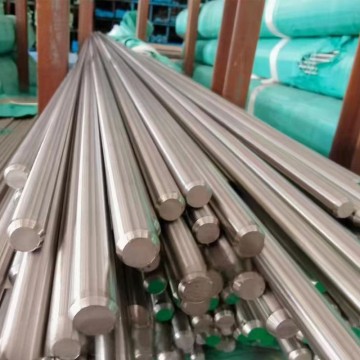
Original best-seller round bar product for machining, shafts and maintenance applications.
View Product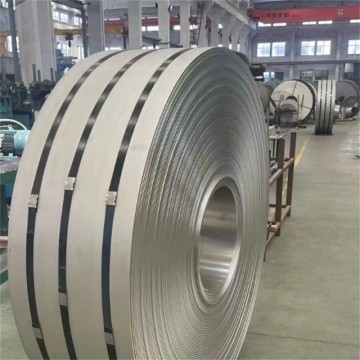
Original best-seller strip product retained for precision, coil-fed and dimensional applications.
Request Specification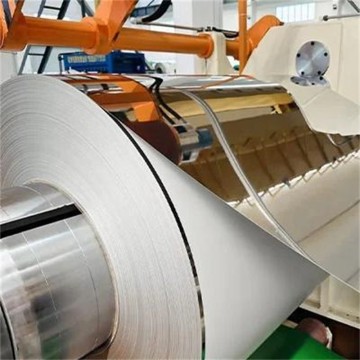
Original best-seller mirror finish slitting coil retained for visible and decorative applications.
View Product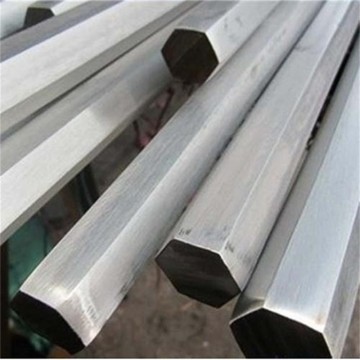
Original best-seller hexagon bar product for fasteners, fittings and machined parts.
View Product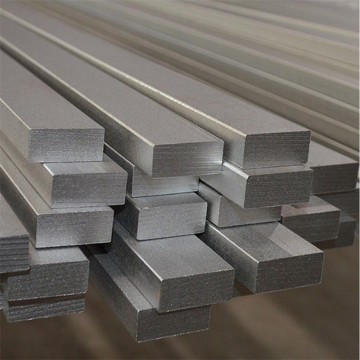
Original best-seller square rod product for frames, supports, fittings and architectural metalwork.
View Product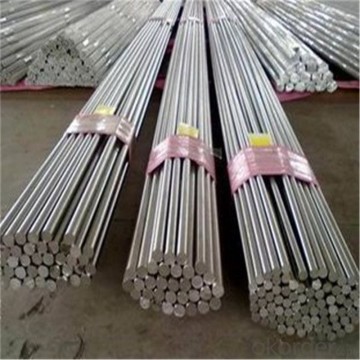
Original best-seller ASTM A276 Grade 304 product for general bar stock requirements.
View Product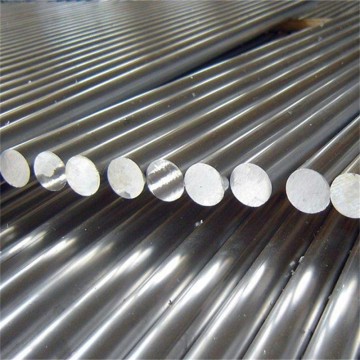
Original best-seller 321 bright drawn product for high-temperature and precision applications.
View ProductThe original product series is preserved and reorganized for semantic navigation. Product names, images and descriptions remain visible so that Novosibirsk buyers can compare pipe, sheet, coil and bar options in one place.
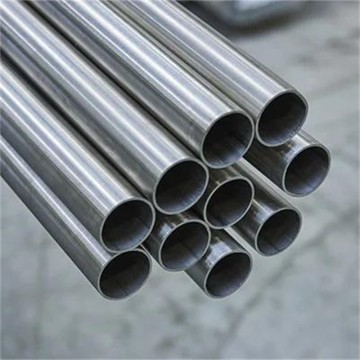
OES Metal’s 321 Stainless Steel Tubing is a premium solution for industries that demand durability, high-temperature resistance, and corrosion protection. With exceptional mechanical properties and a long service life, 321 tubing is a reliable choice for demanding environments.
View Product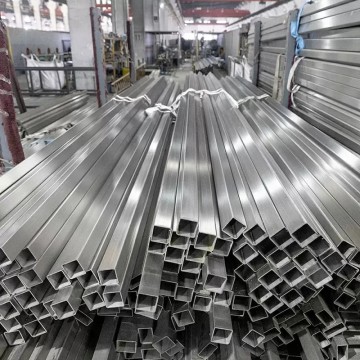
OES Metal’s Stainless Steel Square Pipe combines durability, aesthetics, and functionality, making it suitable for a wide range of applications. Contact OES Metal today for customized stainless steel square pipe solutions tailored to your specific requirements.
Request Specification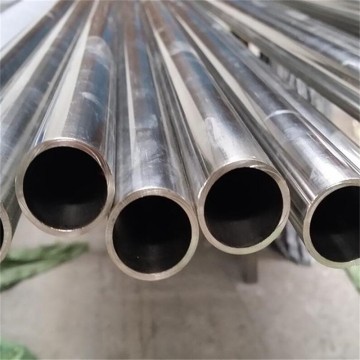
OES Steel supplies bright annealed stainless steel tubes with a flawless mirror-like finish, perfect for industries demanding both aesthetic appeal and functional durability. Our tubes undergo strict annealing and polishing processes to ensure superior performance in harsh environments.
Request Specification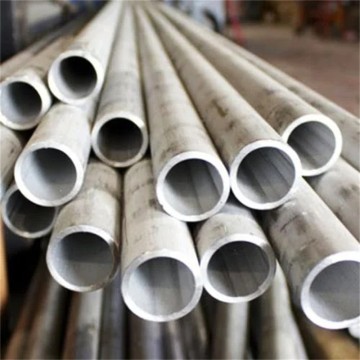
OES Metal offers a wide range of ASTM A312 Stainless Steel Pipes, designed for high-pressure and corrosive environments. These pipes are manufactured to meet the rigorous standards of ASTM A312, ensuring exceptional quality, durability, and performance.
View Product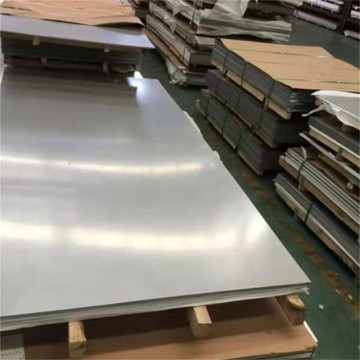
Original product retained for high-temperature and general fabrication requirements where hot rolled stainless sheet is specified.
View Product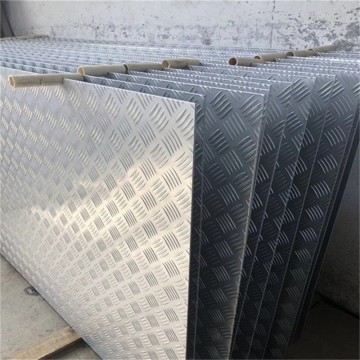
Original product retained for anti-slip, floor, platform and architectural applications. Confirm pattern, thickness and finish during inquiry review.
Request Specification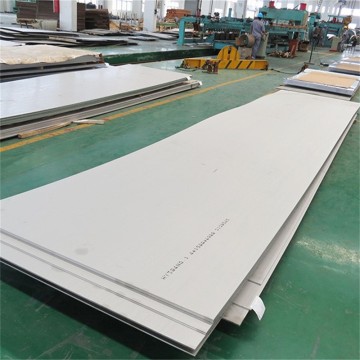
Original product retained for severe-service applications requiring high strength and improved corrosion resistance.
Request Specification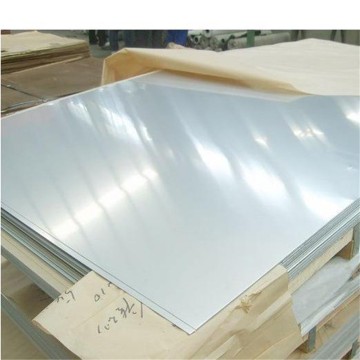
Original product retained for chloride-bearing and high-strength applications where duplex stainless steel is appropriate.
Request Specification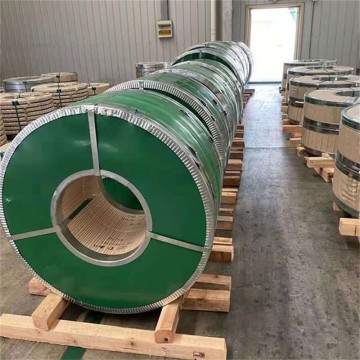
Original product retained for cold rolled processing, forming and high-temperature-related coil applications.
Request SpecificationOriginal precision strip product retained for applications requiring consistent thickness and clean surface condition.
Request SpecificationOriginal mirror finish slitting coil product retained for visible, decorative and fabrication applications.
View Product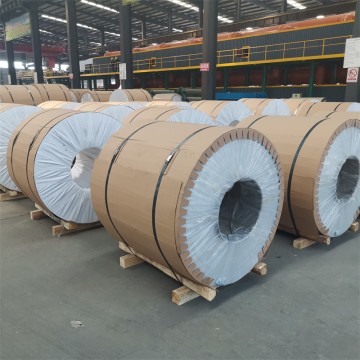
Original hot rolled coil product retained for heavier processing and downstream fabrication requirements.
View ProductOriginal bright drawn bar product retained for precision, high-temperature and machining-oriented applications.
View ProductOriginal hexagon bar product retained for fasteners, fittings, valves and machined components.
View ProductOriginal square rod bar product retained for frames, supports, architectural fittings and general fabrication.
View ProductOriginal ASTM A276 Grade 304 bar product retained for general engineering, fabrication and machining supply.
View ProductThe original catalogue links from the supplied product list are preserved below for procurement navigation, semantic traceability and quick comparison.
Precision Manufacturing • Pursuing Excellent
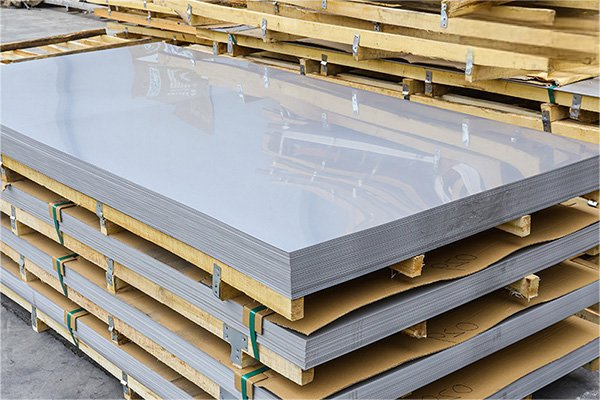
Are you looking for a durable, corrosion-resistant stainless steel sheet that won’t fail in demanding environ...
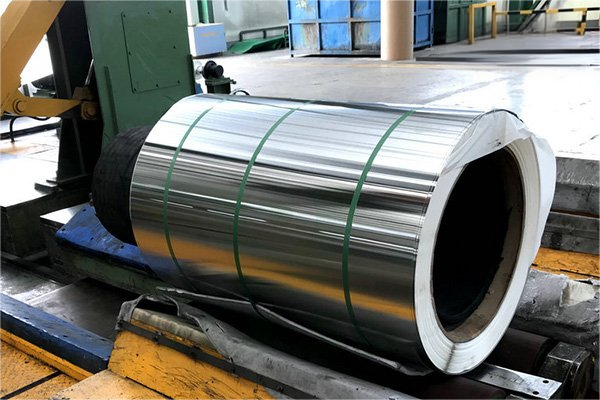
Ever wonder why some stainless steel lasts forever while others rust? The secret often lies in whether it’s 3...
Among various types of stainless steel, 309 stainless steel and 304 stainless steel are two common austenitic stainle...
These answers address common procurement, technical and logistics questions from distributors, factories and project buyers comparing stainless steel bar suppliers for Novosibirsk.
This lower gallery preserves eight original product URLs from the supplied catalogue. It is arranged as two complete desktop rows to avoid orphaned cards and to make comparison efficient for Novosibirsk buyers reviewing bar, coil, sheet and pipe options.
Send Inquiry Now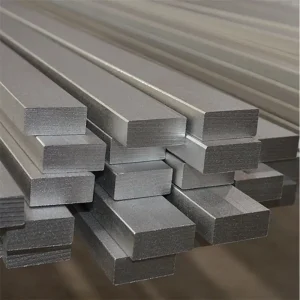
Square rod bar for Novosibirsk frames, supports, fittings, repair work and architectural metalwork.
View Product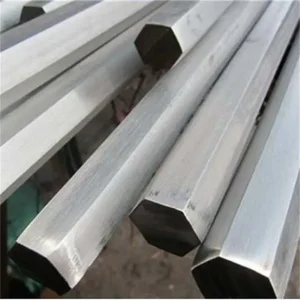
Hexagon bars for fasteners, fittings and machined components supplied with export documentation support.
View Product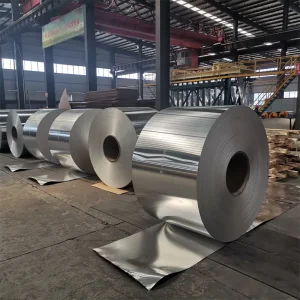
316/316L cold rolled coil for downstream processing and fabrication where improved corrosion resistance is needed.
View Product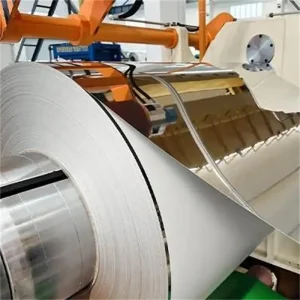
Mirror finish slitting coil for visible, decorative and precision fabrication applications.
View Product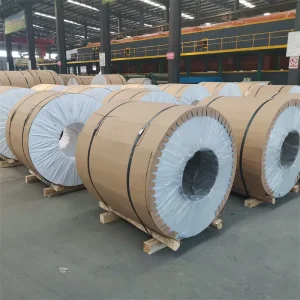
Hot rolled stainless steel coil for heavier processing, fabrication and industrial supply programs.
View Product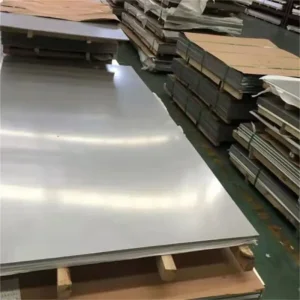
321 hot rolled sheet for high-temperature and fabrication requirements where stabilized stainless is specified.
View Product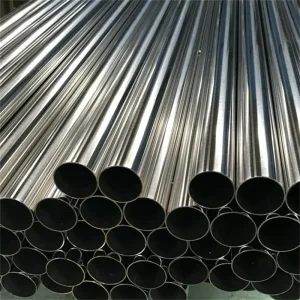
304 seamless pipe for process, utility and fabrication requirements where a seamless product form is preferred.
View Product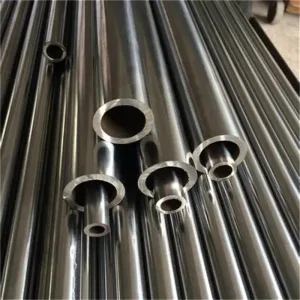
316L ASTM A312 pipe for corrosive and high-integrity service where low-carbon stainless is required.
View Product Oes Steel