Explore our foundational structural profiles, engineered to meet international ASME, ASTM, EN, and GB specifications.
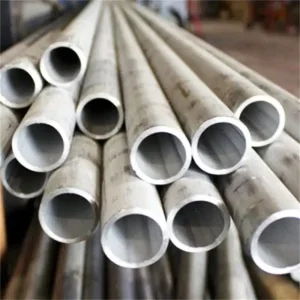
Industrial grade seamless and welded tubing built for high-temperature and highly corrosive media piping networks.
Explore Specifications →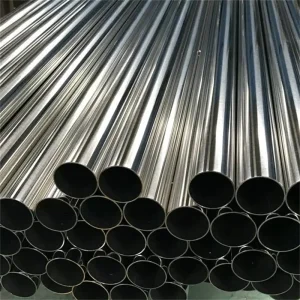
High-tensile seamless structural pipe offering reliable corrosion resistance for architectural and mechanical tasks.
Explore Specifications →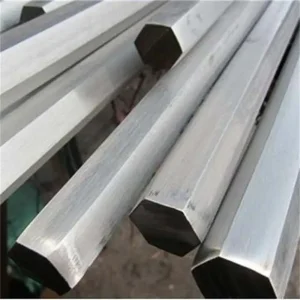
Precisely calibrated hot-rolled and cold-drawn hexagon bars optimized for heavy-duty fasteners and machine tools.
Explore Specifications →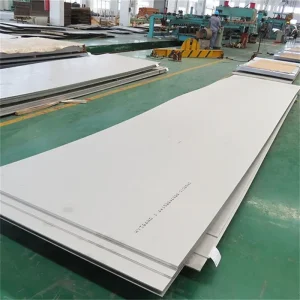
Super-duplex sheets delivering superior yield strength and pitting resistance under seawater conditions.
Explore Specifications →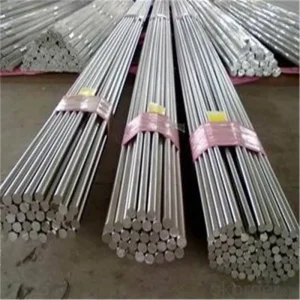
Hot-finished or cold-finished structural steel bars designed for structural reinforcement and machining projects.
Explore Specifications →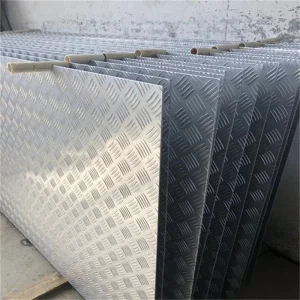
Durable tread pattern surfaces perfect for industrial floor walks, stairs, and transport vehicle flatbeds.
Explore Specifications →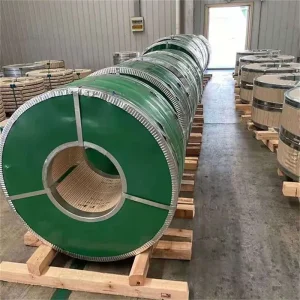
Titanium-stabilized coil offering excellent strength retention and intergranular corrosion resistance at high heat.
Explore Specifications →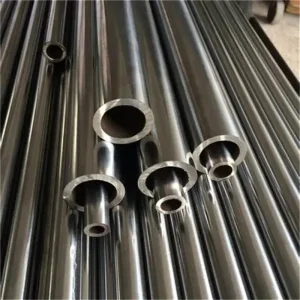
Ultra-low carbon molybdenum-alloyed piping for petrochemical systems and pharmaceutical processes.
Explore Specifications →A comprehensive engineering brief on metallurgy, procurement demands, and manufacturing innovation.
The global industrial landscape relies heavily on grade 316L (UNS S31603) due to its specialized chemical makeup. By limiting carbon content to a maximum of 0.03%, 316L avoids sensitization—the precipitation of chromium carbides at grain boundaries during welding or high-temperature processes. This chemical property eliminates the danger of intergranular stress corrosion cracking, securing the structural integrity of large industrial structures.
Molybdenum addition (2.0% - 3.0%) distinguishes 316L from standard 304 grade. This inclusion enhances resistance to pitting and crevice corrosion in chloride-rich environments, such as marine structures, offshore oil rigs, and chemical storage vats.
Modern procurement professionals face volatile pricing and complex logistics. When sourcing 316L stainless plate, industrial buyers prioritize material traceabilty, precise gauge control, and verified surface finishes (ranging from No. 1 hot-rolled to highly polished BA or mirror finishes).
To address international compliance, manufacturers must supply dual-certified materials that satisfy both ASTM A240 and ASME SA240 specifications. This verification ensures that structural components can withstand high-pressure vessel operations and harsh environmental stresses without risk of sudden mechanical failure.
"The critical variable in modern metallurgical sourcing is the reduction of variance. Standardizing on raw materials with consistent chemical composition ensures predictable cutting, bending, and welding cycles in highly automated manufacturing lines."
For engineers selecting materials for marine or chemical processes, the PREN is the primary indicator of alloy performance. Calculated using the formula PREN = %Cr + 3.3(%Mo) + 16(%N), this metric determines the metal's threshold against localized halide attacks.
| Alloy Grade | Chromium (Cr) % | Molybdenum (Mo) % | Nickel (Ni) % | Typical PREN Value | Optimal Operating Environments |
|---|---|---|---|---|---|
| 304 / 304L | 18.0 - 20.0 | - | 8.0 - 10.5 | 18.0 - 20.0 | Mild fresh water, atmospheric architecture, food preparation |
| 316 / 316L | 16.0 - 18.0 | 2.0 - 3.0 | 10.0 - 14.0 | 23.0 - 25.0 | Coastal structures, moderate chemical vessels, marine hardware |
| 2205 Duplex | 22.0 - 23.0 | 3.0 - 3.5 | 4.5 - 6.5 | 34.0 - 36.0 | Offshore oil and gas pipelines, pulp processing, chemical transport |
| 2507 Duplex | 24.0 - 26.0 | 3.0 - 5.0 | 6.0 - 8.0 | 40.0+ | Deep-sea infrastructure, aggressive acid processing tanks |
Established in 2014, OES Metal has built a reputation as a trusted partner in the international specialty metals industry. Our operations are centered in the manufacturing hub of Wuxi, Jiangsu, where we maintain a 5,000 square meter factory equipped with advanced platform processing machinery.
With over 100 dedicated employees, our facility manages daily operations covering high-precision cutting, slitting, protective packaging, and logistics. Our quality control processes ensure that all materials are verified from melt to delivery, helping us serve customers across more than 50 countries and regions.
Our core focus is offering reliable logistics, clear material documentation, and stable product quality to help industrial operations minimize downtime and ensure structural reliability.
Operational capabilities that support global supply chains and heavy engineering projects.
Dedicated manufacturing facility in Wuxi, Jiangsu, housing high-speed slitting and cutting systems.
Metallurgists, QC technicians, operators, and logistics professionals managing order fulfillment.
Supplying raw materials to critical global sectors, including oil & gas, marine engineering, and pharmaceuticals.
Distributing certified stainless steel products across North America, Europe, CIS, and Southeast Asia.
How automation and localized production clusters ensure cost efficiency and supply chain security.
Our factory integrates CNC precision levelers and automated mechanical shears to ensure structural tolerances meet and exceed ASTM A480 specifications. This reduces edge scrap and speeds up downstream welding cycles.
Every production batch undergoes computerized Positive Material Identification (PMI) testing. This guarantees that nickel, chromium, and molybdenum values stay within optimal performance ranges before the metal leaves the factory.
Our location in Wuxi provides direct access to major Yangtze River shipping channels and deepwater ocean terminals. This logistics network helps us optimize freight costs and reduce delivery lead times.
China's stainless steel industry relies on regional specialization to optimize production efficiency. Wuxi serves as a primary distribution and processing hub, housing raw material suppliers, cold-rolling mills, and quality testing labs within close proximity.
This localized concentration reduces raw material transport costs and speeds up manufacturing turnaround times. For international buyers, this cluster system ensures stable lead times and competitive pricing, even during periods of global supply chain volatility.
Our core manufacturing programs are categorized to support engineering teams, stockists, and procurement agents.
How global industries specify grade 316L plates for specialized systems.
Used in reaction vessels, heat exchangers, and process piping systems. Grade 316L prevents corrosive attack from organic acids, sulfur compounds, and hot chloride solutions, reducing maintenance downtime.
Applied to structural elements, deck fixtures, and underwater housings on offshore oil platforms. The molybdenum content defends against saltwater pitting in splash-zone areas.
Chosen for mixing tanks, sterilization machinery, and cleanroom wall panels. The smooth surface finish prevents bacterial buildup, ensuring compliance with strict sanitary standards.
Quick metallurgical and logistical reference for engineering and procurement teams.
The difference lies in the carbon content. Grade 316 contains up to 0.08% carbon, whereas 316L is limited to 0.03% maximum. The lower carbon content in 316L prevents chromium carbide precipitation during welding, preserving corrosion resistance in as-welded structures.
Grade 316L contains 2% to 3% molybdenum, which increases its resistance to chloride pitting. While 304 can suffer crevice corrosion and pitting when exposed to seawater, 316L maintains its protective passive layer in marine conditions.
All materials are supplied with Mill Test Certificates (MTC) conforming to EN 10204 3.1. We supply products certified to ASTM A240, ASME SA240, ASTM A312, and EN 10088-2 standards.
We apply PE/Laser PVC protective film to the surface of our sheets and coils. The materials are then secured on wooden pallets with steel strapping and wrapped in waterproof paper to prevent moisture ingress during sea transit.
Read our latest engineering posts on material selection and metallurgical trends.
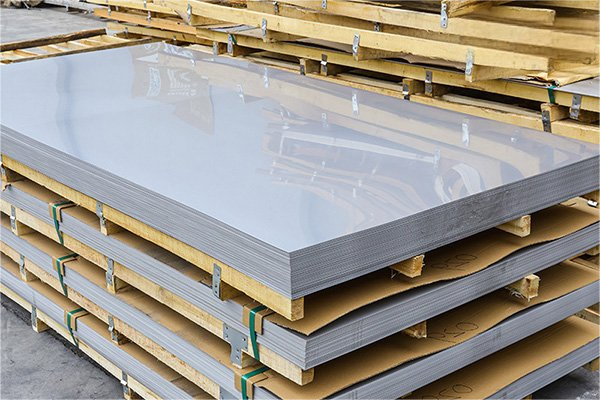
A reference guide on gauge thickness, weight calculations, and structural specifications for standard 4x8 sheets.
Read Article →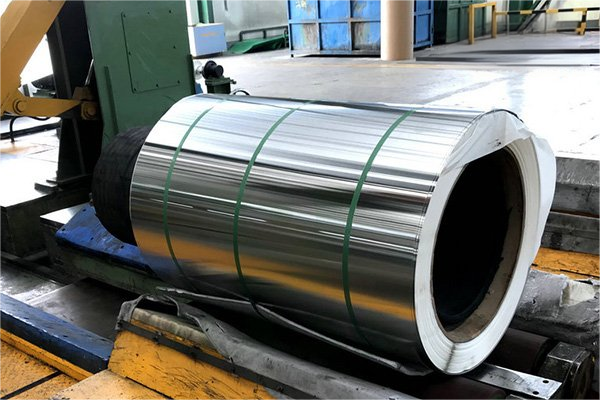
A comparison of mechanical properties, environmental limits, and cost differences to guide alloy selection.
Read Article →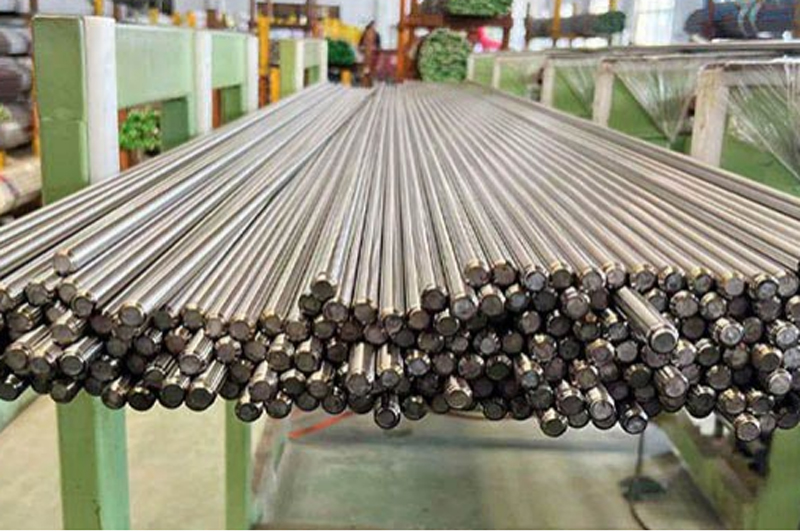
An evaluation of high-temperature oxidation performance and mechanical limits between grades 309 and 304.
Read Article →Explore our complete manufacturing portfolio, offering raw materials and specialized profiles for various industrial sectors.
Austenitic alloy plates built for chemical processing, marine fixtures, and general corrosion resistance.
Explore Specifications →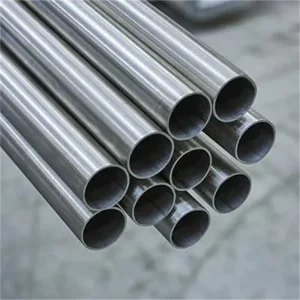
Titanium-stabilized welded tubing designed for exhaust systems and high-heat engineering applications.
Explore Specifications →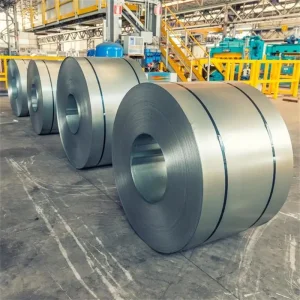
High-precision thickness tolerances for roll forming, deep drawing, and stamping operations.
Explore Specifications →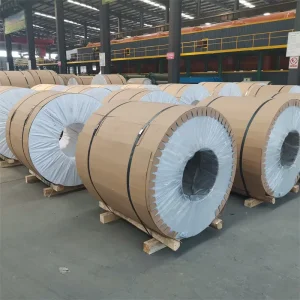
Heavy-gauge coils serving as raw materials for tube mills, structural sections, and laser cutting.
Explore Specifications →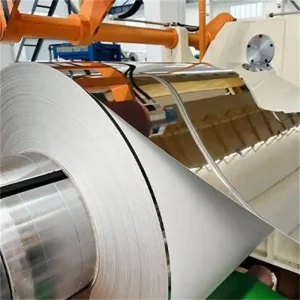
Highly reflective, mirror-finish strip coils optimized for decorative panel work, trim, and automotive parts.
Explore Specifications →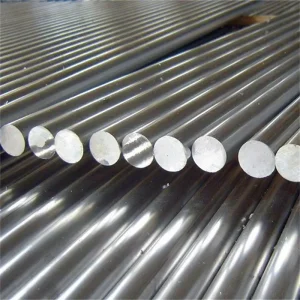
Precision-ground bars featuring titanium alloying for stability in high-temperature environments.
Explore Specifications →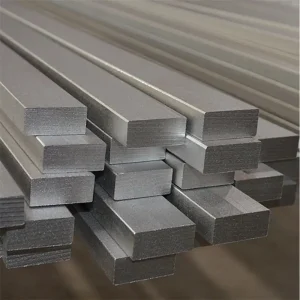
Cold-drawn square rods with clean edge radiuses, suitable for machine keys, slides, and structural supports.
Explore Specifications →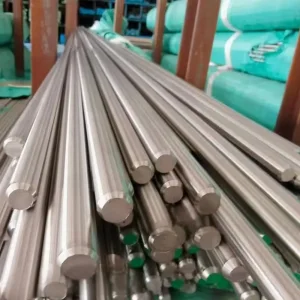
Austenitic round stock designed for machining, thread cutting, and general manufacturing applications.
Explore Specifications → Oes Steel