A Stainless Steel Tube is a hollow metal section used to carry fluids, support structures, or protect cables and components. Its defining feature is stainless steel, an iron-based alloy containing chromium that helps form a protective surface layer. That layer can slow corrosion, but it does not make the material immune to damage. Salt, chemicals, heat, and poor maintenance can all affect performance. Details matter.
Tubes are available in different diameters, wall thicknesses, lengths, and grades. Common choices include 304 and 316 stainless steel, though the right grade depends on the operating environment and required performance. A tube’s dimensions are often specified by its outside diameter and wall thickness; this differs from common pipe-sizing conventions, so product data should be checked carefully. Small differences can affect fit.
Manufacturers form tubes through processes such as welding or seamless production, then may cut, bend, or finish them for specific uses. Surface appearance is only one consideration. Buyers and designers also need to assess tolerances, pressure requirements, temperature, joining methods, and relevant specifications. A polished tube may look ready for service, but appearance alone cannot confirm its suitability. This overview explains what stainless steel tubes are, how they are made, and which practical details help guide selection. Even with careful specifications, real conditions can reveal limits that a product description does not make obvious.
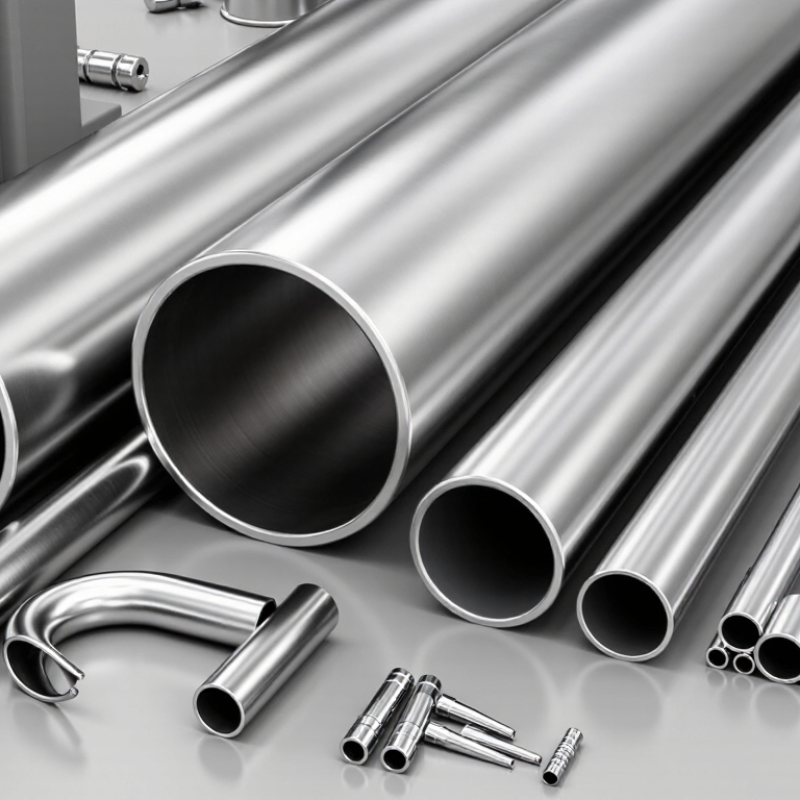
A stainless steel tube is a hollow steel product made for transporting fluids, enclosing components, or supporting structures. It may be seamless or formed from flat steel and welded along its length. Its defining feature is not a shiny surface, but its alloy composition. Stainless steel contains at least 10.5% chromium by mass, according to the commonly used industry definition. Chromium helps form a thin, self-repairing oxide layer when exposed to oxygen. The layer is extremely thin. Scratches can still happen.
Iron makes up most of the material, while carbon and other alloying elements adjust strength, formability, and corrosion resistance. Nickel can improve toughness and forming behavior; molybdenum can increase resistance to certain corrosive environments. For example, common grade 304 typically contains 18–20% chromium and 8–10.5% nickel under ASTM A240 composition limits. Grade selection matters: a tube exposed to coastal salt spray may need different properties from one carrying clean indoor water.
“Stainless” does not mean stain-proof.
Production figures show the material’s industrial scale, not the performance of any single tube. The International Stainless Steel Forum reported global stainless steel melt-shop production of 58.4 million tonnes in 2023 in its Stainless Steel in Figures 2024 publication. Composition varies by grade and product specification, so buyers should check the applicable material certificate rather than infer alloy content from appearance. A bright finish tells little about what is inside.
A flat strip passes through forming rolls until its edges meet. A controlled weld joins the seam. Looks easy. It isn't.
A solid billet is heated and pierced. It is stretched over a mandrel to form a hollow section.
Heat treatment can adjust mechanical properties. Pickling removes heat scale, while finishing can improve appearance. Cutting and straightening set the final shape.
Operators may measure wall thickness, outside diameter, and straightness. They may also inspect welds or test samples. Checks vary.
No. Appearance alone cannot confirm the grade, strength, or fitness for a particular service.
Alloy grade, weld quality, and surface finish all matter. Salt, cleaning chemicals, and trapped moisture can still damage the surface over time.
Check the intended load, pressure, temperature, diameter, and wall thickness. The right choice is not always obvious.
It transfers heat less readily than copper and expands as temperatures rise. A smooth interior can support flow and cleaning, but rough welds may collect residue. Details matter.
A Stainless Steel Tube is a hollow metal product made primarily from iron, with chromium and sometimes other alloying elements added to improve corrosion resistance, strength, and heat performance. Tubes are commonly produced by forming and welding steel strip or by shaping a solid billet without a seam, followed by processes such as sizing, heat treatment, and surface finishing. Available in grades with different compositions, they come in round, square, and rectangular shapes, as well as a range of wall thicknesses, diameters, and lengths.
Key characteristics can include durability, resistance to oxidation, ease of cleaning, and suitability for demanding temperatures or environments, though performance depends on the grade and manufacturing method. Stainless steel tubes are used in construction, transportation, food processing, energy systems, and many industrial applications. Choosing the right tube involves considering its operating environment, required strength, corrosion exposure, dimensions, fabrication needs, and applicable quality requirements.

 Oes Steel