The demand for 304L tubing continues to grow globally. According to a recent market analysis by Smith & Associates, the usage of 304L tubing in chemical processing and food sectors is expected to rise by 15% annually through 2026. “304L tubing provides unmatched corrosion resistance, making it vital for many industrial applications,” states Dr. Emily Yang, a leading expert in stainless steel technology.
304L tubing is renowned for its low carbon content, which enhances its weldability and prevents carbide precipitation. Its applications span across various industries, including aerospace, automotive, and oil and gas. This versatility makes it a preferred choice for manufacturers looking for reliable and durable solutions. However, the challenge lies in ensuring quality during production. Not all suppliers adhere to the same rigorous standards, which can lead to inconsistencies in performance.
The global market requires continuous innovation to improve 304L tubing. Buyers must conduct thorough assessments of potential suppliers. An informed choice not only ensures product integrity but also enhances operational efficiency. Each decision can either elevate or hinder long-term success in the competitive landscape of tubing solutions.
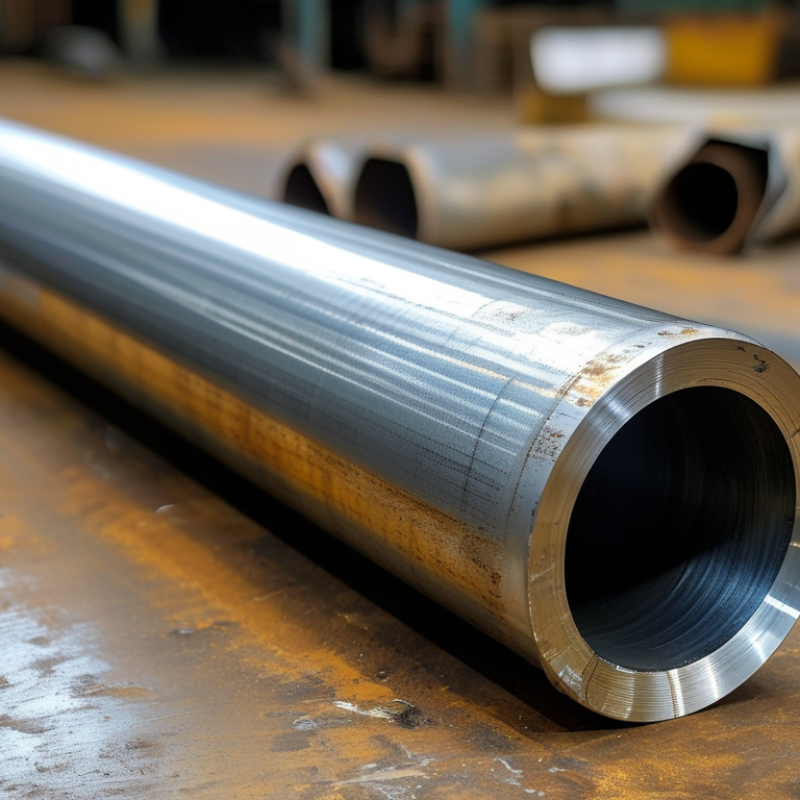
Overview of 304L Tubing and Its Characteristics
304L tubing is a crucial material in various industries due to its unique characteristics. This low-carbon stainless steel offers excellent corrosion resistance and high strength. According to a 2022 report by the International Stainless Steel Forum, 304L accounts for approximately 70% of the global stainless steel market. This makes it a popular choice for many applications.
The mechanical properties of 304L tubing are impressive. It can withstand temperatures up to 870°C, which is essential in high-heat environments. Its yield strength averages around 210 MPa and it has a tensile strength of roughly 500 MPa. However, these values can vary based on specific manufacturing processes. There are concerns related to weldability and potential intergranular corrosion, which require careful attention during the fabrication process.
Applications for 304L tubing are diverse, spanning from chemical processing to oil and gas industries. In chemical projects, its resistance to pitting and crevice corrosion stands out. However, as industries evolve, the demand for improving its properties persists. Research indicates that additives like nitrogen could enhance certain features of 304L. Nevertheless, balancing cost-efficiency and performance remains a crucial challenge for manufacturers in this sector.
Key Industries Utilizing 304L Tubing in 2026
In 2026, 304L tubing will be crucial across multiple industries. Its corrosion resistance and high strength make it ideal for sectors such as food and beverage, pharmaceuticals, and oil and gas. According to the Global Stainless Steel Tubing Market Report, the demand for 304L tubing is expected to grow by 5% annually. This reflects its importance in maintaining hygiene in food processing and efficient chemical transport.
The pharmaceutical industry heavily relies on 304L tubing for its cleanroom environments. This material is less likely to harbor bacteria, ensuring product safety. In oil and gas, 304L tubing is utilized for its durability under extreme conditions. The market analysis shows that these applications could represent over 30% of the tubing's total demand in 2026.
Tips: Regular maintenance is essential to prevent pitting corrosion in 304L tubing. Inspections should be scheduled every six months. Evaluate your tubing’s condition frequently; minor flaws can lead to major issues. Additionally, consider the environmental factors where the tubing will be installed. Adapting to unique conditions can enhance performance and longevity.
Advantages of 304L Tubing for Global Buyers
304L tubing is a popular choice for various applications due to its unique advantages. This stainless steel has low carbon content, minimizing the risk of corrosion. It's particularly beneficial in environments prone to rusting. The tubing is also known for its excellent welding capabilities, which allows for seamless installation in different projects. Moreover, its high strength-to-weight ratio makes it ideal for lightweight structures.
Tips: Always consider the environment where the tubing will be used. 304L performs well in heat and moisture, but it’s not suited for chloride exposure. This could lead to pitting corrosion. Evaluate your project’s needs carefully before making a decision.
Another notable advantage of 304L tubing is its aesthetic appeal. The shiny finish can enhance the visual aspects of any project. However, it may require periodic cleaning to maintain that pristine look. Additionally, while it is cost-effective for many applications, remember that cheaper options may lead to long-term expenses if they fail prematurely.
Tips: Keep an eye on the maintenance needs of 304L tubing. Regular inspections can prevent costly repairs. Also, balance your choices between cost and durability. This ensures you get the best out of your investment.
Innovative Applications of 304L Tubing in Modern Projects
304L tubing has become essential in various modern applications due to its unique properties. This low carbon stainless steel offers high corrosion resistance, making it suitable for both industrial and architectural projects. Industries use it for piping systems, heat exchangers, and structural supports. Its adaptability in extreme environments stands out in sectors like oil and gas, pharmaceuticals, and biotechnology.
One interesting use of 304L tubing is in renewable energy projects. It plays a crucial role in solar energy systems, particularly in framing solar panels. The durability of 304L ensures that the installations withstand harsh weather conditions. Similarly, in the food and beverage industry, this tubing is vital for maintaining hygiene standards. However, the challenge lies in ensuring proper welding techniques to retain its corrosion-resistant properties. Even experienced professionals must stay vigilant about these details to avoid costly errors.
It's important to note that while 304L tubing is versatile, its applications do require careful consideration. Designers and engineers must reflect on the specific requirements of each project. Ensuring the right specifications can be tricky, and any oversight may result in significant setbacks. Striking a balance between cost and quality is essential, and sometimes, compromises lead to unforeseen issues.
2026 Top Uses of 304L Tubing for Global Buyers - Innovative Applications of 304L Tubing in Modern Projects
| Application Area |
Description |
Advantages |
Industry |
| Chemical Processing |
Used for pipes and fittings that handle corrosive substances. |
High corrosion resistance, durability, and low maintenance. |
Chemicals |
| Food and Beverage |
Applied in equipment for processing and packaging food. |
Sanitary, easy to clean, and resistant to acids. |
Food Industry |
| Construction |
Utilized for structural support and scaffolding. |
Strength, aesthetic appeal, and sustainability. |
Construction |
| Medical Equipment |
Components used in surgical tools and devices. |
Biocompatibility and resistance to sterilization methods. |
Healthcare |
| Marine Applications |
Used in various parts of ships and offshore platforms. |
Corrosion resistance in saltwater environments. |
Marine Industry |
Future Trends in 304L Tubing Use Across Various Sectors
The use of 304L tubing is set to expand significantly in various sectors. Recent reports suggest a growing demand driven by the healthcare and food industries. These sectors prioritize hygienic solutions. The annual growth rate could reach 5% over the next few years.
In the construction sector, 304L stainless steel is favored for its durability and resistance to corrosion. Engineers emphasize its versatility. Research indicates that the material offers a life cycle that can surpass 30 years. Clients appreciate its low maintenance requirements. Tubing used in water systems often requires low-lead options due to regulatory changes.
Tips for buyers: Always choose suppliers with reliable certifications. Material selection should focus on specific environmental needs. Regular updates on industry standards can prevent costly mistakes. Being aware of sustainability trends is vital. As consumer preferences shift towards eco-friendly solutions, the future of 304L tubing will likely evolve, requiring ongoing assessment and adaptation.
Conclusion
304L tubing is a versatile and highly sought-after material characterized by its excellent corrosion resistance, high strength, and ease of fabrication. In 2026, key industries such as oil and gas, chemical processing, and pharmaceuticals are expected to leverage 304L tubing for various applications, ensuring safety and durability in challenging environments.
The advantages of 304L tubing for global buyers include its low carbon content, which minimizes the risk of carbide precipitation, making it suitable for welded components. Innovations in modern projects are opening new avenues for 304L tubing uses, particularly in energy-efficient systems and advanced manufacturing processes. As we look to the future, trends indicate a growing demand for 304L tubing across diverse sectors, driven by its adaptability and performance in both conventional and pioneering applications.

 Oes Steel