In today's industrial landscape, the use of materials like the 316 Stainless Steel Plate has become crucial. This alloy, known for its corrosion resistance, is a favorite among professionals. John Smith, a respected expert in materials engineering, once stated, "316 Stainless Steel Plate is vital for industries requiring durability and precision."
Industries such as marine, chemical processing, and food service heavily rely on this versatile material. 316 Stainless Steel Plate stands out due to its ability to withstand harsh environments. The plate's resistance to pitting and crevice corrosion makes it suitable for challenging applications. This practicality is why many industries have turned to it.
However, not all users fully understand the potential of the 316 Stainless Steel Plate. Some applications may underestimate its strength and longevity. Engaging the right expert can help tap into its full benefits. Exploring the diverse uses of this material reveals opportunities that can enhance operational efficiency. Industry leaders must recognize these advantages to stay competitive.
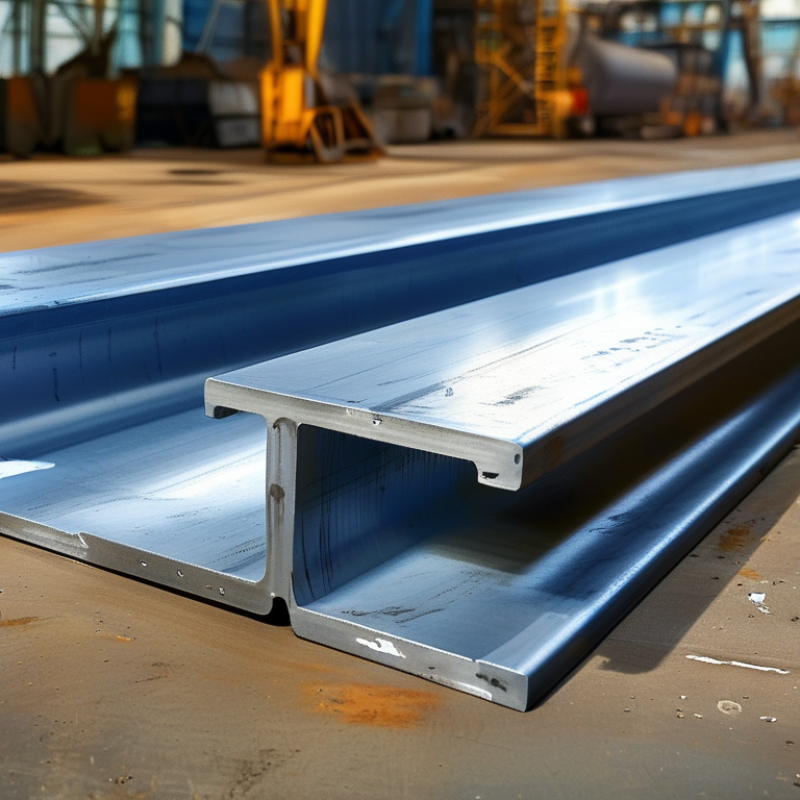
Key Properties of 316 Stainless Steel Plate That Benefit Industries
316 stainless steel is widely recognized for its exceptional properties, making it a top choice across various industries. Its resistance to corrosion is a standout feature. According to industry reports, 316 stainless steel exhibits superior durability in marine environments. This makes it ideal for shipbuilding and offshore applications. The ability to withstand harsh conditions enhances product longevity, reducing replacement costs.
Another critical property is its high-temperature tolerance. Engineers often use 316 stainless steel in chemical processing industries due to its ability to handle extreme conditions. Reports indicate that its tensile strength performs well under heat, which is essential for safety and efficiency. Its low maintenance needs are also appealing in these settings, as it minimizes downtime.
However, not all applications find 316 stainless steel advantageous. In some cases, its cost can be a barrier for budget-sensitive projects. Alternative alloys may offer sufficient performance at a lower price. Further research into specific use cases is essential. Understanding the balance between cost and performance is critical. This insight helps industries make informed decisions about material selection.
Common Applications of 316 Stainless Steel Plates in Manufacturing
316 stainless steel plates are widely used in various industries due to their excellent corrosion resistance and durability. In the food processing sector, for instance, these plates are crucial. They help maintain hygiene standards. The non-reactive nature of 316 stainless steel ensures that food products remain uncontaminated. This property makes them ideal for equipment, countertops, and storage tanks.
In the marine industry, 316 stainless steel plates excel due to their resistance to saltwater corrosion. Ship components often rely on these plates for structural integrity. They are used in hulls, railings, and various fittings. This application highlights a common challenge; while durable, the marine environment can still lead to wear and tear over time.
The pharmaceutical industry also benefits greatly from 316 stainless steel plates. Equipment that handles sensitive substances requires materials that are both reliable and safe. These plates are often utilized in reactors, mixing tanks, and transfer lines. However, ensuring cleanliness can be a constant task. Regular maintenance is necessary to avoid contamination and to uphold safety standards.
Advantages of Using 316 Stainless Steel in Marine Environments
316 stainless steel is a popular choice in marine environments. Its resistance to corrosion is unmatched. This stainless steel alloy contains molybdenum, enhancing its durability. The harsh saltwater atmosphere can quickly erode other materials. In contrast, 316 offers exceptional strength and longevity.
Marine vessels, docks, and equipment often use 316 stainless steel plates. These elements endure constant exposure to water and salt. While expensive compared to alternatives, the long-term savings are significant. Maintenance costs decrease over time, making 316 a practical choice for shipbuilders. The initial investment pays off when considering durability and lifespan.
Despite its advantages, 316 stainless steel isn't perfect. It can still succumb to pitting and crevice corrosion under specific conditions. Users must remain vigilant about maintenance. Regular inspections help identify potential issues early. Even with its strengths, careful handling is essential to maximize 316's benefits. Being aware of its limitations ensures a reliable and efficient application in maritime contexts.
Innovative Uses of 316 Stainless Steel Plates in Construction Projects
316 stainless steel plates have become essential in construction projects due to their exceptional resistance to corrosion and high strength. This material is particularly useful in marine environments, where exposure to saltwater can lead to rapid degradation of standard steel. According to industry reports, nearly 60% of stainless steel used in construction involves grades like 316, indicating its widespread preference.
In architectural applications, the aesthetic appeal of 316 stainless steel plates is undeniable. Their polished finish offers an attractive look while retaining durability. Many skyscrapers incorporate 316 stainless steel in their façade, which can withstand harsh weather conditions. Studies show that using this alloy helps lower maintenance costs by up to 20% over the lifespan of a building. However, some engineers note challenges in welding these plates, which can complicate application processes.
The versatility of 316 stainless steel plates extends to various structural elements. They are often used in handrails, brackets, and frames. This flexibility allows architects to design innovative solutions while ensuring structural integrity. Yet, the higher initial cost can be a barrier for some projects. Reflecting on this, stakeholders must weigh budget constraints against long-term benefits. Balancing these factors is crucial for successful project outcomes.
Future Trends: Advancements in 316 Stainless Steel Plate Technology
The future of 316 stainless steel plate technology is promising. Innovations in the manufacturing process are enhancing its properties. Advanced techniques improve strength, corrosion resistance, and machinability. These improvements make 316 stainless steel plates more versatile in various industries.
In sectors like marine, aerospace, and chemical processing, the demand is steadily rising. The ability to withstand harsh environments is crucial. Manufacturers are integrating smart technologies, allowing for better monitoring. This can lead to predictive maintenance and reduce downtime. However, the energy consumption during production remains a concern. Balancing performance with sustainability is a challenge that needs to be addressed.
Moreover, research into alloy compositions is ongoing. Customization options can lead to more efficient applications. The long-term effects of these advancements must be studied. Understanding how changes impact overall durability and life cycle is essential. With evolving market demands, the industry must adapt and innovate continuously.
FAQS
: Its exceptional corrosion resistance stands out, especially in marine environments. This extends the product's lifespan.
It tolerates high temperatures and has impressive tensile strength. This ensures safety and efficiency in extreme conditions.
Yes, its cost can be a hurdle for budget-sensitive projects. Alternative materials might offer adequate performance at lower prices.
It maintains hygiene standards thanks to its non-reactive nature. This protects food products from contamination.
It is essential for ship components, including hulls and railings. However, marine environments can still cause wear over time.
Promising advancements improve strength and machinability. Manufacturers are exploring smart technologies for better monitoring.
Consistent upkeep is vital for cleanliness, especially in the pharmaceutical sector. Neglecting this can lead to contamination issues.
Energy consumption during production poses concerns. Balancing performance with sustainability remains a significant challenge.
Customization can lead to more efficient applications. Understanding impacts on durability is essential for long-term success.
Yes, evolving market demands require continuous innovation. Industries must remain flexible to meet these challenges.
Conclusion
The article titled "2026 Top Uses for 316 Stainless Steel Plate in Industry" explores the significant advantages and versatile applications of 316 Stainless Steel Plate across various sectors. It highlights the key properties of this material, such as its corrosion resistance, durability, and ability to withstand high temperatures, which make it particularly beneficial for industries like manufacturing and construction.
In marine environments, 316 Stainless Steel Plates excel due to their resistance to saltwater corrosion, making them essential for shipbuilding and coastal structures. The article also delves into innovative uses in construction projects, where their strength and longevity are invaluable. Looking ahead, future trends in 316 Stainless Steel Plate technology suggest ongoing advancements that promise to enhance its performance and broaden its applications, ensuring its continued relevance in industrial uses.

 Oes Steel