In the world of construction and manufacturing, "Stainless Steel Tubing" is a crucial component. Its durability and resistance to corrosion make it an ideal choice for various applications. Global buyers often face challenges when sourcing stainless steel tubing. Quality, specifications, and cost are vital factors to consider.
As demand grows, understanding the market becomes necessary. Buyers must be aware of different grades and standards of stainless steel. Each type serves specific purposes, affecting performance and longevity. Moreover, suppliers worldwide may not always adhere to the same quality benchmarks. This inconsistency can lead to regrets and costly mistakes.
Engaging with reliable suppliers is essential. Researching their reputation and previous projects helps in making informed decisions. Nonetheless, navigating these challenges can be daunting. Ultimately, enhancing your knowledge about stainless steel tubing will lead to better procurement choices. Overlooking details might hinder project success and lead to unforeseen problems.
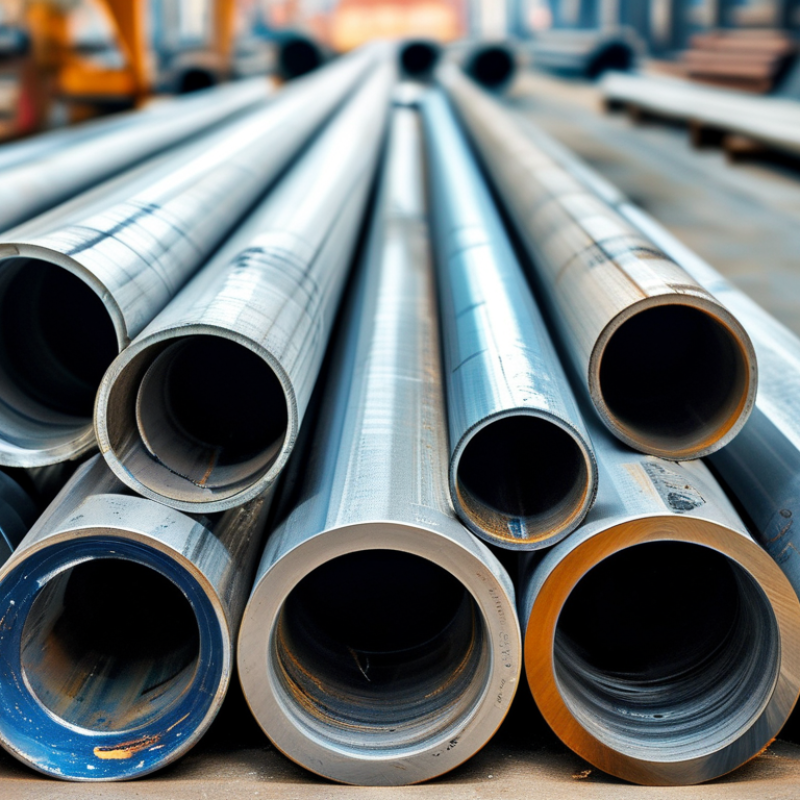
When exploring stainless steel tubing, understanding the various types is essential for global buyers.
Seamless and welded are the principal types available.
Seamless tubing offers better durability. It is particularly suited for high-pressure applications.
Constructed from a single piece of metal, it reduces the risk of leaks.
Welded tubing, on the other hand, is made by joining two edges.
It often comes with more cost-effective pricing.
Another important aspect is the various grades of stainless steel.
Common types include 304, 316, and 430.
Grade 304 is the most versatile. It resists oxidation and is highly reliable.
Grade 316 contains molybdenum, which enhances its resistance to corrosion, making it ideal for marine environments.
Choosing the right grade based on the application is crucial.
Buyers should also consider the size and thickness of the tubing.
Different applications will demand unique specifications. Proper sourcing requires attention to detail.
Dimensions impact performance in critical scenarios. Global buyers should engage with reputable suppliers to ensure quality and consistency.
This can be a challenge, especially with varying standards across regions.
Reflecting on these nuances helps make informed decisions.
When sourcing stainless steel tubing, buyers should consider several key factors to ensure quality and reliability. Material composition is crucial. Different grades of stainless steel have unique properties that influence performance. Understanding these specifications helps you choose the right tubing for specific applications.
Another important tip is to assess the manufacturer's capabilities. Reliable manufacturers should have experience in producing high-quality tubing. Look for certifications that demonstrate their commitment to quality standards. Visiting production facilities can provide insight into their processes and reliability.
Don't overlook the supply chain dynamics. Timely delivery is vital in maintaining project schedules. Evaluate potential suppliers' lead times and shipping options. Effective communication with suppliers can lead to better outcomes. Ensure you understand their policies regarding returns and quality complaints as well. This foresight helps mitigate potential risks in the purchasing process.
When sourcing stainless steel tubing, understanding quality standards is crucial. Many manufacturers claim high quality, but certifications truly matter. Look for compliance with international standards like ASTM, ISO, and EN. These certifications verify the material's durability and resistance, ensuring you get what you pay for.
Beyond just certifications, consider the testing processes. For example, a reliable supplier should perform detailed inspections. This includes tensile strength tests and corrosion resistance evaluations. These are not mere formalities; they impact the tubing's longevity and performance in real-world applications. Ask providers about their testing methodologies to gauge their commitment to quality.
While many suppliers highlight their certifications, not all maintain consistent quality. It’s essential to request documentation and check references. Dive into their history and customer reviews. This attention to detail can reveal potential reliability issues. After all, the choice of tubing can significantly affect your project’s success.
| Property | Details |
|---|---|
| Material Grade | 304, 316, 321 |
| Common Applications | Automotive, Construction, Medical Devices |
| Specifications | ASTM A269, ASTM A312, ASTM A554 |
| Key Standards | ISO 9001, ISO 14001, OHSAS 18001 |
| Surface Finish | Brushed, Mirror, Polish |
| Certifications | EN 10204 3.1, FDA, RoHS Compliance |
| Thickness Range | 0.5mm - 10mm |
| Diameter Range | 3mm - 500mm |
Evaluating suppliers of stainless steel tubing requires a careful approach. Start by assessing their experience in the industry. Reliable suppliers typically have a solid track record. Engage with suppliers who have operated for several years. Their longevity often signifies stability and expertise. Check reviews and testimonials to gauge their reputation.
Quality control is another critical factor. Look for suppliers with certifications like ISO standards. These indicate adherence to quality processes. In addition, ask about their testing methods for product durability. Ensure they conduct thorough inspections of their tubing. A supplier’s commitment to quality directly impacts the final product you receive.
Pricing can be misleading. The lowest price often means compromised quality. It’s essential to balance cost with quality. Don’t hesitate to ask for samples before committing. Evaluate the material and craftsmanship. Remember, a good supplier provides transparency about their processes and materials. Trust your instincts; if something feels off, it’s worth exploring further.
When considering international purchases of stainless steel tubing, cost factors play a crucial role. A report by MarketsandMarkets suggests that the global stainless steel tubing market is projected to reach USD 80 billion by 2025. This demand often leads to fluctuating prices influenced by raw material availability and shipping costs. An understanding of these dynamics is essential for global buyers.
Budgeting for stainless steel tubing involves more than just the initial price of the product. Logistics can add significant costs. According to the International Trade Administration, shipping expenses can represent up to 20% of total import costs. Additionally, duties and tariffs vary widely across regions. Buyers must account for these variables to avoid pitfalls.
Unexpected costs can arise during sourcing. Fluctuations in exchange rates can impact overall expenses. For example, a 5% change in currency value can dramatically alter budgeting forecasts. Successful buyers monitor trends and adjust their strategies accordingly. Taking a proactive approach mitigates potential setbacks. This adaptability is key in the global market landscape.
: Focus on material composition and grade specifics. Different grades affect performance greatly.
Examine their experience and look for quality certifications. Visiting facilities offers insight into their processes.
Certifications verify the material’s durability and compliance with international standards, ensuring quality.
Look for tensile strength tests and corrosion resistance evaluations. They impact tubing’s longevity and real-world performance.
Shipping can add up to 20% to total import costs. Duties and tariffs also vary widely by region.
Currency fluctuations can significantly affect overall expenses. Monitor exchange rates to adjust your budget as needed.
Timely delivery is crucial for project schedules. Understand suppliers’ lead times and communication policies.
Ensure you know each supplier’s return policy and quality complaint process. This foresight helps reduce risks.
No, consistent quality must be verified through documentation and customer references. Pay attention to reliability issues.
Ignoring logistics and potential currency changes can lead to costly mistakes. Stay adaptable in your purchasing strategies.
When sourcing stainless steel tubing on a global scale, it's essential to understand the various types available, each suited for specific applications. Key factors to consider include the dimensions, grades, and finishes of the tubing, as well as the environmental conditions it will face during use. Buyers should also be aware of the necessary quality standards and certifications that ensure the products meet industry requirements.
Evaluating potential suppliers of stainless steel tubing is crucial for maintaining quality and reliability. It's advisable to assess their production capabilities, customer feedback, and adherence to international standards. Additionally, cost considerations and budgeting play a significant role in international purchases, as prices can vary based on factors such as material quality, shipping, and tariffs. By thoroughly researching these aspects, buyers can make informed decisions and ensure they obtain the best stainless steel tubing for their needs.

Oes Steel