In the competitive world of manufacturing, sourcing high-quality materials is crucial. Stainless Ss304 is a popular choice due to its excellent corrosion resistance and durability. According to industry reports, over 60% of stainless steel used in various applications is Ss304. This widespread use underlines its importance in sectors ranging from construction to food processing.
However, not all suppliers offer the same quality. It can be challenging to differentiate between high-grade and subpar materials. Many businesses encounter issues with inconsistency in specifications, which can lead to operational failures. The potential risks of using inferior Stainless Ss304 can be significant, including equipment breakdowns and safety hazards.
When sourcing Stainless Ss304, consider supplier certifications and product testing results. A reliable supplier provides transparency about their manufacturing processes. This attention to detail ensures you receive the best possible product for your business needs. The journey to find quality materials is complex and requires ongoing evaluation and reflection on supplier performance.
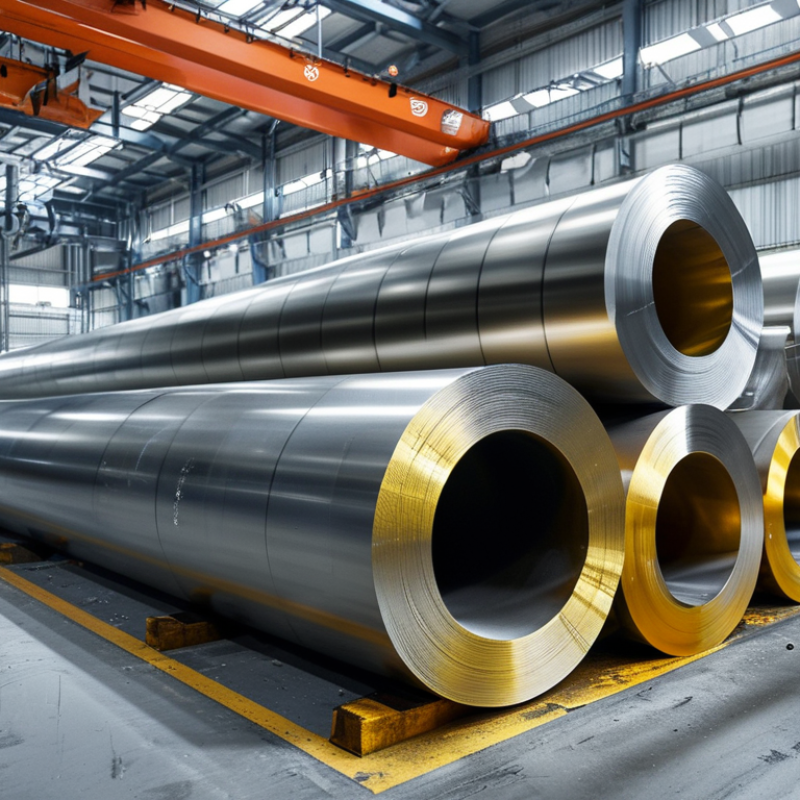
High-quality stainless steel SS304 is vital for many industries, including food processing, construction, and automotive. This material offers excellent corrosion resistance and durability, making it an ideal choice for various applications. It can withstand harsh environments, which enhances product longevity. However, not all SS304 is created equal. Companies often face challenges in sourcing reliable materials. Quality inconsistencies can lead to structural failures and safety issues, significantly impacting business operations.
Understanding the importance of sourcing high-quality SS304 demands a careful approach. Businesses must evaluate suppliers thoroughly. Factors such as the supplier’s manufacturing processes and certifications can help assess reliability. Engaging with suppliers who emphasize quality control ensures a more dependable product. However, even the best suppliers can have imperfections. Quality checks can't catch every flaw. This uncertainty requires businesses to invest in regular testing and inspections to safeguard product integrity.
It’s also important to maintain an open dialogue with suppliers. Transparency about material origins and production methods fosters trust. Companies can share experiences and discuss shortcomings. This collaboration can lead to improved sourcing strategies, ultimately benefiting both parties. Recognizing the need for continuous improvement in sourcing practices helps businesses stay competitive. Without a proactive approach, even the smallest defects in SS304 can lead to significant repercussions down the line.
When looking to source high-quality SS304 stainless steel, identifying reliable suppliers is crucial. Start by seeking suppliers with proven industry experience. Check their track record and customer reviews. A transparent supplier will provide documentation on material certifications, ensuring you receive genuine SS304 grade steel.
Visit manufacturers and distributors to assess their facilities. A reputable source should have modern equipment and a clean, organized workspace. Engaging directly with supplier representatives can reveal insights into their quality assurance processes. Ask about their sourcing practices and whether they maintain strict quality control measures.
Networking within industry groups can also yield valuable connections. Attend trade shows and conferences to meet potential suppliers. Personal interactions often provide a better sense of a supplier’s reliability. Keep an open mind; not every conversation will lead to a perfect match. Reflect on your specific needs and be prepared to explore multiple options to find the right fit.
When evaluating the quality and standards of SS304 stainless steel, several key factors come into play. First, assess the material's composition. SS304 should contain approximately 18% chromium and 8% nickel. This blend enhances corrosion resistance and overall durability. In addition, check for certification documents. Reliable suppliers often provide third-party test reports. These documents verify the steel's compliance with industry standards.
Surface finish matters greatly too. A smooth finish can indicate better quality since rough surfaces may harbor contaminants. Physical inspections should not be overlooked. Look for any signs of pitting or discoloration. Imperfections can affect performance, especially in demanding environments.
Finally, consider the source's reputation. Suppliers with a track record of high-quality materials tend to maintain strict quality controls. However, it is important to recognize that even top suppliers can have occasional setbacks. This emphasizes the need for routine quality checks. Engaging in regular audits can help maintain a high level of assurance in the materials you choose.
| Dimension | Thickness (mm) | Width (mm) | Length (mm) | Surface Finish | Certification |
|---|---|---|---|---|---|
| Sheet | 1.0 | 1000 | 2000 | 2B | ASTM A240 |
| Plate | 10.0 | 1500 | 3000 | No. 1 | ISO 9001 |
| Bar | 25.0 | 500 | 6000 | Polished | EN 10204-3.1 |
| Tube | 2.0 | 50 | 6000 | Bright Annealed | AISI |
When negotiating prices and terms with stainless steel suppliers, clarity is key. Establish your requirements early to avoid misunderstandings. Determine the exact type and grade of stainless steel you need. Having this information ensures you can request accurate quotes.
Tip: Always ask for samples before placing a large order. This helps assess quality without commitment. Try to build a relationship with your supplier. Open communication can lead to better deals, as suppliers may offer discounts for long-term partnerships.
Research is essential; compare prices from different suppliers. Some may start high but are willing to negotiate. It’s not uncommon to face barriers during negotiations. Be prepared to adjust your expectations based on market conditions. Sometimes, compromising on terms can lead to better overall results.
Tip: Document every discussion and agreement. This builds trust and ensures accountability. Reflect on past negotiations, identifying what worked and what didn’t. Learning from previous experiences can enhance your negotiation strategy.
Ensuring traceability in the supply chain for stainless steel, particularly SS304, is crucial. According to a report by the International Stainless Steel Forum, traceability can reduce material waste by up to 30%. This metric is essential for businesses aiming to maintain high-quality standards. Without proper tracking, faulty materials can enter the production line, causing project delays and increased costs.
Compliance with industry regulations is another essential aspect. A recently published study indicated that 60% of industry players struggle with understanding compliance requirements. This gap can lead to legal challenges and reputation damage. Investing in training for staff and adopting reliable sourcing practices can help. It's also vital to work with suppliers who provide comprehensive documentation detailing material origins and processes. The objective is clarity and reliability, reducing uncertainty in sourcing practices.
Furthermore, transparency is not just about legality. A survey revealed that 70% of consumers prefer brands that showcase ethical sourcing. In a competitive market, having an accountable supply chain enhances brand image. However, balancing cost and compliance remains a challenge. Businesses must continuously evaluate their processes for improvement. Exploring these areas can help enhance overall efficiency and customer trust.
: Look for suppliers with industry experience and positive customer reviews. Assess their track record carefully.
They should provide material certifications and third-party test reports to verify the steel's quality.
A clean and organized workspace with modern equipment reflects a supplier’s commitment to quality.
Assess the material composition, surface finish, and look for any signs of imperfections or discoloration.
Attend trade shows and conferences to meet potential suppliers. Personal interactions build trust and reliability.
Always request samples to assess the quality of the stainless steel without committing to a purchase.
Establish clear requirements early and research prices from various suppliers to find the best deal.
Be prepared for market fluctuations that might require adjusting your expectations or terms during negotiations.
Building a good relationship can lead to discounts and better deals over time, enhancing overall satisfaction.
Documenting discussions builds trust with suppliers and ensures accountability in future agreements.
When sourcing high-quality Stainless SS304 for your business, it is crucial to understand its importance in various applications due to its excellent corrosion resistance and durability. Identifying reliable sources is the first step, which involves researching suppliers with a good reputation in the market. Evaluating the quality of SS304 materials is essential; check certifications and compliance with industry standards to ensure the steel meets your requirements.
Once you have identified potential suppliers, negotiating prices and terms becomes vital to secure the best deal for your business. Additionally, ensure traceability in your supply chain to maintain transparency and compliance with relevant regulations. By following these steps, you can successfully source high-quality Stainless SS304 and ensure that your business operations run smoothly.

Oes Steel