How to Choose the Best 9mm Stainless Steel Tube for Your Needs?

Time:2026-06-04 Author:Madeline
0%

Choosing the right 9mm Stainless Steel Tube is crucial for various applications. It can influence performance, safety, and durability. With so many options available, the decision can be overwhelming. A thorough understanding of your specific needs is vital.

Consider what you need the tube for. Will it be exposed to harsh environments? Is weight a concern? The thickness, finish, and grade of the 9mm Stainless Steel Tube directly impact its functionality. Each feature serves a unique purpose and may yield different results.

Not all tubes are created equal. Variations in manufacturing processes can lead to significant discrepancies. It’s essential to do your research. Seek guidance from professionals who specialize in stainless steel products. Their expertise can help you avoid costly mistakes. Remember, the right choice can enhance your project’s success.
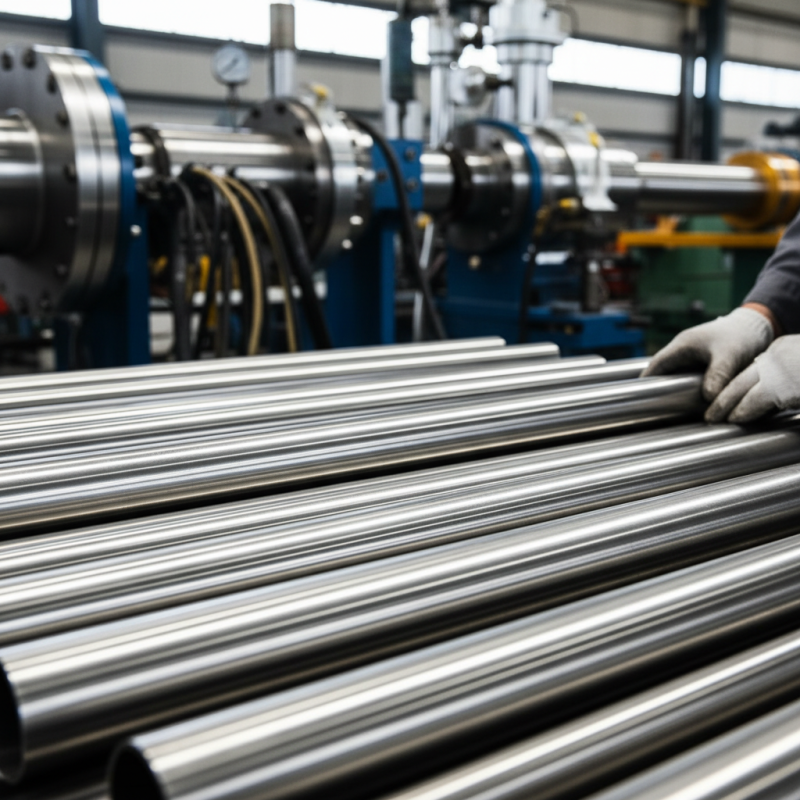
How to Choose the Best 9mm Stainless Steel Tube for Your Needs?

Understanding the Basics of 9mm Stainless Steel Tubes

When selecting a 9mm stainless steel tube, understanding its basic features is essential. Stainless steel tubes come in various grades. Common grades include 304 and 316. Each grade offers different resistance to corrosion, which can significantly impact your project's longevity. Knowing your environment helps in making the right choice.

Dimensions and wall thickness affect the tube's strength. A thicker wall means better durability. However, it also increases weight, which could be a drawback for some applications. Consider how the tube will be used. Will it bear heavy loads or face harsh conditions? Think about potential wear and tear.

Maximizing functionality is key. For instance, a shiny finish might appeal visually. But it also means frequent cleaning. This is a consideration if the tube will face grime or oil. Reflections can hide problems, making maintenance harder. Keep these aspects in mind when making your decision. It's about finding the right balance for your needs.

Key Factors to Consider When Choosing 9mm Stainless Steel Tubes

Choosing the right 9mm stainless steel tube involves understanding key factors. The material quality is crucial. Look for tubes made from high-grade stainless steel. This ensures durability and corrosion resistance. A good tube can last in various environments, making it a reliable choice.

Dimensions and tolerances matter. Measure the inner and outer diameters precisely. The wall thickness should fit your project’s needs. Tubes with tighter tolerances may be more expensive but offer better performance. Pay attention to certifications as well. They indicate quality standards and manufacturing practices.

Finally, think about the intended use. Will the tube face high pressure or temperature? Consider these conditions when making a decision. Sometimes, a less expensive option may suffice. Reflect on the long-term implications of your choice. A poor decision now may lead to more costs later. Aim for a balance between cost and reliability to meet your demands effectively.

Comparing Different Grades of Stainless Steel for 9mm Tubes

When selecting 9mm stainless steel tubes, understanding the different grades is crucial. Stainless steel comes in several grades, each with unique properties. Common choices include 304 and 316. Grade 304 is versatile and offers good corrosion resistance. This grade works well in general conditions. However, in marine or chemical environments, grade 316 is the better option. Its molybdenum content enhances its resistance to pitting and crevice corrosion.

Beyond corrosion resistance, consider the strength and durability of the material. Some applications may require higher tensile strength. In such cases, choosing a tube with a higher grade can provide the necessary support. Note, though, that higher grades often come at a premium cost. Analyzing your project’s specific needs may lead you to balance cost and performance.

Additionally, one must evaluate the tube's expected lifespan. Lower grades can be a tempting choice due to their affordability. Yet, they may require frequent replacements or maintenance. This aspect should not be overlooked, as it may affect the long-term budget. It’s vital to weigh immediate savings against potential future expenses. Thoughtful consideration will lead to a more informed decision.

Evaluating the Applications of 9mm Stainless Steel Tubes

When exploring the applications of 9mm stainless steel tubes, it's essential to consider their versatility. These tubes are used in various industries, including automotive, aerospace, and manufacturing. Their resistance to corrosion makes them ideal for environments where moisture is a concern. This is especially important in outdoor applications or areas with high humidity. Many professionals appreciate their durability and strength.

Another vital aspect is the ease of fabrication. 9mm stainless steel tubes can be cut, bent, or welded without compromising their integrity. This flexibility allows for innovative designs in custom projects. However, not all manufacturers follow the same standards. Some may cut corners in production, which can lead to weak spots in the tube. It's crucial to choose suppliers with a reputation for quality.

Lastly, consider the specific requirements of your project. Some applications demand higher pressure tolerance, while others may focus on aesthetic appeal. Balancing these factors is not always straightforward. Testing different options may reveal unexpected weaknesses or strengths. Through thorough evaluation and experimentation, you can identify the best fit for your needs.

How to Choose the Best 9mm Stainless Steel Tube for Your Needs? - Evaluating the Applications of 9mm Stainless Steel Tubes

Application Material Type Wall Thickness (mm) Length Options (m) Weight (kg/m)
Hydraulic Systems 304 Stainless Steel 2.0 6, 12 0.75
Food Processing 316 Stainless Steel 1.5 2, 3, 6 0.55
Automotive Exhaust 409 Stainless Steel 2.5 4, 8 0.90
Marine Applications AISI 2205 Duplex 3.0 5, 10 1.10
Chemical Processing 316L Stainless Steel 2.0 2, 3, 4 0.80

Tips for Sourcing and Purchasing High-Quality 9mm Stainless Steel Tubes

When sourcing 9mm stainless steel tubes, quality is paramount. One crucial factor to consider is material specifications. Look into the grade of stainless steel used. Different grades offer varying levels of corrosion resistance. For example, 304 stainless steel is commonly used, while 316 provides superior corrosion resistance for harsher environments.

Supplier reliability is another essential aspect. Research potential suppliers carefully. Check reviews and ask for references. A reliable supplier is often willing to share their expertise. Inquire about their manufacturing processes. Quality control measures can indicate their commitment to excellence.

Don’t overlook packaging and shipping practices. Pipes should be protected during transit to avoid damage. Assess the supplier's returns policy as well. A flexible return policy reflects confidence in their products. Remember, not every supplier will meet your standards. It’s okay to walk away from a deal that doesn’t feel right. Trust your instincts.

FAQS

: What are the common grades of 9mm stainless steel tubes?

: Common grades include 304 and 316. Each grade has different corrosion resistance.

How does wall thickness affect tube strength?

Thicker walls provide better durability. However, they also increase the weight of the tube.

What should I consider about tube finishes?

A shiny finish looks good but requires frequent cleaning. Consider maintenance needs carefully.

Why is material quality important in tube selection?

High-grade stainless steel ensures durability and corrosion resistance. This impacts the lifespan of your project.

How can I measure tube dimensions accurately?

Use precise tools to measure inner and outer diameters. Check wall thickness to meet your project needs.

What conditions should I consider for intended use?

Think about pressure and temperature exposure. Some environments may require higher-grade tubes for safety.

Are tighter tolerances worth the cost?

Tighter tolerances can enhance performance. However, they may also raise overall costs, so weigh options.

What are the cost implications of choosing lower-grade tubes?

Lower grades may save money initially but lead to frequent replacements. This could increase long-term expenses.

How does the environment affect tube grade selection?

Harsh environments often require higher grades like 316. Assess your surroundings to choose wisely.

What should I reflect on when choosing a tube?

Balance cost with reliability. A poor choice now may lead to higher costs later on.

Conclusion

When selecting the best 9mm Stainless Steel Tube for your specific needs, it’s crucial to start by understanding the fundamental characteristics of these tubes, including their construction and properties. Key factors such as dimensional accuracy, corrosion resistance, and mechanical strength should be considered to ensure the tube meets the intended application requirements.

Comparing different grades of stainless steel is essential to determine which offers the best performance based on your needs, as various grades may provide different levels of durability and resistance to environmental factors. Additionally, evaluating the applications for which the 9mm Stainless Steel Tube will be used will guide your selection process in finding a product that provides optimal functionality. Finally, sourcing high-quality tubes from reputable suppliers can greatly enhance the reliability and longevity of your project.


Madeline

Madeline

Madeline is a dedicated marketing professional with a wealth of expertise in our company's core offerings. With a keen understanding of the industry, she brings a unique perspective to her role, consistently delivering high-quality content that highlights the superior aspects of our products. As......