What is Hot Rolled Stainless Steel Pipe and Its Uses?

Time:2026-05-03 Author:Liam
0%

Hot Rolled Stainless Steel Pipe is a crucial material widely utilized in various industries. Its production method involves rolling at high temperatures, enhancing its malleability and strength. According to a recent market report from Smithers, the demand for hot rolled stainless steel is projected to grow by 4.5% annually until 2030. This growth reflects its increasing application in construction and automotive sectors.

In construction, Hot Rolled Stainless Steel Pipe serves as a reliable component for structural frameworks. It resists corrosion, ensuring longevity and safety. The automotive industry also benefits from its lightweight and sturdy nature, promoting fuel efficiency. However, users must be cautious of quality variance among suppliers. Inconsistent manufacturing processes can lead to performance issues over time.

As the market expands, the need for high-quality standards becomes even more critical. Buyers must choose suppliers that provide comprehensive certifications. Ensuring compliance with industry regulations is vital for optimal performance and safety. The evolution of technology may further enhance the properties of Hot Rolled Stainless Steel Pipe, making it an even more integral part of modern engineering.
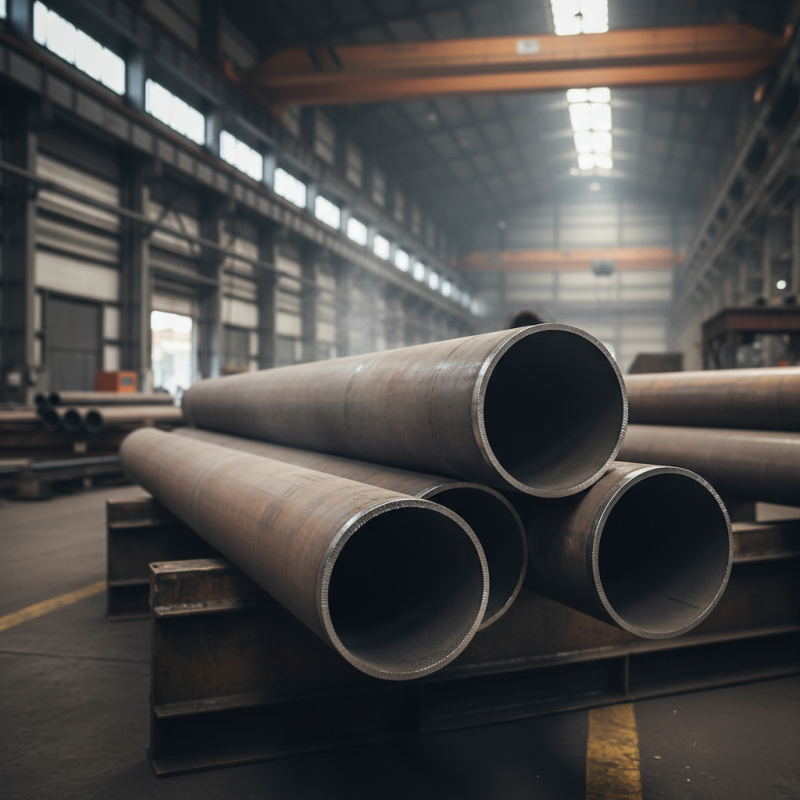
What is Hot Rolled Stainless Steel Pipe and Its Uses?

What is Hot Rolled Stainless Steel Pipe?

Hot rolled stainless steel pipe is a product made from stainless steel that undergoes a specific manufacturing process. This method involves rolling the steel at high temperatures, typically above 1700°F. This high heat reduces the yield strength and allows the steel to be shaped easily. The process enhances the mechanical properties, making the pipes more malleable and easier to work with. According to industry reports, hot rolled pipes have a rough finish and are typically used in structural applications.

These pipes serve a variety of functions across industries. They are commonly found in construction projects, where they provide structural support. Hot rolled stainless steel pipes are also widely used in oil and gas applications due to their corrosion resistance. The World Steel Association indicates that over 50% of stainless steel produced is used in the construction and automotive sectors. However, while they offer several advantages, they can also have inconsistencies, such as dimensional tolerances that vary more compared to cold rolled pipes.

Despite these imperfections, hot rolled stainless steel pipes remain a popular choice for many applications. Their mechanical properties make them ideal for situations that require durability and strength. However, companies must carefully evaluate their specific needs. Balancing the benefits of hot rolled stainless steel with its potential drawbacks is crucial for optimal utilization.

Manufacturing Process of Hot Rolled Stainless Steel Pipe

Hot rolled stainless steel pipes are vital in various industries today. The manufacturing process begins with heating stainless steel billets to high temperatures. This makes the metal malleable. Once heated, the material is rolled into shape, typically through a series of reduction passes. This method ensures a uniform thickness and enhances the pipe's strength.

During the hot rolling process, the temperature must be carefully monitored. Industry reports indicate that maintaining temperatures above 1,500°F can improve ductility. However, overheating can lead to defects, such as warping. Continuous monitoring and adjustments are essential for optimal results.

Tips for manufacturers include investing in advanced temperature controls and quality inspections. Regularly calibrating equipment helps maintain production standards. Additionally, understanding the properties of different stainless steel alloys can lead to better product outcomes. Not all stainless steel behaves the same under heat; it's crucial to know these differences. Finally, take time to assess final products. Reflecting on the hot rolling process can reveal opportunities for improvement and innovation in production methods.

Hot Rolled Stainless Steel Pipe Uses and Production Volume

Key Properties of Hot Rolled Stainless Steel Pipe

Hot rolled stainless steel pipe is valued for its mechanical properties and applications. These pipes are manufactured by heating stainless steel above its recrystallization temperature, which enhances its ductility and workability. According to the American Institute of Steel Construction, hot rolling can improve yield strength by about 20% compared to cold-rolled alternatives. This makes hot rolled stainless steel an excellent choice for structural applications.

Key properties of hot rolled stainless steel pipes include resistance to corrosion, high tensile strength, and ability to withstand high temperatures. Corrosion resistance is particularly critical in industries like oil and gas. In a report by the International Stainless Steel Forum, stainless steel accounts for about 70% of materials used in the energy sector due to its durability. Additionally, its high tensile strength helps in supporting demanding applications, though it can be a drawback in forming more intricate designs.

However, working with hot rolled stainless steel pipes is not without challenges. The heating process can lead to a rough surface finish, requiring post-processing for aesthetic applications. Tight tolerances may also be difficult to achieve. Designers and engineers must weigh these factors against the benefits when selecting materials for their projects.

Common Applications of Hot Rolled Stainless Steel Pipe

Hot rolled stainless steel pipes are widely recognized for their durability and versatility. These pipes are commonly used in various industries such as construction, automotive, and chemical processing. According to a report by MarketsandMarkets, the stainless steel pipe market is projected to reach USD 12.4 billion by 2026, indicating significant growth and demand.

In the construction industry, hot rolled stainless steel pipes play a crucial role. They provide structural support and can withstand harsh weather conditions. These pipes are often used in building frames, bridges, and municipal structures. Their corrosion resistance makes them ideal for outdoor applications. In the automotive sector, they are used for exhaust systems and fuel lines, contributing to overall vehicle performance and safety.

Moreover, hot rolled stainless steel pipes are essential in chemical processing. Their ability to resist chemical corrosion allows for safe transport and storage of various substances. Industries often report increased efficiency with the use of these pipes. However, improper installation can lead to failures. It's crucial for manufacturers and contractors to adhere to proper practices to ensure safety and reliability, as outlined in industry standards from organizations like ASME and ASTM.

Advantages and Disadvantages of Hot Rolled Stainless Steel Pipe

Hot rolled stainless steel pipe is a type of piping made from stainless steel that has been shaped at high temperatures. This process improves ductility and strength while reducing manufacturing costs. Many industries utilize it due to its remarkable properties like corrosion resistance and high durability.

However, there are both advantages and disadvantages. One key advantage is its cost-effectiveness. Hot rolled pipes are generally less expensive to produce, which makes them accessible for various applications. They also have excellent mechanical properties, capable of withstanding high pressures and temperatures.

On the downside, these pipes may lack precise dimensions and surface quality compared to cold rolled options. This can lead to challenges in applications requiring stringent specifications. Furthermore, they may undergo more significant thermal expansion, affecting assembly processes.

Tip: When selecting hot rolled stainless steel pipes, consider the specific requirements of your project. This helps in choosing the right materials that align with your needs.

It's also important to reflect on how the variability in these pipes can affect your design. Sometimes, imperfections like warping or inconsistent wall thickness can arise during manufacturing. Acknowledging these potential flaws can improve your project's overall quality.

Tip: Conduct thorough inspections of hot rolled pipes before usage. This ensures they meet the necessary standards for your application.

What is Hot Rolled Stainless Steel Pipe and Its Uses? - Advantages and Disadvantages of Hot Rolled Stainless Steel Pipe

Dimension Description Advantages Disadvantages Common Uses
Material Stainless Steel (304, 316) Corrosion resistant, durable Can be costlier than other materials Pipelines, construction, industrial applications
Manufacturing Process Hot rolling process Easy to form and shape Less control over dimensions Automotive, construction, shipbuilding
Temperature Processed at high temperatures Improved mechanical properties May warp or distort Oil & gas, energy sector
Wall Thickness Varies based on application Versatile for various applications Thicker walls can be heavier Manufacturing of machinery

FAQS

: What is the initial step in manufacturing hot rolled stainless steel pipes?

: The process starts by heating stainless steel billets to high temperatures for malleability.

Why is temperature monitoring important during hot rolling?

Maintaining temperatures above 1,500°F improves ductility, but overheating can cause defects like warping.

What should manufacturers do to improve their hot rolling process?

Invest in advanced temperature controls and perform regular quality inspections of equipment.

What are the main benefits of hot rolled stainless steel pipes?

They offer excellent corrosion resistance, high tensile strength, and can withstand high temperatures.

Are there challenges in using hot rolled stainless steel pipes?

Yes, the heating process can create a rough surface finish, requiring additional treatment for aesthetic use.

What industries commonly use hot rolled stainless steel pipes?

They are widely used in construction, automotive, and chemical processing for their durability and versatility.

How does hot rolling affect the strength of stainless steel?

Hot rolling can improve yield strength by about 20% compared to cold-rolled alternatives.

What mistake should manufacturers avoid in the installation of these pipes?

Improper installation can lead to failures; adhering to industry standards is crucial for safety.

What opportunities can arise from reflecting on the hot rolling process?

Assessing the process can reveal areas for improvement and innovation in production practices.

How does corrosion resistance impact the use of these pipes?

Their resistance is vital, especially in industries like oil and gas, where durability is critical.

Conclusion

Hot Rolled Stainless Steel Pipe is a type of steel pipe that is manufactured through a hot rolling process, which involves shaping and cooling stainless steel at high temperatures. This process enhances the material's ductility, making it easier to form into various shapes and sizes. The manufacturing involves heating stainless steel to its recrystallization temperature, allowing it to be easily manipulated and shaped into pipes used across various industries.

The key properties of Hot Rolled Stainless Steel Pipe include excellent corrosion resistance, high strength, and durability. These attributes make it suitable for numerous applications, such as in construction, automotive, and chemical processing sectors. Although Hot Rolled Stainless Steel Pipe has many advantages like cost-effectiveness and enhanced structural integrity, it may also have some disadvantages, such as a rough surface finish, which can affect aesthetic appeals in certain applications. Overall, the versatility and robust nature of Hot Rolled Stainless Steel Pipe make it a popular choice in many industrial applications.


Liam

Liam

Liam is a dedicated marketing professional with a profound expertise in the industry, where he excels at highlighting the unique advantages of our core products. With a keen understanding of market trends and consumer needs, Liam frequently updates our company’s professional blog, providing......