In today's global market, the demand for high-quality materials is crucial. One such material is the 304 SS square bar. This product stands out due to its durability and resistance to corrosion. Industry expert, Dr. William Hart, notes, "The 304 SS square bar is indispensable for various applications, but sourcing it can be challenging." His perspective reflects the complexity of global procurement in this niche market.
The 304 SS square bar is widely used in construction and manufacturing. Its mechanical properties make it suitable for various environments. However, inconsistent quality from suppliers can lead to significant issues. Companies must evaluate suppliers carefully to avoid complications. This could impact project timelines and overall costs.
Quality assurance remains vital in securing the 304 SS square bar. Understanding the nuances of the procurement process is essential for businesses. Organizations must continuously adapt to changes in supply chains. As experts remind us, relying solely on price can lead to neglecting quality.
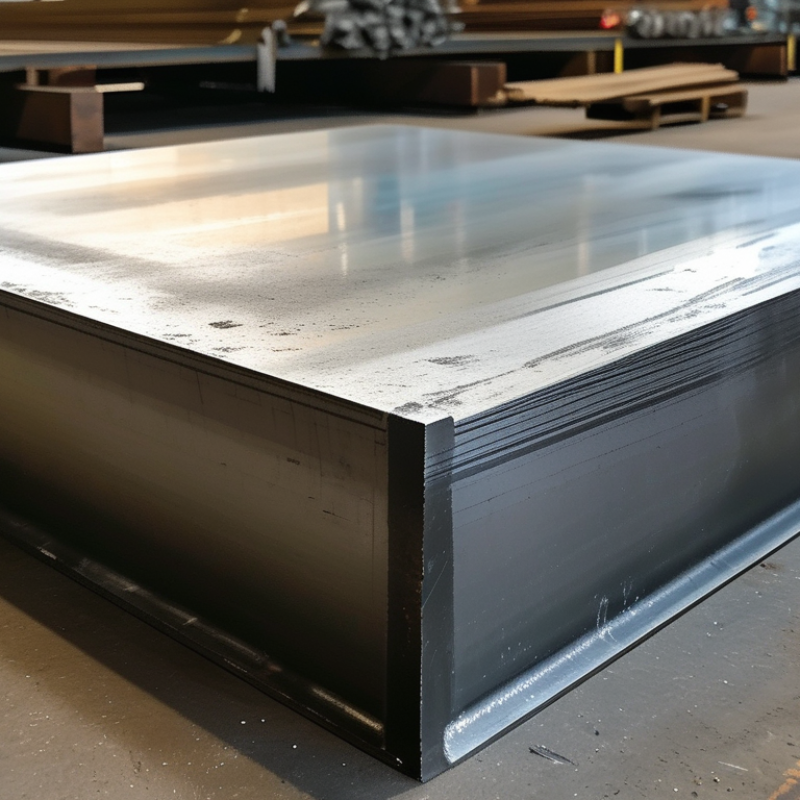
304 stainless steel square bars are widely used in various industries due to their excellent properties. This alloy contains chromium and nickel, enhancing its resistance to corrosion and oxidation. It is often chosen for applications that require high durability and strength.
The mechanical properties of 304 stainless steel are impressive. It has a tensile strength of about 520 MPa and a yield strength of approximately 215 MPa. At elevated temperatures, its properties remain stable, making it suitable for challenging environments. Furthermore, its low carbon content minimizes the risk of carbide precipitation, a common issue in other stainless steel grades.
However, there are some considerations. While 304 stainless steel offers widespread availability, sources vary in quality. Not all suppliers adhere to the same standards. It is crucial to ensure that material certification meets industry regulations. Buyers can rely on third-party testing for peace of mind. Depending on the manufacturing process, there may be variations in dimensions and finish. Understanding these factors allows for informed procurement decisions.
304 stainless steel square bars are widely utilized across various industries for their excellent corrosion resistance and strength. In the construction sector, these bars offer durability, making them perfect for structural applications. According to market reports, the demand for stainless steel products, including these square bars, is projected to grow at a CAGR of 5% from 2023 to 2028.
In manufacturing, 304 stainless steel square bars are essential in producing machinery and equipment. Their resistance to both oxidation and high temperatures ensures reliability in challenging environments. Studies reveal that around 70% of manufacturers favor stainless steel for its tensile strength and workability. However, some sectors still struggle with sourcing high-quality materials.
The automotive industry also leverages these square bars for parts that require precision and flexibility. The ability to withstand wear and pressure makes them valuable for components like brackets and frames. Even with this widespread use, it's crucial for industries to remain vigilant in assessing quality standards. Not all suppliers guarantee the same level of excellence, emphasizing the need for thorough evaluation in the procurement process.
In today's global market, the procurement of high-quality 304 stainless steel (SS) square bars is crucial for various industries. Sourcing these materials involves navigating a complex landscape of suppliers. Many companies are now prioritizing reliable channels to ensure consistency in product quality. A good strategy includes exploring multiple sourcing options, from local suppliers to international manufacturers.
Establishing strong relationships with suppliers is essential. Companies often rely on their industry experience to vet potential suppliers effectively. They must check certifications and quality assurance processes. However, even the most experienced buyers can face challenges in finding trustworthy partners. Quality control issues may arise, leading to unexpected costs or delays. Maintaining communication is key to addressing these hurdles promptly.
Moreover, companies should consider utilizing digital platforms for procurement. These platforms can streamline the sourcing process, allowing for easy comparisons of suppliers. However, they also come with risks, such as information overload. It becomes crucial to filter out unreliable data to make informed decisions. Ultimately, the goal is to achieve a balance between efficiency and reliability in procurement strategies for 304 SS square bars.
When it comes to sourcing high-quality 304 stainless steel square bars, understanding quality standards and certifications is crucial. The ASTM A276 standard is widely recognized. It specifies the requirements for various stainless steel shapes, including square bars. Compliance with this standard ensures that the product will perform well in various environments, particularly in corrosion resistance.
Certifications like ISO 9001 and ISO 14001 are essential for suppliers. These certifications indicate a focus on quality management and environmental responsibilities. In 2022, over 1.5 million companies were certified globally under ISO 9001, reflecting a commitment to quality that buyers can trust. Additionally, the EN 10088-1 standard is vital for European markets, outlining the technical delivery conditions for stainless steel products.
Tips: Ensure your supplier provides documentation for these standards. This protects your investment and guarantees product quality. Always request mill test reports. They provide vital information about the chemical and mechanical properties of the bar.
It’s important to remain vigilant. The market has many suppliers claiming compliance without proper certification. Regular audits and checks can prevent issues with material quality. A small step could save significant costs down the line. Aim for clarity and transparency. Only work with those who prioritize quality and accountability.
| Dimension (mm) | Weight (kg/m) | Standard | Certification | Min. Tensile Strength (MPa) |
|---|---|---|---|---|
| 10 x 10 | 0.78 | ASTM A276 | ISO 9001 | 520 |
| 20 x 20 | 1.56 | ASTM A276 | ISO 9001 | 520 |
| 30 x 30 | 2.34 | ASTM A276 | ISO 9001 | 520 |
| 40 x 40 | 3.12 | ASTM A276 | ISO 9001 | 520 |
| 50 x 50 | 3.90 | ASTM A276 | ISO 9001 | 520 |
When evaluating 304 stainless steel (SS) compared to other grades, it's essential to understand its unique properties. 304 SS is highly corrosion-resistant, making it suitable for various applications. According to the International Stainless Steel Forum (ISSF), 304 SS accounts for about 50% of all stainless steel production.
In contrast, grades like 316 SS offer better resistance to chlorides but are more expensive. 304 SS is versatile and widely used in food processing, architecture, and chemical industries. Data from the American Iron and Steel Institute indicate that while 304 SS is a strong choice for many, specialized environments could require alternatives.
: They resist corrosion and oxidation. Their strength and durability stand out in various applications.
The tensile strength is about 520 MPa. This makes it quite strong for many uses.
It reduces the risk of carbide precipitation. This issue affects many other stainless steel grades.
They should check material certifications. Relying on third-party testing adds reliability.
Finding trustworthy suppliers can be difficult. Quality control issues may cause unexpected costs.
They streamline sourcing processes and provide easy comparisons. Information overload can be a risk, though.
Not all suppliers maintain the same quality standards. This can lead to disappointment and wasted resources.
It helps address potential quality control issues quickly. Delays can impact overall operations significantly.
No, exploring international manufacturers can offer better options. However, this may involve added risks.
Strong relationships enhance trust and reliability. They can lead to better deals and consistent quality.
The article "High Quality 304 SS Square Bar for Global Procurement?" provides an in-depth analysis of the properties and applications of 304 stainless steel square bars. Known for its excellent corrosion resistance and high tensile strength, the 304 SS square bar is widely utilized across various industries, including construction, automotive, and manufacturing. The article further explores global suppliers and effective procurement strategies, emphasizing the importance of selecting reliable partners to ensure quality.
Additionally, the piece discusses quality standards and certifications that govern the production of stainless steel square bars, ensuring they meet rigorous industry benchmarks. A comparative analysis of 304 SS with other stainless steel grades highlights its advantages and unique suitability for different applications. Overall, the article serves as a comprehensive guide for stakeholders involved in the procurement of 304 SS square bars, underscoring their significance in achieving durability and performance in diverse applications.

Oes Steel