When embarking on a new project, material selection is crucial. Among the various options available, the 304 Ss Flat Bar stands out. This stainless steel is a popular choice for many applications due to its durability and resistance to corrosion. It excels in environments where moisture or chemicals are present.
The 304 Ss Flat Bar offers a highly aesthetic finish, making it suitable for visible structures. Additionally, its strength-to-weight ratio is impressive. It can support heavy loads while remaining lightweight. However, one must consider the specific requirements of their project. Will it withstand harsh conditions? Is it the best choice for the intended application?
Understanding the unique properties of the 304 Ss Flat Bar is essential. Its versatility allows it to be used across different industries. From construction to art, this material is truly remarkable. Yet, some projects may benefit from alternative choices. It’s important to weigh your options carefully and reflect on your specific needs.
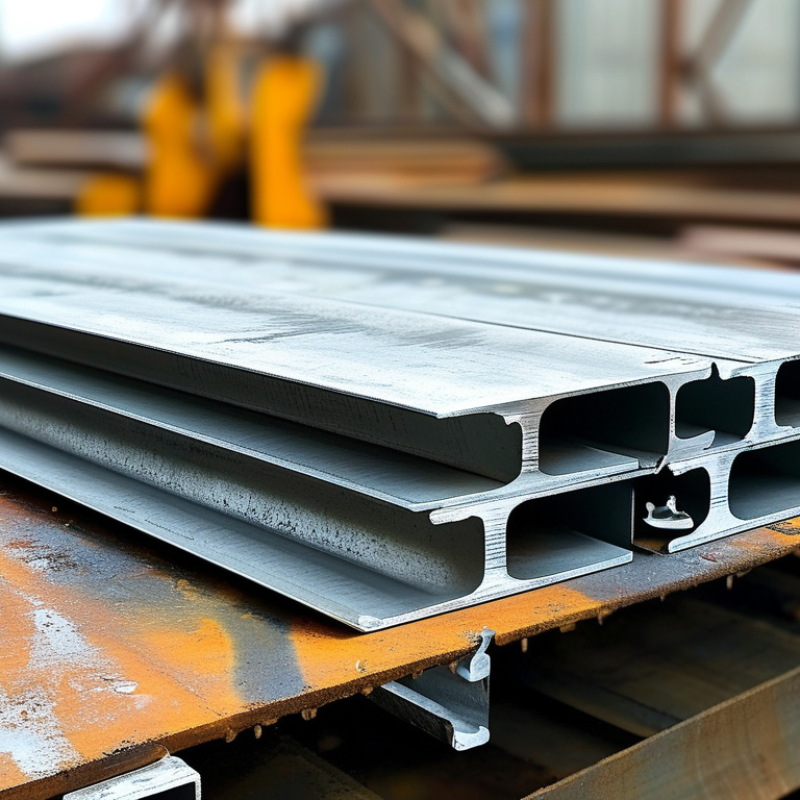
When considering materials for construction projects,
304 stainless steel stands out.
Its corrosion resistance makes it ideal for structures exposed to varying weather conditions.
This alloy is also known for its durability, which reduces the need for frequent replacements.
Therefore, choosing a 304 SS flat bar can enhance the lifespan of your project.
One notable feature of 304 stainless steel is its ease of fabrication.
The material can be cut and welded without losing its properties, making it versatile for various designs.
It creates excellent finishes, contributing to both aesthetic and functional aspects.
However, it’s essential to remember that 304 can be sensitive to high concentrations of chloride, so reflective materials may play a role in your layout.
Tips for using 304 SS flat bars include ensuring proper surface preparation before installation.
Proper cleaning prevents any pollutants from affecting the finish.
Always evaluate your project’s environment to assess its suitability over time.
While 304 stainless steel is a reliable choice, consider whether your specific project requires additional protective measures.
Every environment presents its unique challenges, and assessing these thoughtfully will lead to better outcomes.
304 stainless steel (SS) flat bars are known for their robustness and versatility. One of their primary properties is corrosion resistance. According to the International Stainless Steel Forum, 304 SS contains about 18% chromium and 8% nickel, which enhances its durability in various environments. This resistance to rust and oxidation makes it ideal for both indoor and outdoor applications.
The impact of this durability is evident in many industries. For example, the construction industry often uses 304 SS in structural components. A report by the American Institute of Steel Construction highlighted that stainless steel components can last over 50 years with proper maintenance. However, improper handling or exposure to certain chemicals can compromise this lifespan. It is essential to weigh these aspects when selecting materials for your project.
Another key property of 304 SS flat bars is their weldability. They can be easily joined, which is vital for complex designs. A study from the Journal of Materials Science indicated that welded 304 SS structures exhibit adequate strength under stress. Nevertheless, poor welding techniques can lead to weaknesses, underscoring the importance of skilled labor in the production process. Thus, while 304 SS flat bars offer excellent durability, attention to detail in handling and installation is crucial.
When considering materials for your next project, a comparative analysis of stainless steel grades reveals the robust attributes of 304 SS. This grade is renowned for its excellent corrosion resistance, making it a popular choice across many industries. For example, a report by the International Stainless Steel Forum indicates that 304 SS performs well in environments with high moisture levels, outperforming grades such as 430 in corrosion scenarios.
However, it’s essential to weigh the advantages against some limitations. While 304 SS showcases good weldability, it can be less resistant to chloride environments compared to 316 SS. The same ISF report highlights that 316 SS is superior in marine applications. Yet, the cost difference can be significant. Many projects prefer 304 SS to balance performance and budget, even if it means accepting some risk in specific environments.
Additionally, 304 SS has a moderate tensile strength compared to other grades. Its yield strength is around 215 MPa. In contrast, 316 SS reaches about 290 MPa. This disparity shows that while 304 SS is adequate for many applications, there are instances where stronger grades may be required. Evaluating these factors helps ensure the right material choice for both durability and economic feasibility.
When considering materials for long-term projects, 304 stainless steel flat bars stand out for their cost-effectiveness. This grade of stainless steel is known for its excellent corrosion resistance. These properties extend the life of your project, reducing replacement costs over time. Additionally, 304 SS is widely available, making it a practical choice for budget-conscious builders.
Using 304 SS flat bars may seem more expensive initially. However, its durability often leads to fewer maintenance requirements. This means less downtime and decreased labor costs over the project's lifespan. The lower total cost can be attractive for large-scale constructions.
That said, careful evaluation of your project requirements is crucial. Not every project needs 304 stainless steel. In some cases, other materials might suffice. Be sure to assess your specific conditions and consult with professionals. Balancing cost against long-term performance can lead to informed decisions, ultimately benefiting your project's overall success.
304 stainless steel (SS) flat bars are versatile materials widely used in various industries. Their excellent corrosion resistance makes them ideal for environments exposed to moisture. In construction, 304 SS flat bars serve as structural supports, ensuring durability and strength in building frames. Their aesthetic appeal also attracts designers, enhancing the visual aspects of projects.
In the food and beverage industry, hygiene is crucial. 304 SS flat bars resist bacteria and are easy to clean, which is essential for maintaining sanitation standards. They are commonly found in kitchen equipment, storage systems, and food processing facilities. However, improper installation can lead to contamination, so attention to detail is necessary.
Additionally, the automotive sector utilizes 304 SS flat bars for various parts like trim and supports. Their lightweight nature aids in fuel efficiency. Yet, understanding the specific application requirements is vital. Not all grades may perform equally well in high-stress environments. Recognizing these nuances allows for more informed decision-making.
: 304 stainless steel offers corrosion resistance and durability, enhancing project lifespan and reducing replacements.
It performs well in various weather conditions, but high chloride levels can be a concern.
Yes, it can be cut and welded easily, maintaining its properties and versatility for designs.
Ensure proper surface preparation and evaluate the project environment for long-term suitability.
It has excellent corrosion resistance, but may not be as strong or resistant to chlorides as 316 stainless steel.
Yes, it can be less effective in high chloride environments and has moderate tensile strength compared to some grades.
Indeed, it creates excellent finishes, enhancing both visual appeal and functionality in designs.
Yes, it's wise to assess environmental challenges and implement protective measures if necessary.
Focus on thorough cleaning and preparation to avoid pollutants affecting the finish.
Yes, it balances performance and budget, often making it a favorable choice despite some risks.
The article "Why Choose 304 Ss Flat Bar for Your Next Project?" highlights the numerous benefits of using 304 stainless steel flat bars in construction projects. It emphasizes their key properties, such as excellent corrosion resistance and mechanical strength, which significantly contribute to the durability and longevity of structures. A comparative analysis reveals that while other stainless steel grades may offer certain advantages, 304 SS flat bars provide a balanced combination of performance and cost-effectiveness.
Furthermore, the cost-effectiveness of 304 SS flat bars in long-term projects is discussed, making them an attractive option for various industries. Their versatile applications range from construction to manufacturing, illustrating how 304 SS flat bars are integral to reliable and sustainable infrastructure development. Through this comprehensive overview, it is evident that 304 SS flat bars are a superior choice for future construction endeavors.

Oes Steel