The demand for stainless steel tubing is on the rise globally, with China being a key player in this market. Expert John Miller, a renowned consultant in the stainless steel industry, states, “Choosing the right supplier is crucial for quality and sustainability in stainless steel tubing.” This highlights the importance of understanding supplier capabilities.
China's stainless steel tubing suppliers offer a range of products with varying specifications. Understanding the materials and manufacturing processes is essential for buyers. Factors like quality control, production capacity, and technological innovation play a significant role in supplier selection.
However, navigating this market can be challenging. Not all suppliers meet international standards. It's vital for companies to conduct thorough research to ensure reliability. Buyers must ask critical questions and seek testimonials. Emphasizing transparency and sustainability is more important than ever in the stainless steel tubing sector. This approach will lead to better partnerships and products.
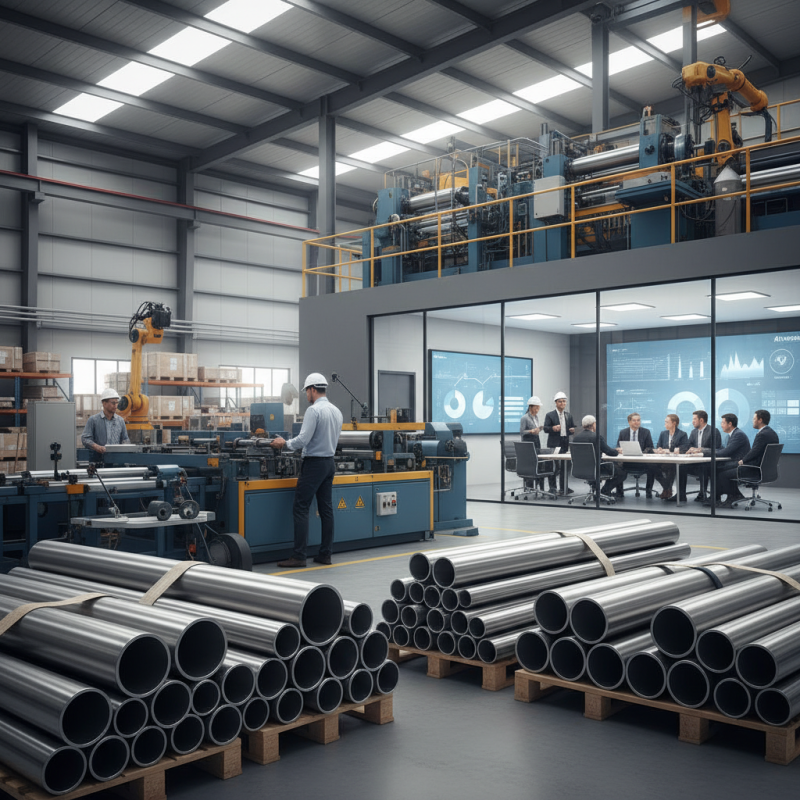
China's stainless steel tubing industry has shown remarkable growth in recent years. According to industry reports, the market size for stainless steel tubing in China was valued at approximately USD 5.6 billion in 2021, and it is expected to reach USD 8.2 billion by 2026. This growth reflects the increasing demand from sectors such as automotive, construction, and petrochemicals.
The production capacity of China's stainless steel tubing manufacturers is expanding. In 2022, the output reached about 1.2 million tons, driven by advancements in manufacturing technology. However, quality control remains a concern. Several producers struggle with inconsistencies in material properties. This variability can affect the performance of final products, particularly in critical applications.
Tip: When assessing suppliers, always request material certifications to ensure product quality meets industry standards. Transparency in sourcing is crucial.
China's stainless steel tubing sector also faces challenges such as rising raw material costs and environmental regulations. Despite these hurdles, innovation in production techniques and increased investment in sustainable practices may enhance competitiveness. Ongoing dialogue among industry stakeholders could lead to improvements in efficiency and environmental compliance.
When examining the stainless steel tubing market in China, understanding key players is essential. Several companies dominate this sector, each holding a significant market share. They differ in production capacity, quality, and customer service. This diversity allows buyers to find options that meet their specific needs.
The competition among suppliers can lead to pricing variability. Some firms cannot keep up with the industry's swift changes. Others may struggle to ensure consistent quality. This inconsistency can be concerning for businesses that rely heavily on stainless steel tubing for production.
Buyers should conduct thorough research before making purchasing decisions. Reviewing market trends and the reputation of suppliers can provide insights. Engaging with industry experts might also help clarify which companies can deliver the best solutions. Understanding these dynamics is crucial for anyone navigating the stainless steel tubing market in China.
When selecting stainless steel tubing suppliers in China, understanding quality standards is essential. Stainless steel tubes must meet specific criteria to ensure reliability. Common standards include ASTM, ISO, and EN specifications. These standards dictate the chemical composition, mechanical properties, and testing methods for stainless steel tubing.
Certifications provide further assurance of quality. A reputable supplier should have certifications such as ISO 9001. This certification reflects a supplier's commitment to quality management systems. Certifications like CE mark and PED ensure compliance with European regulations. However, not all suppliers are transparent about their certifications. It can be challenging to verify their claims.
Inspecting products before purchase can mitigate risks. You could request documentation, including test reports. Quality assurance processes often reveal a supplier's reliability. Watch for detailed records and audits. This diligence helps in avoiding suppliers who may not adhere to the proper standards.
Choosing a stainless steel tubing supplier in China requires thoughtful consideration. One crucial factor is the supplier’s experience in the industry. Suppliers with years of expertise often understand the nuances of stainless steel products. They can provide valuable insights into material grades and manufacturing processes. It's wise to seek out suppliers with a proven track record.
Quality assurance is another key element. Investigating their quality control measures is essential. A reliable supplier should have certifications that demonstrate adherence to international standards. Requesting sample products can help you assess the quality firsthand. You may find that not all suppliers meet your expectations in this area.
Pricing can be tempting, but it shouldn't be the sole decision factor. Understand what you're paying for—sometimes lower prices can indicate lower quality. Assess the supplier's overall reliability, including delivery times and customer service. Building a relationship with the right supplier takes time, and this process may not always go smoothly. Be prepared to test different suppliers to find the best fit for your needs.
| Criteria | Description | Importance Level | Evaluation Method |
|---|---|---|---|
| Quality Standards | Ensure the supplier follows international quality standards such as ASTM or ISO. | High | Inspect certifications and quality reports. |
| Production Capacity | The ability of the supplier to meet large orders in a timely manner. | Medium | Review factory capabilities and past order volumes. |
| Pricing Competitiveness | Assess the cost compared to other suppliers in the market. | High | Gather quotes and compare with the market average. |
| Customer Service | Evaluate the responsiveness and support provided by the supplier. | Medium | Directly contact the supplier with inquiries. |
| Delivery Time | Check the typical lead time for order fulfillment. | High | Confirm timeline during order discussions. |
| Manufacturing Location | Consider the location of the factory relative to shipping ports. | Medium | Research geographical advantages and risks. |
| Sustainability Practices | Evaluate if the supplier follows sustainable manufacturing practices. | Low | Request sustainability reports or certifications. |
The future of stainless steel tubing is shaping up with innovative technologies and evolving manufacturing processes. Smart manufacturing is on the rise. This includes automation, which improves efficiency and quality. Techniques like 3D printing are also gaining traction, allowing for complex designs that were previously impossible.
Sustainability is another focal point. Manufacturers are exploring eco-friendly practices to reduce waste. Recycled materials are increasingly being used. This not only helps the environment but also meets consumer demand for sustainable products. Additionally, research in corrosion resistance and enhanced durability continues. These advancements contribute to a longer lifespan for products, which is appealing for various industries.
However, the industry faces challenges. The cost of raw materials fluctuates. This affects pricing strategies and supply chain stability. Companies need to adapt to changing market dynamics. The focus should remain on innovation while ensuring reliability and quality. Embracing these future trends can lead to transformative benefits for both suppliers and customers alike.
: Buyers should review market trends and supplier reputation to make informed decisions.
Experienced suppliers understand product nuances better, which can aid in selecting the right materials.
Common standards include ASTM, ISO, and EN specifications that dictate material quality.
Certifications demonstrate a supplier's commitment to quality management and compliance with standards.
Not all suppliers are open about certifications, making it hard to verify their quality claims.
Inspections can reveal adherence to quality standards and help mitigate risks associated with poor products.
Low prices can suggest lower quality, so balance cost with reliability and service.
Effective quality assurance measures indicate a supplier's reliability and commitment to producing quality products.
Be prepared to test different suppliers until you find one that aligns with your quality standards.
Building a relationship can take time, but it’s crucial for long-term success in sourcing quality materials.
China's stainless steel tubing industry has grown significantly, driven by the increasing demand for high-quality tubing in various applications. Key players in the market possess substantial market share, contributing to the industry's dynamics. Quality standards and certifications are crucial for ensuring that stainless steel tubes meet both domestic and international requirements, enhancing their reliability and performance.
When selecting a supplier in China, factors such as production capacity, quality assurance processes, and customer service should be considered to ensure optimal partnership. The future of stainless steel tubing in China is marked by trends toward innovation and sustainability, as manufacturers explore new technologies and materials to meet evolving market needs. This evolution indicates that stainless steel tubing will continue to play a vital role in numerous industries moving forward.

Oes Steel