The demand for seamless stainless steel pipe continues to grow in various industries. Buyers worldwide seek high-quality products that meet rigorous standards. Seamless stainless steel pipes offer durability and strength for critical applications. They are commonly used in construction, oil and gas, and chemical processing.
When selecting the best seamless stainless steel pipe, potential buyers face a complex market. Not all suppliers uphold the same quality levels. This variability can lead to confusion and potential purchasing mistakes. Industry expertise is essential in identifying reliable manufacturers. Knowledge of material specifications and testing standards plays a crucial role.
While many products claim high reliability, not all meet buyer expectations. Some may experience corrosion or structural weaknesses. This reality highlights the importance of thorough research. Global buyers must weigh their options carefully. Understanding the market is key to making informed decisions. Ensuring a quality product is worth the effort.
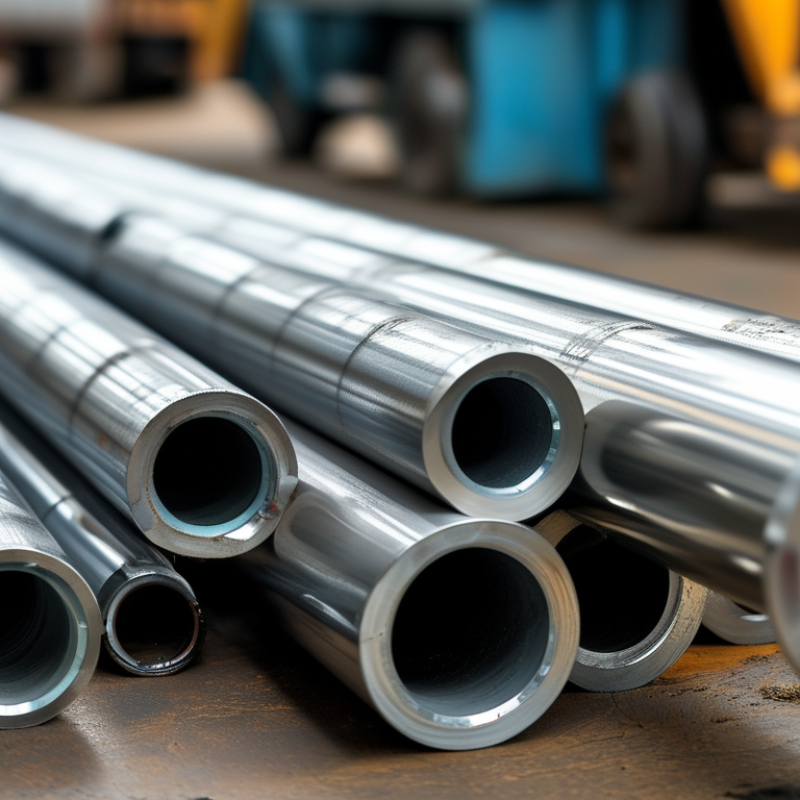
Seamless stainless steel pipes are crucial in various industries. They offer strength, durability, and corrosion resistance. These pipes are manufactured without any joints, enhancing their structural integrity. Industries like oil and gas, chemical processing, and construction rely on seamless pipes.
The production process involves advanced techniques. Hot or cold working methods shape the steel into pipes, creating high-quality products that withstand extreme conditions. However, not all seamless pipes are created equal. Some designers overlook specific material grades and thicknesses, which can lead to issues in high-pressure applications.
Quality control is essential in the manufacturing process. Regular inspections help identify defects, preventing costly failures later. Buyers should always prioritize trusted suppliers. Reliable sources provide comprehensive product information. Understanding specifications can be overwhelming, yet it’s necessary for safe usage.
Key specifications for seamless stainless steel pipes are vital for global buyers. These pipes are known for their strength and durability. They usually comply with numerous international standards, including ASTM and ASME. These standards ensure the pipes' resistance to corrosion and high temperatures. Buyers should verify wall thickness, which impacts durability. Thin walls may lead to leaks under pressure.
Material grades also matter. Common grades include 304 and 316. Grade 316 offers better corrosion resistance, especially in marine environments. Buyers might notice variations in mechanical properties. Testing is crucial before finalizing a purchase. Seamless pipes should undergo tests like ultrasonic or hydrostatic testing. This verifies performance under pressure.
Buyers often focus on dimensions. Standard sizes range from 1/8 inch to 24 inches in diameter. Lengths vary, often around 20 or 40 feet. Custom sizes are available but can require longer lead times. Accurate specifications lead to successful projects. However, miscommunication regarding size can result in delays. This is an area worth careful attention.
The demand for seamless stainless steel pipes continues to grow globally. Several manufacturers have established themselves as leaders in this industry. They focus on quality, efficiency, and advanced manufacturing techniques. These companies understand the unique requirements of different sectors, from construction to aerospace.
Leading manufacturers often invest in state-of-the-art technology. This ensures that their products meet international quality standards. However, challenges still exist in sourcing raw materials. They must navigate fluctuating prices and supply chain disruptions. Diversity in production methods can also lead to inconsistencies. Buyers should remain vigilant when selecting suppliers.
The expertise of these manufacturers is essential. They engage in extensive research to improve product durability. Despite innovations, the industry faces pressure to reduce costs while maintaining quality. Collaboration with industry experts can enhance product performance. Companies must prioritize transparency and customer support to build trust. In this evolving market, adaptability is key.
| Dimension (OD x WT mm) | Material Grade | Length (m) | Standard | Market Price (USD) |
|---|---|---|---|---|
| 25 x 2 | 304 | 6 | ASTM A312 | 200 |
| 32 x 3 | 316 | 6 | ASTM A312 | 250 |
| 40 x 3.5 | 321 | 6 | ASTM A312 | 300 |
| 50 x 4 | 316L | 6 | ASTM A312 | 350 |
| 60 x 5 | 904L | 6 | ASTM A312 | 400 |
Seamless stainless steel pipes play a crucial role in various industries. These pipes are vital in sectors like oil and gas, construction, and food processing. According to industry reports, the global seamless stainless steel pipe market is projected to reach $10 billion by 2026. This highlights the growing demand for these materials.
In the oil and gas sector, seamless stainless steel pipes are preferred for their strength and resistance to corrosion. Implementations in harsh environments require reliable materials. Similarly, the construction industry increasingly adopts these pipes for their durability. In fact, nearly 30% of stainless steel used annually is for construction. Their ability to withstand high pressures makes them indispensable in these applications.
However, the market is not without challenges. Many manufacturers face issues with sourcing raw materials. This can lead to delays and inflated costs. Additionally, the need for proper quality control is paramount. Substandard pipes can jeopardize safety and efficiency. As the industry evolves, continuous improvement in production techniques is essential.
When considering the best seamless stainless steel pipes, various factors influence the decisions of global buyers. Quality is paramount. Buyers often look for pipes with excellent corrosion resistance and durability. This ensures longevity and reliability in their applications. Specifications should be closely analyzed. Details like diameter, thickness, and pressure rating matter significantly.
Price is another critical factor. Buyers need to balance cost with quality. A lower price may attract initial interest, but the potential for future failures could be expensive. It’s vital to compare suppliers and gather multiple quotes. This helps assess whether the price reflects the true quality of the material.
Tips: Always check for certifications. These can provide assurance about quality standards. Additionally, consider the supplier's reputation within the industry. Reviews and testimonials can provide insights into reliability. Finally, don't overlook the importance of after-sales support. Sometimes, returning or replacing goods can be a hassle. Ensure that the supplier offers adequate support and service.
: Seamless stainless steel pipes are strong, durable, and corrosion-resistant. They have no joints, enhancing structural integrity.
Quality control helps identify defects during manufacturing. Regular inspections can prevent costly failures later.
Buyers should verify wall thickness and material grades. Thin walls may lead to leaks under pressure.
Pipes should undergo ultrasonic or hydrostatic testing. This checks their performance under pressure.
Standard sizes vary from 1/8 inch to 24 inches in diameter. Miscommunication about size can delay projects.
Manufacturers deal with fluctuating raw material prices. Supply chain disruptions add to the challenges they face.
Buyers should prioritize trusted suppliers who provide comprehensive product information. This helps in making informed decisions.
Grade 316 offers better corrosion resistance, especially in marine environments. Understanding material grades is crucial for buyers.
The market is evolving, and manufacturers must adapt to new technologies and customer needs to remain competitive.
They can engage in research and collaborate with industry experts to enhance performance and durability of their pipes.
The article titled "2026 Best Seamless Stainless Steel Pipe for Global Buyers" provides a comprehensive overview of seamless stainless steel pipes, highlighting their importance in various industries. These pipes are characterized by their lack of seams, which enhances their strength and reliability, making them ideal for high-pressure applications. The piece discusses key specifications and industry standards that govern the manufacturing of these pipes, ensuring they meet global quality benchmarks.
Furthermore, the article outlines the leading manufacturers in the market and examines the diverse applications of seamless stainless steel pipes across sectors such as construction, automotive, and oil and gas. Finally, it addresses the critical factors influencing buyers' decisions, such as material quality, cost-effectiveness, and compliance with standards, providing valuable insights for global buyers looking to make informed purchasing choices.

Oes Steel