When selecting metal tubing, the 25mm 316 Stainless Steel Tube stands out for its versatility and durability. Global buyers often seek high-quality materials for various applications, from automotive to construction. The 316 grade stainless steel is known for its excellent corrosion resistance, making it suitable for both domestic and industrial use.
However, not all 25mm 316 Stainless Steel Tube options are created equal. Factors such as manufacturing processes and supplier reliability play crucial roles in determining quality. Some buyers might overlook these aspects, risking delays or subpar products. A thoughtful evaluation of suppliers and manufacturing standards can mitigate these risks.
Understanding your specific needs is vital. Whether you require thin-walled or thick-walled tubes, knowing your application helps in making informed choices. Moreover, price alone should not dictate your decision; it’s essential to weigh the long-term benefits against initial costs. Navigating the market for the best options can be challenging, but with careful consideration, you can find a reliable supplier for the 25mm 316 Stainless Steel Tube.
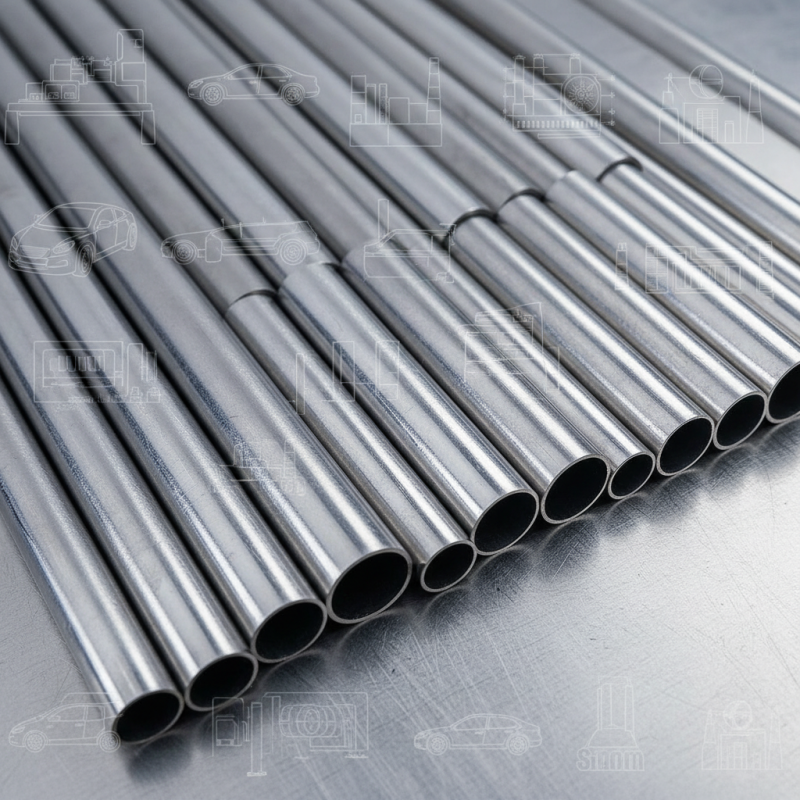
When purchasing a 25mm 316 stainless steel tube, it’s crucial to understand its applications and specifications. This material is widely used in industries like construction, automotive, and marine due to its corrosion resistance and durability. Reports indicate that the global stainless steel market will reach $121.74 billion by 2025, reflecting a strong demand for quality materials.
One critical aspect is the tube’s thickness and finish. Buyers must consider whether a polished or unpolished finish suits their needs. The tube’s dimensions can significantly impact performance, especially in high-pressure applications. In fact, industry data suggests that a proper finish can increase longevity by up to 30%. However, not all suppliers offer consistent quality.
It’s also essential to evaluate supplier credibility. Look for certifications that confirm the integrity of the product. Disparities in manufacturing standards can lead to inferior performance. A focus on quality assurance can mitigate risks associated with subpar materials. While it can be tempting to choose the lowest price, this often leads to regrets later. Evaluating long-term value, rather than just upfront costs, can yield better results in the long run.
The 316 stainless steel tube is highly regarded in various industries. Its composition includes molybdenum, enhancing its resistance to corrosion. This is especially important in highly corrosive environments, like chemical processing and marine applications. The durability of 316 stainless steel ensures longevity, but users must also consider the manufacturing process and finishing techniques for optimal results.
When exploring options for 25mm 316 stainless steel tubes, it is vital to recognize potential flaws. Not all manufacturing methods yield the same quality. Welded versus seamless tubes may have different performance metrics, influencing their application. Poorly executed welding can create weak points, leading to unexpected failures. Buyers should prioritize suppliers who demonstrate strong quality control measures.
The physical properties of 316 stainless steel are impressive but can vary based on production conditions. Factors such as temperature fluctuations and pressure can affect performance. Users should regularly evaluate their choices and understand the specific demands of their projects. Awareness of these aspects can prevent costly mistakes and ensure better decision-making.
| Tube Diameter (mm) | Material Grade | Standard | Wall Thickness (mm) | Weight (kg/m) | Common Applications |
|---|---|---|---|---|---|
| 25 | 316 | ASTM A312 | 2 | 3.85 | Chemical Industries |
| 25 | 316L | ASTM A269 | 1.5 | 3.25 | Food Processing |
| 25 | 316Ti | ASTM A358 | 3 | 4.5 | Marine Applications |
| 25 | 316N | EN 1.4401 | 2.5 | 4.0 | Pulp and Paper |
The demand for 25mm 316 stainless steel tubes has been on the rise, driven by various industries. These tubes are favored for their corrosion resistance and strength. Industries such as construction, automotive, and marine are increasingly utilizing this material due to its durability. As the global economy recovers, the need for high-quality stainless steel tubes continues to expand.
Supply chains have faced challenges recently. Disruptions caused by global events impacted production timelines. Buyers must be aware of these fluctuations. Understanding market trends helps in making informed purchasing decisions. For example, prices may vary significantly based on availability.
Tip: Always check the reliability of your suppliers. Build strong relationships with producers to ensure steady supply.
Another trend is the increasing preference for sustainable materials. Many manufacturers are exploring eco-friendly processes. Yet, this shift may require additional investment upfront. Buyers should weigh long-term benefits against initial costs.
Tip: Consider the full lifecycle of the material. Sustainable options may save money in the long run.
In summary, staying informed about market trends is crucial for global buyers. Balancing cost and quality can lead to better choices in sourcing 25mm 316 stainless steel tubes.
When analyzing global suppliers of 25mm 316 stainless steel tubes, quality and price are critical factors. Many manufacturers claim superior quality, yet the reality often differs. Some suppliers leverage their extensive experience, ensuring precise manufacturing processes. Others might focus solely on cost, compromising on materials and certification standards.
Quality assurance practices vary significantly among suppliers. Certifications such as ISO and ASTM provide a basis for comparison. A keen buyer examines these credentials and the supplier's track record. Discrepancies in quality can come from poor sourcing or substandard fabrication techniques. Additionally, pricing structures can mislead prospective buyers. Low prices may signal compromised quality, while higher prices are not always synonymous with excellence.
Understanding global supply chains is essential in this market. Shipping times, import regulations, and local partnerships can affect overall value. Buyers often encounter hidden costs that can distort the perceived benefits of a deal. Engaging in comprehensive research is invaluable. It allows buyers not only to evaluate options but also to reflect on their own priorities: quality against cost. This reflection can lead to more informed purchasing decisions in the long run.
In various industries, 25mm 316 stainless steel tubes play a critical role. Their resistance to corrosion makes them ideal for harsh environments. From marine applications to chemical processing, these tubes offer durability and reliability. Their smooth surface finish ensures a clean flow in fluid applications, which is essential for maintaining system efficiency.
In construction, 25mm 316 stainless steel tubes are favored for their strength and aesthetic appeal. They support structures while providing a sleek look. Working with these tubes demands precision and expertise to ensure proper fitting and strong joints. A common oversight is neglecting regular checks for wear and tear, which can lead to failures in critical systems.
Tips for choosing the right 25mm 316 stainless steel tubes include assessing the intended application and environmental factors. Consider factors like temperature and exposure to chemicals. A strong understanding of these elements will guide you in selecting the best options. Maintaining clear documentation during installation can help track performance over time. This practice encourages reflection on the system’s effectiveness and longevity.
: The primary benefit is their enhanced resistance to corrosion, especially in harsh environments.
The manufacturing process significantly affects quality. Poor welding can create weak points and lead to failures.
Buyers should prioritize suppliers with strong quality control and relevant certifications to ensure material reliability.
Variations in temperature and pressure can influence the physical properties and overall performance of the tubes.
Low prices may indicate lower quality, while high prices do not guarantee superior products. Careful evaluation is necessary.
They are widely used in marine applications, chemical processing, and construction due to their durability and aesthetic appeal.
Regular evaluation of tube choice and understanding project requirements helps in avoiding unexpected failures and issues.
Maintaining clear documentation allows for performance tracking and reflection on system effectiveness over time.
Consider environmental factors such as temperature and chemical exposure to choose the best options for your application.
Neglecting regular checks for wear and tear can lead to major failures in critical systems, which should be addressed.
The article titled "25mm 316 Stainless Steel Tube Best Options for Global Buyers" serves as a detailed guide for prospective purchasers looking for high-quality tubing. It explores the fundamental properties of 316 stainless steel, emphasizing its suitability for various applications due to its corrosion resistance and durability. Additionally, the article examines current market trends, shedding light on the demand and supply dynamics of 25mm 316 stainless steel tubes in the global marketplace.
In its comparative analysis, the piece evaluates suppliers regarding the quality and price points of 25mm 316 stainless steel tubes, helping buyers make informed decisions. Key applications in multiple industries are also highlighted, showcasing the versatility of these tubes in sectors such as construction, manufacturing, and marine environments. This comprehensive guide equips global buyers with essential insights to confidently navigate their purchasing journey.

Oes Steel