When considering materials for a construction project, the choice of piping is crucial. Stainless Steel Pipe stands out as a preferred option, praised for its strength and durability. According to industry expert Dr. Emily Dawson, “Stainless Steel Pipe blends resilience with versatility, making it indispensable for modern applications.”
The benefits of using Stainless Steel Pipe go beyond mere aesthetics. Its corrosion resistance ensures longevity, reducing maintenance costs. This material can withstand extreme temperatures and conditions, making it suitable for diverse environments. In sectors like construction and manufacturing, the need for reliable piping cannot be overstated.
However, not all projects are suited for Stainless Steel Pipe. Its higher initial cost may deter budget-conscious companies. Additionally, fabrication requires skilled labor to seamlessly integrate this material into existing systems. These factors make careful assessment essential when choosing the right piping solution. Balancing immediate costs with long-term benefits is key to successful project outcomes.
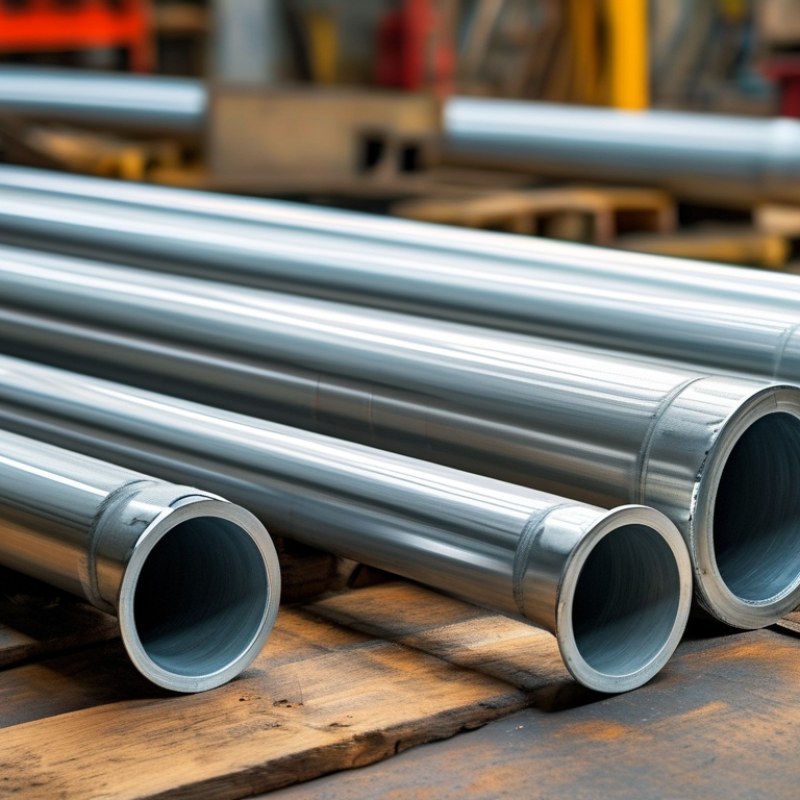
Benefits of Corrosion Resistance in Stainless Steel Pipes
When selecting materials for your project, corrosion resistance should be a top priority.
Stainless steel pipes excel in this area. They incorporate chromium, which forms a protective layer.
This layer prevents rust and extends pipe longevity, making them ideal for various settings, from construction to plumbing.
Consider the environments where your pipes will be installed. If they will face high humidity or exposure to chemicals,
stainless steel is the right choice. It withstands harsh conditions without degrading.
However, improper handling during installation can compromise the protective layer. Ensure that tools and techniques used do not scratch or damage the surface.
Tips for maintenance are essential. Regularly check for any signs of wear. Clean pipes gently to avoid scratching.
In addition, consider the surrounding materials used in conjunction with stainless steel.
Dissimilar metals can lead to galvanic corrosion.
It's crucial to understand the complete system in which the pipes operate for long-term performance.
Impact of Durability on Long-Term Project Costs
When considering long-term project costs, durability is a crucial factor. Stainless steel pipes stand out for their resistance to corrosion and extreme temperatures. This quality leads to fewer repairs and replacements over time. A well-chosen stainless steel system reduces the risk of leaks and failures. Projects benefit from reliable performance that lasts.
Additionally, the initial investment may be higher, but the savings accumulate quickly. Maintenance costs will decline significantly due to the material's longevity. Less frequent replacements mean fewer disruptions. This reliability helps keep project timelines intact and budgets on track.
However, not every project requires stainless steel. We must evaluate specific needs. Alternatives may serve better in some contexts. Balancing cost and durability requires careful consideration of project demands. Understanding trade-offs is vital to making informed decisions.
Top 10 Benefits of Using Stainless Steel Pipe for Your Project
| Benefit |
Description |
Impact on Long-Term Costs |
| Corrosion Resistance |
Stainless steel pipes resist rust and corrosion, extending their lifespan significantly. |
Reduces maintenance costs and replacement frequency. |
| High Strength |
Stainless steel has a higher tensile strength, making it ideal for high-pressure applications. |
Lowers risk of failures, potentially saving costs on emergency repairs. |
| Eco-Friendly |
Stainless steel is fully recyclable without losing quality. |
Reduces disposal costs and environmental fees. |
| Aesthetic Appeal |
Stainless steel pipes provide a sleek and modern appearance. |
Can enhance property value due to aesthetic improvements. |
| Versatility |
Used in numerous applications across various industries. |
Reduces the need for multiple materials, lowering project complexity and costs. |
| Thermal Resistance |
Withstands high temperatures, making them suitable for thermal applications. |
Reduces operational costs related to thermal insulation. |
| Easy to Clean |
Requires minimal maintenance and cleaning. |
Saves on labor costs for regular maintenance. |
| Cost-Effective in the Long Run |
Higher initial cost but lower lifetime costs due to durability. |
Long-term savings from lower replacement and maintenance. |
| High Performance |
Consistent performance under various conditions. |
Minimizes operational disruptions and associated costs. |
Energy Efficiency and Heat Resistance of Stainless Steel Pipes
Stainless steel pipes have become essential in various projects due to their impressive energy efficiency and heat resistance. When it comes to energy efficiency, these pipes effectively maintain temperature, reducing energy loss in heating and cooling systems. This is crucial for maintaining consistent temperatures in industrial processes. The smooth surface of stainless steel minimizes turbulent flow, enhancing energy savings.
For heat resistance, stainless steel performs admirably in high-temperature environments. They can withstand extreme conditions without deforming or losing integrity. This reliability is vital in sectors like petrochemical and power generation, where safety is paramount.
However, users should be mindful of potential corrosion in certain environments. Regular maintenance and inspections are necessary, even for stainless steel.
Tips: Choose the right grade of stainless steel for your specific application. Ensure proper installation to avoid future issues. Consider insulation to maximize energy savings and protection against heat. Make informed decisions based on your project's unique conditions.
Environmental Sustainability and Recyclability of Stainless Steel
Stainless steel is a crucial material known for its environmental sustainability. One of the most significant advantages of stainless steel pipe is its recyclability. In fact, around 90% of stainless steel is recyclable. This means that materials can be repurposed instead of ending up in landfills. Recycling reduces waste and conserves resources, aligning with modern sustainability goals.
The production of stainless steel uses less energy than creating new materials. According to a study by the International Stainless Steel Forum, producing recycled stainless steel can save up to 75% of the energy. This not only decreases greenhouse gas emissions but also contributes positively to the environment. However, the rate of recycling varies worldwide, raising questions about efficiency in different regions.
Transporting stainless steel pipes is also more energy-efficient. Their durability means they have a long service life, reducing the frequency of replacements. This durability is not always reflected in the initial costs, leading to conversations about value versus expense. While stainless steel is often seen as pricey, its longevity can lead to lower overall costs in projects. The emphasis should be on both immediate and long-term environmental impacts.
Versatility of Stainless Steel Pipes in Various Industries and Applications
Stainless steel pipes have gained popularity across various industries. Their versatility makes them suitable for applications in construction, food processing, and pharmaceuticals. In construction, stainless steel provides strength. It also withstands corrosion and extreme temperatures, ensuring durability.
In the food processing industry, hygiene is crucial. Stainless steel pipes meet these needs effectively. They are easy to clean and do not leach harmful chemicals. In pharmaceuticals, the pipes help maintain sterile conditions. Manufacturers value the resistance to rust and oxidation. These properties are essential in ensuring product safety.
However, there are challenges. The initial cost can be higher than other materials. Some project managers might hesitate due to budget constraints. Also, welding stainless steel requires skilled technicians. Proper knowledge ensures integrity and longevity. These factors remind us that, while stainless steel pipes offer numerous benefits, careful planning is essential for successful implementation.
Conclusion
Stainless steel pipes offer a multitude of benefits that make them an ideal choice for various projects. One of the key advantages is their exceptional corrosion resistance, which ensures a longer lifespan and reduced maintenance costs. This durability directly impacts long-term project expenses, making stainless steel a cost-effective option over time. Furthermore, these pipes exhibit outstanding energy efficiency and heat resistance, making them suitable for a wide range of applications, from plumbing to industrial use.
In addition to performance, stainless steel pipes are environmentally sustainable and recyclable, aligning with modern eco-friendly practices. Their versatility across multiple industries allows for seamless integration into diverse projects, ensuring that they meet the specific needs of any application. Overall, the numerous benefits of stainless steel pipes contribute to their growing popularity in both residential and commercial developments.

 Oes Steel