Top 10 Benefits of Using 304L Pipe for Global Suppliers?

Time:2026-05-19 Author:Sienna
0%

In the competitive landscape of global manufacturing, the choice of materials is crucial. Experts emphasize the importance of selecting the right components for long-term success. James Hargrove, a leading specialist in industrial piping systems, states, “The use of 304L Pipe can significantly reduce maintenance costs over time.” This sentiment reflects the growing preference for 304L stainless steel in various applications.

304L Pipe stands out in terms of corrosion resistance and durability. Its lower carbon content gives it an advantage in preventing the formation of harmful carbide precipitation. This property makes 304L Pipe ideal for industries such as chemical processing, food production, and construction. Its versatility cannot be understated, yet some suppliers still overlook its benefits.

Even with its numerous advantages, there can be concerns about the initial investment. Companies may hesitate to switch from traditional materials. However, the long-term gains often outweigh these early costs. Ultimately, embracing 304L Pipe can lead to enhanced efficiency and sustainability in global supply chains. The conversation around this material is ongoing, prompting important questions about optimization and innovation in manufacturing practices.
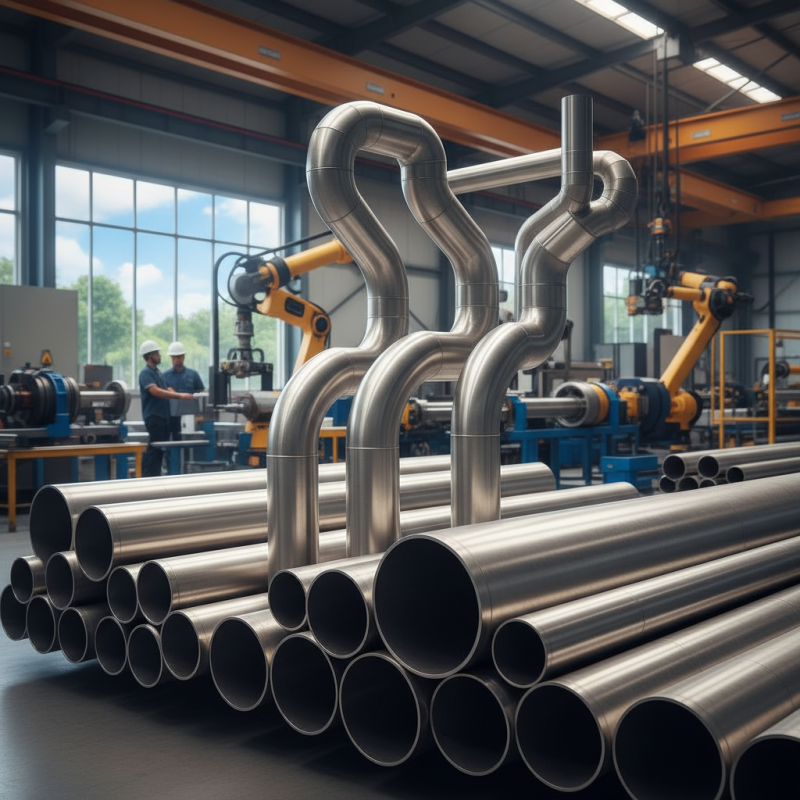
Top 10 Benefits of Using 304L Pipe for Global Suppliers?

Overview of 304L Pipe and Its Specifications

304L pipe is widely recognized for its excellent corrosion resistance and suitability for various industrial applications. It is a low-carbon variant of 304 steel, which makes it ideal for environments prone to stress corrosion cracking. Typically composed of approximately 18% chromium and 8% nickel, this grade offers impressive mechanical properties. According to a report by the International Stainless Steel Forum, 304L has a yield strength of around 215 MPa, making it suitable for high-pressure applications.

The thickness of 304L pipes ranges significantly, providing flexibility for manufacturing needs. Standard lengths can go up to 6 meters, accommodating different project requirements. One significant disadvantage is that its lower carbon content can affect its welding characteristics. Therefore, specialized techniques may be necessary to ensure strong joints. In terms of specifications, 304L pipes typically have a diameter ranging from 15 mm to 600 mm. Employing such pipes in construction and chemical industries provides durability and compliance with global standards.

Despite its advantages, market dynamics can affect the cost of 304L pipes. Fluctuating nickel prices can lead to varying prices for suppliers. Industry analysts suggest that being aware of market trends is crucial for strategic purchasing decisions. Understanding these nuances helps buyers navigate the complexities of sourcing 304L pipes effectively.

Corrosion Resistance and Durability of 304L Pipe

304L stainless steel pipe is a remarkable choice in industries where corrosion resistance is vital. This alloy contains low carbon content, which enhances its ability to resist oxidation. The result is a durable structure that prolongs the pipe's lifespan. For industries like oil and gas or chemical manufacturing, this trait is invaluable. Components often face harsh environments, and 304L pipes stand firm amidst these challenges.

The durability of 304L pipes also stems from their toughness. These pipes can endure significant stress without succumbing to fracture. Furthermore, they maintain structural integrity in high-temperature applications. However, some might overlook potential surface imperfections. Regular inspections are essential to ensure optimal performance. Emphasizing maintenance can sometimes be underestimated but is crucial for long-term reliability. By addressing these concerns, users can maximize the advantages of 304L piping systems.

Top 10 Benefits of Using 304L Pipe for Global Suppliers

Benefit Description Application Areas
Corrosion Resistance 304L Pipe offers excellent resistance to corrosion in various environments, making it suitable for diverse applications. Chemical processing, Oil and gas, Marine applications
Durability This pipe is known for its high durability, making it ideal for long-term use in critical applications. Construction, Automotive, Manufacturing
High Weldability 304L Pipe can be easily welded without compromising its corrosion resistance, ensuring strong joints. Piping systems, Structural applications
Temperature Resistance It can withstand high temperatures, providing stability in extreme conditions. Heat exchangers, Boilers, Power plants
Versatility Suitable for a wide range of industries due to its universal properties and adaptability. Food processing, Chemical manufacturing, Pharmaceuticals
Low Maintenance Easy to maintain and clean, reducing operational costs over time. Food and beverage, Water treatment
Aesthetic Appeal The bright finish of 304L Pipe provides an attractive appearance for various applications. Architectural features, Decorative fixtures
Cost-Effective Relatively affordable compared to other materials with similar properties. General construction, Infrastructure projects
Recyclability 304L Pipe is 100% recyclable, promoting sustainability in construction and manufacturing. Green building projects, Waste management
Impact Resistance Strong enough to withstand impacts, making it reliable in challenging applications. Mining, Heavy industrial processes

Cost-Effectiveness of Using 304L Pipe in Projects

The cost-effectiveness of using 304L pipe is evident in various projects across industries. This type of stainless steel pipe offers a balance between quality and affordability. Its resistance to corrosion helps reduce maintenance costs over time, which can significantly improve budget management. Projects that utilize 304L pipes often experience fewer failures or replacements, thus maximizing the return on investment.

While the material might be more expensive upfront than carbon steel, the long-term savings can outweigh initial costs. Additionally, 304L pipe’s versatility allows its application in numerous environments. For instance, it performs well in both high and low temperatures, making it suitable for diverse projects, including food processing and chemical handling.

However, it’s crucial to conduct thorough assessments when selecting materials. Some projects may find alternative materials more appropriate or cost-effective. Evaluating specific project requirements and potential long-term implications is essential. Understanding the true cost-effectiveness of 304L pipes involves more than just upfront pricing; it requires a holistic view of life-cycle costs and performance.

Top 10 Benefits of Using 304L Pipe for Global Suppliers

Versatility in Applications of 304L Pipe Across Industries

304L pipe is renowned for its versatility across various industries. Its low carbon content enhances its resistance to corrosion, particularly in welding applications. This makes it a preferred choice for projects in chemical processing and oil and gas sectors. The ability of 304L to withstand harsh environments contributes to its widespread use in manufacturing.

The applications are vast. In the food and beverage industry, 304L pipe is often used for sanitary applications due to its non-reactive nature. It ensures that products remain uncontaminated. Additionally, the construction sector leverages 304L for its structural integrity, providing durability under pressure. However, industries must conduct regular inspections to ensure longevity and performance.

Some users find 304L pipe economically efficient. Yet, the initial investment can be higher than other materials. Understanding these costs is essential for appropriate budgeting. It is crucial to weigh the long-term benefits against upfront expenses. By recognizing these factors, suppliers can better serve their clients while optimizing their selections.

Sustainability and Environmental Impact of 304L Pipe Usage

The usage of 304L stainless steel pipes has notable sustainability benefits. One primary advantage is their corrosion resistance, which extends the lifespan of piping systems. According to a report by the International Stainless Steel Forum, 304L pipes can last over 50 years in harsh environments, reducing the need for replacements.

Also, the recycling potential of stainless steel significantly minimizes environmental impact. The Steel Recycling Institute asserts that 90% of stainless steel can be recycled. This not only reduces waste but also conserves resources and energy. The production of recycled stainless steel consumes up to 75% less energy compared to new materials.

**Tip:** Invest in 304L stainless steel for projects aiming to lower carbon footprints. Optimal life cycle assessment of materials is crucial for eco-friendly manufacturing.

Even with these positives, the energy-intensive processes in stainless steel production must be scrutinized. The initial extraction and processing of raw materials can contribute to environmental degradation. Thus, focusing on sustainable practices is essential to balance benefits against environmental costs.

**Tip:** Assess the full life cycle impact of your materials. Seek suppliers who prioritize sustainable sourcing and processing. Encouraging transparency in the supply chain can drive industry improvements.

FAQS

: What is 304L stainless steel pipe known for?

: It is highly regarded for its corrosion resistance and durability.

Why is low carbon content important in 304L pipes?

Low carbon content enhances oxidation resistance and overall durability.

How do 304L pipes perform in harsh environments?

They maintain structural integrity and resist stress in demanding conditions.

Are regular inspections necessary for 304L pipes?

Yes, to address potential surface imperfections and ensure optimal performance.

What impact does the usage of 304L pipes have on sustainability?

Their long lifespan and recycling potential significantly reduce environmental impact.

Can 304L pipes be used in the food and beverage industry?

Yes, they are ideal for sanitary applications due to their non-reactive nature.

Are there cost considerations when using 304L pipes?

Yes, the initial investment may be higher compared to other materials.

What are the recycling benefits of stainless steel?

Up to 90% can be recycled, which conserves resources and reduces waste.

Does stainless steel production have environmental drawbacks?

Yes, the energy-intensive processes can contribute to environmental degradation.

How can industries improve their sourcing of 304L pipes?

By choosing suppliers that prioritize sustainable practices and transparency.

Conclusion

The article explores the top benefits of using 304L pipe, highlighting its key specifications and features. Renowned for its exceptional corrosion resistance and durability, 304L pipe is designed to withstand harsh environments, making it a reliable choice for various industrial applications. Additionally, the cost-effectiveness of 304L pipe adds to its appeal, as it offers great value without sacrificing quality.

Furthermore, 304L pipe showcases versatility across multiple industries, from construction to chemical processing, demonstrating its adaptability to diverse project requirements. The article also emphasizes the sustainability and environmental impact of 304L pipe, underscoring its contribution to eco-friendly practices. Overall, the advantages of incorporating 304L pipe into projects are clear, affirming its position as a preferred material for global suppliers.


Sienna

Sienna

Sienna is a skilled marketing professional with a deep expertise in our company’s core products and services. With a passion for innovation and detail, she plays a pivotal role in crafting insightful blog posts that not only highlight the unique features of our offerings but also provide valuable......