In the world of construction and manufacturing, the choice of materials significantly impacts project outcomes. The 304 Steel Sheet has emerged as a popular choice due to its unique properties. According to the Steel Manufacturers Association, stainless steel, including 304 grade, constitutes nearly 70% of specialty steel usage in several industries. Its corrosion resistance, durability, and aesthetic appeal make it particularly desirable.
Experts highlight that the 304 Steel Sheet is incredibly versatile. It is commonly used in appliances, food processing, and architectural applications. This adaptability can enhance efficiency and reduce costs. However, not every project will benefit from its use. Understanding when and where to utilize 304 Steel Sheet is critical for optimal results.
While the advantages are clear, it's essential to consider the context. Not all projects may justify the investment in 304 Steel Sheet. Careful analysis and planning are crucial. Identifying the specific needs of your project ensures you harness the full potential of this material effectively.
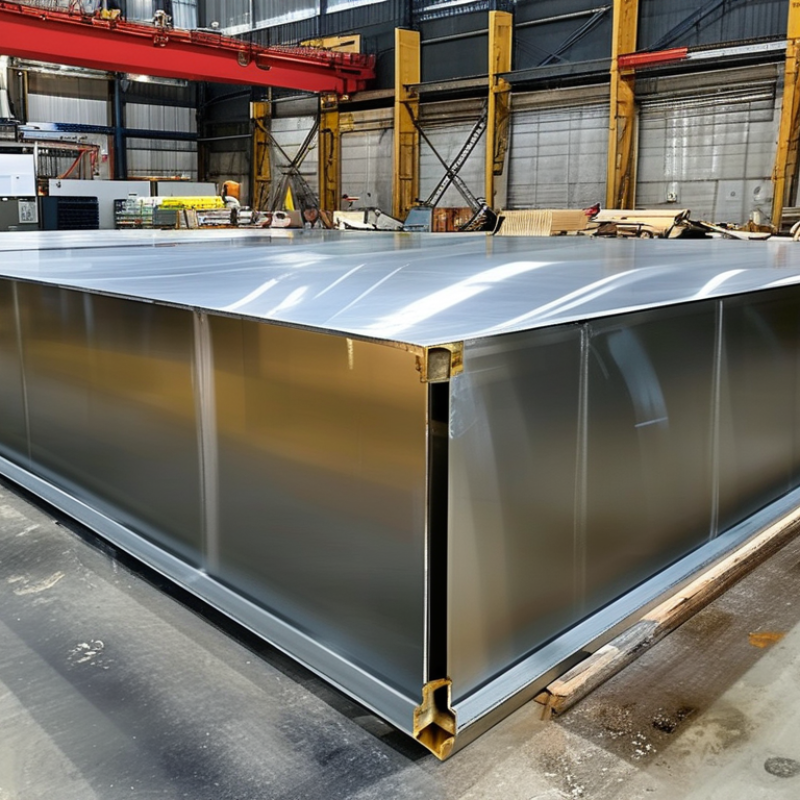
Understanding 304 Steel: Composition and Properties
304 stainless steel is a commonly used alloy known for its excellent properties. It consists of about 18% chromium and 8% nickel. This unique composition offers remarkable corrosion resistance and good weldability. The mechanical strength of 304 steel is impressive, boasting a yield strength of about 215 MPa. This makes it ideal for various projects.
The advantages don't stop at strength and corrosion resistance. According to industry reports, 304 steel can withstand temperatures up to 870°C. Its formability is another critical factor, allowing for various shapes and applications. Many industries, such as construction and food processing, rely on 304 stainless steel for its durability and non-reactive qualities. However, it’s worth noting that while 304 steel is resistant to rust, it can still corrode under certain harsh conditions.
Despite its many benefits, 304 stainless steel has limitations. For instance, its clarity in certain environments, such as marine applications, is often questioned. Certain chloride solutions can prompt pitting corrosion, which necessitates careful consideration when selecting materials. While 304 steel is versatile, it’s crucial to assess the specific needs of a project to avoid potential pitfalls. Practical choices should be made based on environmental exposure and application requirements.
Corrosion Resistance: A Key Advantage of 304 Steel Sheet
304 stainless steel sheet is widely recognized for its superior corrosion resistance. This characteristic stems from its high nickel and chromium content, which forms a passive layer of oxide on the surface. According to a report from the International Stainless Steel Forum, 304 stainless steel exhibits a corrosion rate of only 0.1 mm/year in many environments. This makes it suitable for various applications, including marine and industrial settings where exposure to moisture and chemicals is frequent.
In practical terms, projects using 304 steel sheet often see a significant reduction in maintenance costs. A study conducted by the American Society of Civil Engineers highlights that the lifecycle costs of materials with high corrosion resistance can be lower by up to 30%. However, it's crucial to consider specific environmental factors, as certain aggressive chemicals can compromise this resistance. While 304 stainless steel performs well in many scenarios, it may not be ideal in extreme conditions, such as those found in chloride-rich environments. This aspect underscores the necessity for thorough project evaluation prior to material selection.
Durability and Longevity of 304 Steel in Various Environments
304 stainless steel is well-known for its durability and longevity. It withstands various environments with grace. This versatile material resists corrosion, making it ideal for harsh conditions. Whether exposed to moisture or chemicals, 304 steel shows remarkable resilience. Projects in coastal areas or industrial settings benefit significantly from its properties.
In addition to corrosion resistance, 304 steel maintains its structure under heat. High temperatures typically do not affect its performance. This quality is beneficial for applications ranging from kitchen equipment to outdoor constructions. However, while it is durable, it is not entirely impervious. Certain aggressive chemicals can still impact its integrity. Regular maintenance is essential.
Environmental variations pose unique challenges. In humid climates, oxidation can occur over time. Proper surface treatment is crucial in such cases. Careful planning helps enhance the longevity of 304 steel projects. Opting for this material does not eliminate risks but minimizes them. Engaging with industry experts can provide insights into best practices. An informed approach leads to better results in the long run.
Top 10 Benefits of Using 304 Steel Sheet for Your Projects
| Benefit |
Description |
Environmental Resistance |
Longevity (Years) |
| Corrosion Resistance |
Excellent resistance to oxidation and corrosion, making it ideal for outdoor and marine environments. |
Highly resistant to climate variability and saltwater. |
15-20 |
| Durability |
Strong and tough material that can withstand heavy loads and impacts. |
Resistant to physical wear in aggressive environments. |
20+ |
| Ease of Fabrication |
Easily cut, welded, and formed into various shapes and designs. |
Suitable for various fabrication processes. |
Varies by application |
| Hygienic Properties |
Non-porous surface that is easy to clean and ideal for food and medical applications. |
Resistant to bacterial growth. |
15-20 |
| Aesthetic Appeal |
Naturally shiny finish that enhances the appearance of products. |
Maintains appearance in various environments. |
15+ |
| Recyclability |
Completely recyclable without a loss of quality, promoting sustainability. |
Environmentally friendly disposal options available. |
N/A |
| Temperature Resilience |
Maintains structural integrity at both high and low temperatures. |
Effective in extreme temperature environments. |
20+ |
| Cost-Effectiveness |
Balances initial cost with longevity and low maintenance needs. |
Overall lower costs due to durability. |
15-20 |
| Versatility |
Suitable for a wide range of applications across different industries. |
Adaptable to multiple environments. |
Varies by application |
Versatility in Applications: Where 304 Steel Steel Sheet Excels
304 stainless steel sheet is renowned for its versatility in a multitude of applications. Its resistance to corrosion and excellent fabrication qualities make it ideal for various environments. According to a recent industry report from the Stainless Steel Council, 304 steel is used in approximately 70% of stainless steel applications. This statistic underscores its significance in sectors such as construction, automotive, and food processing.
In the kitchen, 304 steel is preferred for appliances and countertops due to its hygienic properties. Laboratories also utilize 304 steel for countertops and sinks, benefiting from its resistance to chemicals and easy cleaning. The architecture industry employs 304 sheets for facades, adding both aesthetic appeal and durability. However, it’s essential to consider that while 304 stainless steel offers many advantages, it may not be ideal for high-temperature applications, where 316 stainless steel may outperform it.
**Tip:** Always assess the specific environmental conditions of your project. This ensures you're choosing the right material.
Additionally, using 304 steel sheets requires attention to welding techniques. Improper welds can compromise integrity. Understanding the welding process can enhance durability significantly. When specifications allow, consider combining 304 with other materials for unique results. Exploring these combinations can yield innovative solutions in design and construction.
Top 10 Benefits of Using 304 Steel Sheet for Your Projects
Cost-Effectiveness and Availability of 304 Steel Sheets
When it comes to selecting materials for construction or manufacturing, the cost-effectiveness and availability of 304 steel sheets stand out. This stainless steel is renowned for its balance between performance and price. Many industries utilize it due to its affordability. Most suppliers keep 304 steel sheets in stock, ensuring quick access when you need them. This availability can streamline project timelines and cut down on delays.
The production process of 304 steel sheets is efficient, resulting in lower prices. Businesses benefit from reduced material costs, allowing them to allocate funds elsewhere. However, it’s essential to weigh suppliers carefully; not all offer the same levels of quality assurance. While 304 steel is widely trusted, occasionally, the quality may vary. It’s wise to conduct thorough assessments before making purchases. Therefore, understanding the nuances of both cost and quality is crucial in leveraging 304 steel sheets for various projects.
Conclusion
304 Steel Sheets are highly regarded in various industries due to their impressive composition and properties. Known for their excellent corrosion resistance, these sheets provide a reliable solution for projects exposed to challenging environments. Additionally, the durability and longevity of 304 Steel Sheets ensure that they withstand wear and tear over time, making them a practical choice for both indoor and outdoor applications.
The versatility of 304 Steel Sheets further enhances their appeal, as they can be utilized in a wide range of applications, from construction to manufacturing. Their cost-effectiveness and widespread availability also contribute to their popularity among stakeholders, allowing for efficient project planning and execution. Ultimately, the combination of these attributes makes 304 Steel Sheets a preferred option for numerous projects, underscoring their importance in modern construction and fabrication.

 Oes Steel