In the competitive world of global sourcing, understanding the nuances of purchasing a 5mm Stainless Tube is crucial. Industry expert Dr. Emily Chen, a leading metallurgist, states, “Choosing the right material and specifications can make or break your project.” This underscores the importance of meticulous selection in the sourcing process.
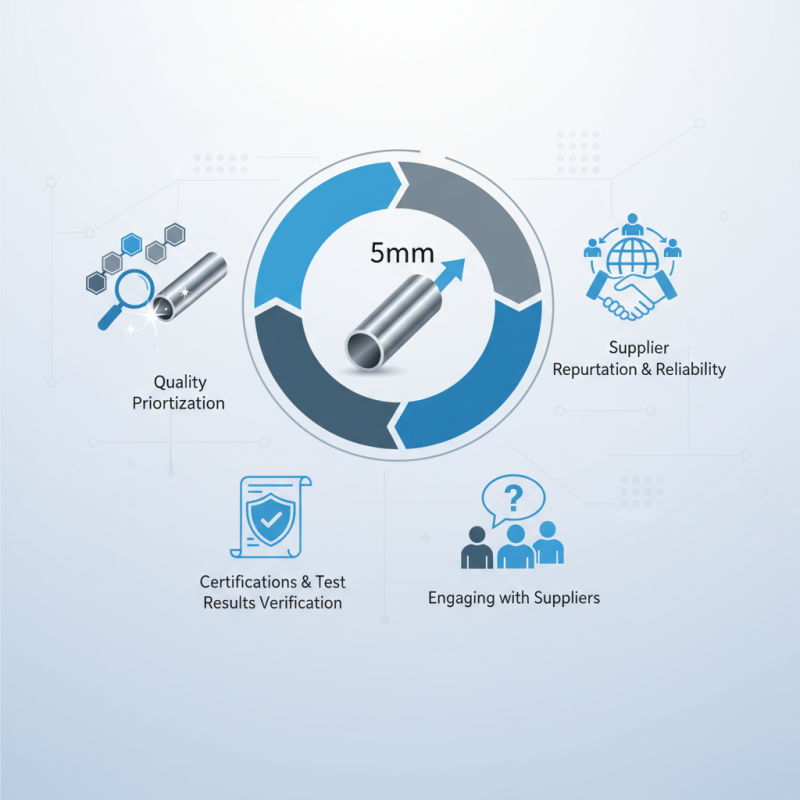
When buying a 5mm Stainless Tube, the quality of the stainless steel must be prioritized. Not all suppliers deliver the same standards. The grade of stainless steel affects durability and application. It’s vital to verify certifications and test results from your supplier.
Moreover, consider the supplier's reputation and reliability. In many instances, talking to past clients can provide insights about service quality. Engaging with suppliers offers a glimpse into their expertise and reliability. Be cautious, as some suppliers may present misleading information. Misinformed decisions could lead to project delays or increased costs.
Selecting the right material for 5mm stainless tubes is crucial for various applications. Stainless steel is favored for its durability and resistance to corrosion. According to the Global Stainless Steel Market Report 2022, the demand for stainless steel is forecasted to grow by 5% annually. This growth is driven by its use in sectors like construction, automotive, and consumer goods.
When considering materials, the type of stainless steel is important. Common grades include 304 and 316. Grade 304 is suitable for general applications due to its affordability and decent corrosion resistance. However, for environments exposed to harsher conditions, grade 316, which contains molybdenum, offers superior corrosion resistance. Some industry experts suggest using 316 for marine applications, where saltwater can cause significant corrosion in lower-grade materials.
Additionally, thickness and surface finish also impact the tubes' performance. A polished surface can enhance corrosion resistance but may also increase costs. Buyers should be mindful of the trade-offs between quality and price. Balancing these factors could lead to better sourcing decisions, yet it often requires careful consideration of the project's specific needs.
When sourcing 5mm stainless steel tubing, understanding the different grades of stainless steel is essential. Stainless steel is categorized into alloying systems, primarily austenitic, ferritic, and martensitic. Each type has unique properties that affect strength, corrosion resistance, and usability. For instance, austenitic stainless steels, such as 304 and 316, make up approximately 70% of stainless steel production worldwide due to their excellent corrosion resistance and formability. Industry reports highlight that 316-grade tubing is ideal for marine and chemical applications, being nearly twice as resistant to chloride corrosion compared to 304.
Quality matters significantly in stainless steel tubing. The American Society for Testing and Materials (ASTM) sets rigorous standards that govern material selection. Sourcing from suppliers who adhere to these standards ensures reliability. The tensile strength of a typical 304 stainless tube can reach up to 750 MPa, making it suitable for various structural applications. However, not all suppliers provide comprehensive material certifications. This gap can lead to complications, especially when tubing is subjected to extreme conditions.
Additionally, it's crucial to consider the manufacturing process. Tubes made via seamless methods generally exhibit higher integrity than welded counterparts. Seamless tubing can withstand higher pressures and stresses. Reports indicate that up to 20% of welded stainless tubes may fail under extreme conditions due to manufacturing defects. As sourcing continues to grow globally, being equipped with knowledge on steel grades and sourcing standards can greatly enhance the success rate of procurement efforts.
| Grade | Corrosion Resistance | Strength (MPa) | Weldability | Common Applications |
|---|---|---|---|---|
| 304 | Good | 210 | Excellent | Food processing, Chemical containers |
| 316 | Excellent | 230 | Good | Marine environments, Pharmaceuticals |
| 430 | Fair | 210 | Moderate | Automotive trim, Kitchen utensils |
| Stainless Steel Duplex | Very Good | 450 | Good | Oil and gas, Chemical processing |
| Austenitic 904L | Excellent | 220 | Excellent | Acidic environments, Pulp and paper industry |
When sourcing 5mm stainless tubes globally, evaluating supplier credentials is crucial. Look for suppliers with a proven track record in the industry. Verify their experience and any certifications they hold. Suppliers should have a strong understanding of material grades and compliance standards. This knowledge reflects their reliability and expertise.
Consider asking for references. A reliable supplier should be willing to provide you with contacts of previous clients. This step can reveal insights into their reliability and customer service. It allows you to gauge their performance in real scenarios.
Tip: Evaluate their response times. Delays in communication can indicate a lack of efficiency. Additionally, look for transparency in pricing and terms. Clear details point to a trustworthy supplier.
Lastly, while many suppliers present themselves as experts, not all may deliver. Be cautious about overly glossy presentations. Analyze their actual capabilities through samples and trial orders. This practice may uncover weaknesses not immediately evident.
When purchasing stainless tubes, cost factors play a pivotal role. The price can vary significantly based on material quality, manufacturing techniques, and order volumes. Understanding these aspects is essential for maintaining a budget while ensuring product integrity. For instance, opting for higher-grade stainless steel may raise costs but can enhance durability and corrosion resistance.
It's wise to gather multiple quotes from suppliers. This not only offers insights into market pricing but also helps identify potential hidden costs. Shipping fees, customs duties, and taxes can quickly inflate the total expense. Analyzing these costs can lead to better sourcing decisions.
Tip: Always confirm the supplier's certifications. This establishes trust in their quality assurance processes. Product specifications should align with industry standards to prevent future complications. Consider the implications of choosing lower-priced options. They may compromise quality or performance, leading to price increases in the long run.
Logistics and shipping are critical when sourcing 5mm stainless tubes. Understanding the complexities can save time and money. First, consider packaging. Proper packaging protects the tubes from damage during transit. This is essential for maintaining quality and meeting specifications.
Transport modes are varied. Air freight is fast but costly. Sea freight is economical but slower. Choose based on urgency and budget. Be aware of customs regulations in your destination country. Delays at customs can severely impact your delivery timeline.
Communication with suppliers is vital. Regular updates on shipment status can help alleviate uncertainties. Planning ahead is key. Anticipate potential delays and build some buffer time into your schedule. Reflect on past shipments. What went wrong? Evaluate how to avoid similar issues in the future. Effective logistics planning can enhance the overall sourcing experience.
This chart represents the average shipping costs and delivery times for 5mm stainless tubes sourced from various regions. It highlights the logistics considerations that impact the overall sourcing success.
: Stainless steel is commonly used for its durability and corrosion resistance.
Grades 304 and 316 are popular. Grade 304 is general-use, while grade 316 suits harsh environments.
Grade 316 has better corrosion resistance due to its molybdenum content, ideal for saltwater exposure.
A polished surface enhances corrosion resistance but may increase costs. Consider your budget and requirements.
Proper packaging is crucial to prevent damage during transport. It helps maintain quality and specifications.
Air freight is fast but expensive, while sea freight is cheaper but slower. Choose based on urgency.
Customs regulations can cause delays. Being aware of these can aid in planning more effectively.
Regular updates on shipment status reduce uncertainties and foster trust. Clear communication is essential.
Reflect on what went wrong in previous shipments. Analyze issues to improve future logistics and avoid pitfalls.
Anticipate potential setbacks and include buffer time in your schedule. Planning will lead to a smoother process.
When sourcing 5mm stainless tubes, it's essential to consider various factors to ensure success. First, selecting the right material is crucial; different grades of stainless steel tubing offer unique benefits that may influence your project's durability and cost. Understanding these grades helps in making an informed decision based on the application requirements.
Additionally, evaluating supplier credentials plays a significant role in global sourcing. Ensuring your supplier has a good track record and proper certifications can mitigate risks. Cost factors are another important consideration, as prices can vary significantly based on material quality and supplier location. Finally, proper logistics and shipping arrangements must be in place to ensure timely delivery of your 5mm stainless tube orders, reducing delays and potential extra costs. By taking these aspects into account, you can enhance your sourcing strategy and achieve better outcomes.

Oes Steel