What Is 304 SS Round Bar Used For?

Time:2026-09-28 Author:Madeline
0%

A 304 Ss Round Bar is a familiar sight in machine shops: a bright, solid length of stainless steel cut to size for shafts, pins, fasteners, and structural supports. Its appeal comes from a useful balance of corrosion resistance, formability, and weldability. In everyday settings, it can suit equipment frames, food-processing components, and architectural details exposed to moisture. It is not immune to corrosion, though. Salt, harsh chemicals, poor maintenance, or unsuitable fabrication can change how it performs.

Choosing the bar involves more than recognizing the grade. Diameter, finish, tolerance, machining needs, and operating environment all matter. A round bar used for a precision shaft may need tighter dimensional control than one serving as a general support. The surface also tells a story: scratches, discoloration, or rough cut ends may signal handling or finishing issues worth checking. Small details matter.

An expert quotation should add useful, verifiable context—not merely sound authoritative. No source or expert name was provided for this request, so I will not invent a quotation or attribute words to a real person. A practical expert takeaway is: “Match the stainless grade and bar specification to the actual service conditions.” Treat that as original editorial wording, not a sourced quotation. Even grade 304 may be the wrong choice in a demanding environment; a careful review of exposure, fabrication, and maintenance can prevent an expensive mismatch.
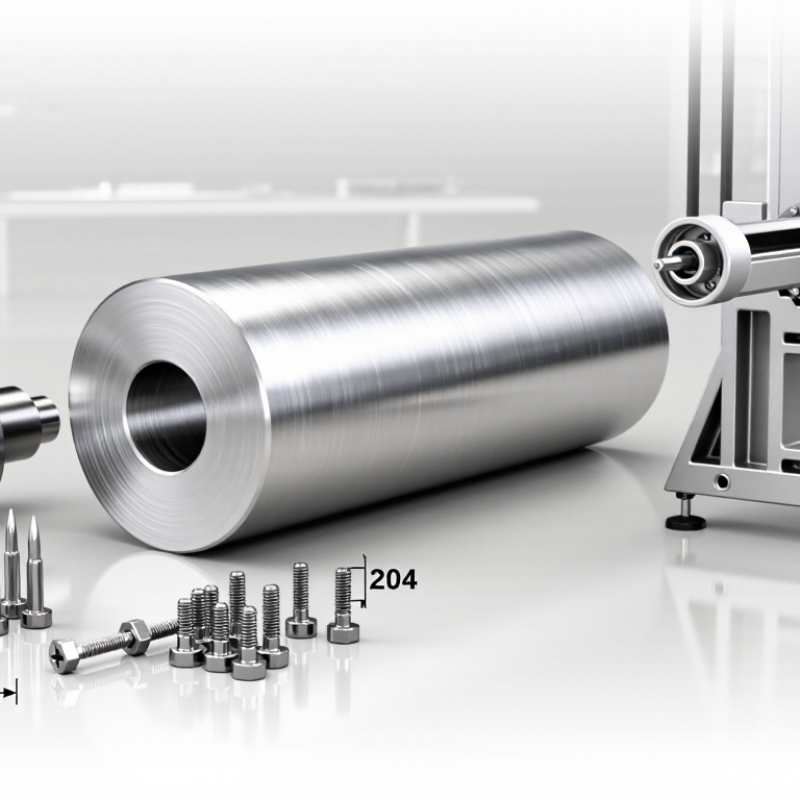
What Is 304 SS Round Bar Used For?

What Defines 304 SS Round Bar? 18–20% Chromium and 8–10.5% Nickel

304 SS round bar is a solid, cylindrical stainless-steel product, but its chemistry is what defines the grade. It typically contains 18–20% chromium and 8–10.5% nickel, with exact limits depending on the applicable material specification. Chromium helps form a thin passive surface layer when exposed to oxygen. That layer slows corrosion in many everyday environments.

Nickel helps stabilize the steel’s austenitic structure and supports ductility, toughness, and forming. In practical terms, a machined bar can be turned into shafts, pins, fasteners, valve parts, or food-processing equipment components. The alloy is often selected for parts exposed to moisture, mild cleaning agents, or indoor service. It is not immune to corrosion. Salt deposits, stagnant water, and harsh chemicals can still cause staining or pitting.

Look beyond the grade name when choosing stock. Check the material certificate for chemistry and confirm the required standard, dimensions, and condition. For a machined component, the bar’s surface and dimensional tolerances also matter. That distinction is easy to miss. A 304 bar may suit a general-purpose component, yet perform poorly in a chloride-rich setting; the service environment should guide the choice.

What ASTM A276 Strength Limits Apply? 515 MPa Tensile and 205 MPa Yield

304 stainless-steel round bar is commonly machined into pump shafts, valve stems, fasteners, and equipment supports. Its chromium-nickel composition offers general corrosion resistance and good formability. In practice, a machinist may cut a 25 mm bar into short shaft blanks, then turn bearing seats and keyways. It is useful material, but not a universal one; warm chloride exposure can still cause pitting.

ASTM A276/A276M specifies minimum mechanical properties for stainless-steel bars. For Type 304 in the specified condition, the commonly cited minima are 515 MPa tensile strength and 205 MPa yield strength. These are minimum test values, not design allowables or guaranteed working loads. The standard’s mechanical-property table also gives a minimum elongation of 40% for 304, subject to its stated test requirements. That detail is easy to overlook. (Source: ASTM A276/A276M, mechanical-property requirements.)

A bar’s actual performance depends on condition, dimensions, processing, and testing. A mill test report should identify the grade and heat, and provide relevant test results; verify the purchase specification and applicable standard edition. Nickel Institute technical guidance describes 304 as a general-purpose austenitic stainless steel, but service conditions still matter. A bar exposed to salt spray or stagnant chlorides may need a different alloy. The number alone is not enough.

Why 304 Round Bar Is Used in Food and Beverage Equipment

304 stainless-steel round bar is machined into mixer shafts, valve stems, pump parts, and fittings used in food and beverage lines. Its smooth, solid form suits components that face repeated washing and contact with moist ingredients. ASTM A276/A276M specifies 304 with 18–20% chromium and 8–10.5% nickel. This composition helps resist ordinary atmospheric corrosion and many food-processing environments. That matters daily.

Hygienic design is just as important as alloy choice. EHEDG guidance uses a surface roughness of Ra 0.8 μm as a common benchmark for product-contact surfaces, helping reduce places where residue can remain. A properly machined and polished round bar can support cleanable equipment, but geometry and finishing still matter. A rough thread or tight crevice can undermine that advantage. 304 is not immune to corrosion: salty brines and chloride cleaners may cause pitting, especially when residues remain on the surface. Not every application fits. For high-chloride service, engineers should assess exposure, cleaning methods, and the required finish before selecting the bar.

What Is 304 SS Round Bar Used For? - Why 304 Round Bar Is Used in Food and Beverage Equipment

Application Typical Round-Bar Component Why 304 Stainless Steel Is Used Practical Considerations
Food-processing machinery Shafts, pins, rollers, and machine supports Offers useful corrosion resistance in many indoor processing environments and can be machined into a range of components. Specify suitable surface finish and cleanable geometry for the equipment’s hygiene requirements.
Mixing and blending equipment Agitator shafts and associated fittings Its chromium-nickel composition supports corrosion resistance, while the bar form is suitable for machining and fabrication. Check torque, deflection, weld details, and exposure to cleaning chemicals when sizing the shaft.
Beverage-processing lines Brackets, supports, guide pins, and equipment hardware 304 is commonly selected for general-purpose equipment exposed to water and many mild food-processing conditions. Assess exposure to chlorides, acidic products, and washdown chemicals; harsher conditions may require another alloy.
Filling and packaging equipment Guide rods, locating pins, and adjustable machine parts The material is widely available and can be turned, drilled, or cut to produce varied component shapes. Account for work hardening during machining and avoid crevices that can trap product or residue.
Tanks and process-vessel accessories Hinges, handles, brackets, and mounting studs Provides a practical balance of corrosion resistance, formability, and general-purpose strength for many accessory parts. For welded assemblies, suitable fabrication procedures and post-weld cleaning help maintain corrosion resistance.
Food-contact equipment components Product-contact shafts, fittings, and custom-machined parts 304 is a common stainless steel choice for food equipment because it resists rusting in many ordinary service environments. Food-contact suitability depends on the application, surface condition, fabrication, cleaning regime, and applicable regulations.

Note: 304 stainless steel is not immune to corrosion. Prolonged exposure to high chloride concentrations, salt, or certain cleaning chemicals can cause pitting or crevice corrosion; confirm material suitability for the specific service conditions.

Where 304 Bar Serves in Architecture, Fasteners, and Machinery

In architecture, 304 stainless steel round bar is commonly machined into handrail supports, balusters, door hardware, and visible trim. Its chromium-rich surface resists everyday moisture and staining, while its clean finish suits exposed interiors and sheltered outdoor areas. The World Stainless Association reported 58.4 million tonnes of global stainless steel production in 2023, showing the material’s broad industrial use. That figure covers many grades, not 304 alone.

Fastener makers use 304 bar to produce threaded studs, pins, bolts, and custom anchors. Its corrosion resistance can help when fittings face rain, cleaning water, or humid air. But it is not a universal coastal choice. Chloride exposure can cause pitting, so the site conditions and maintenance plan matter. Check the application, not just the grade label.

Machinery workshops turn 304 round bar into shafts, spacers, rollers, and machine components that need a smooth, corrosion-resistant surface. Under ASTM A276/A276M, stainless bars are specified by grade and product requirements; buyers should verify the mill certificate and dimensions before machining. 304 is not especially hard, and machining can work-harden its surface. That detail is easy to overlook. For heavy wear or high-strength duties, engineers may need another grade or a separate surface-treatment strategy.

When to Choose 316: Its 2–3% Molybdenum for Chloride Exposure

304 stainless steel round bar is commonly machined into shafts, pins, fittings, fasteners, and food-processing components. Its chromium-nickel composition offers useful corrosion resistance in many indoor and mildly wet environments. It is also widely available and relatively straightforward to machine and weld. A good general-purpose choice.

Chlorides change the decision. Salt spray, coastal air, de-icing salts, and chloride-bearing wash water can trigger pitting or crevice corrosion in 304, especially beneath deposits or inside tight joints. For these conditions, 316 is often worth considering. It contains about 2–3% molybdenum, which improves resistance to chloride-related pitting compared with 304. That helps, but it is not a guarantee. Warm, concentrated brine or stagnant liquid can still damage 316. For example, a round bar near a seawater splash zone may need closer material review than one exposed to occasional clean water. Check the chloride level, temperature, surface finish, and whether the part can drain and be cleaned. One detail is easy to overlook: choosing 316 does not fix a crevice-prone design. The service conditions matter.

What Is 304 Stainless Steel Round Bar Used For? When to Choose 316

304 round bar is widely used for general-purpose components and many indoor or mild environments. 316 contains about 2–3% molybdenum, which improves resistance to pitting and crevice corrosion in chloride exposure, such as coastal or marine settings. Actual performance depends on conditions and fabrication; 316 is more resistant, but not immune to corrosion.

FAQS

What minimum strength values apply to 304 stainless-steel round bar?

The cited bar requirements specify minimum tensile strength of 515 MPa and minimum yield strength of 205 MPa. These are test values, not safe working-load limits.

What does the elongation requirement mean for 304 bar?

The stated minimum elongation is 40%, subject to the specified test method. It indicates how much a test sample can stretch before breaking. Easy to miss.

Where is 304 round bar commonly used?

It is often machined into pump shafts, valve stems, spacers, handrail supports, and fasteners. A 25 mm bar, for example, can be turned into short shaft blanks.

Is 304 suitable for coastal or salt-exposed locations?

Not always. Salt spray and stagnant chlorides can cause pitting, especially beneath deposits or inside tight joints. Check the exposure before choosing the grade.

When might 316 be a better choice than 304?

316 contains about 2–3% molybdenum, which improves resistance to chloride-related pitting. It may suit parts exposed to coastal air or chloride-bearing wash water.

Does 316 prevent all chloride corrosion?

No. Warm, concentrated brine or stagnant liquid can still damage it. A seawater splash zone deserves careful review.

What should buyers check before machining a bar?

Check the grade, heat identification, dimensions, and test results on the mill report. Confirm the purchase requirements and applicable standard edition.

Does 304 stay easy to machine during cutting?

It can work-harden at the surface during machining, and it is not especially hard. For heavy wear, another grade or a surface treatment may be needed. I might be oversimplifying; actual service conditions matter.

Conclusion

304 Ss Round Bar is an austenitic stainless steel product valued for its balance of corrosion resistance, formability, and strength. It typically contains 18–20% chromium and 8–10.5% nickel, helping it withstand many everyday corrosive conditions while remaining easy to machine and fabricate. Under ASTM A276, its commonly specified minimum tensile strength is 515 MPa, with a minimum yield strength of 205 MPa, although properties can vary with condition and processing.

These qualities make 304 round bar useful for food and beverage equipment, including frames, shafts, and fittings, as well as architectural components, fasteners, and general machinery parts. It suits many indoor and mild outdoor applications where cleanliness and durability matter. For equipment exposed to seawater, de-icing salts, or other chloride-rich environments, 316 stainless steel may be a better choice: its 2–3% molybdenum improves resistance to chloride-related pitting and crevice corrosion.


Madeline

Madeline

Madeline is a dedicated marketing professional with a wealth of expertise in our company's core offerings. With a keen understanding of the industry, she brings a unique perspective to her role, consistently delivering high-quality content that highlights the superior aspects of our products. As......